
Species Guide
Wild Alaska Cod & Sablefish Guide
Wild cod and sablefish — the two whitefish that round out a complete Alaskan seafood pantry.
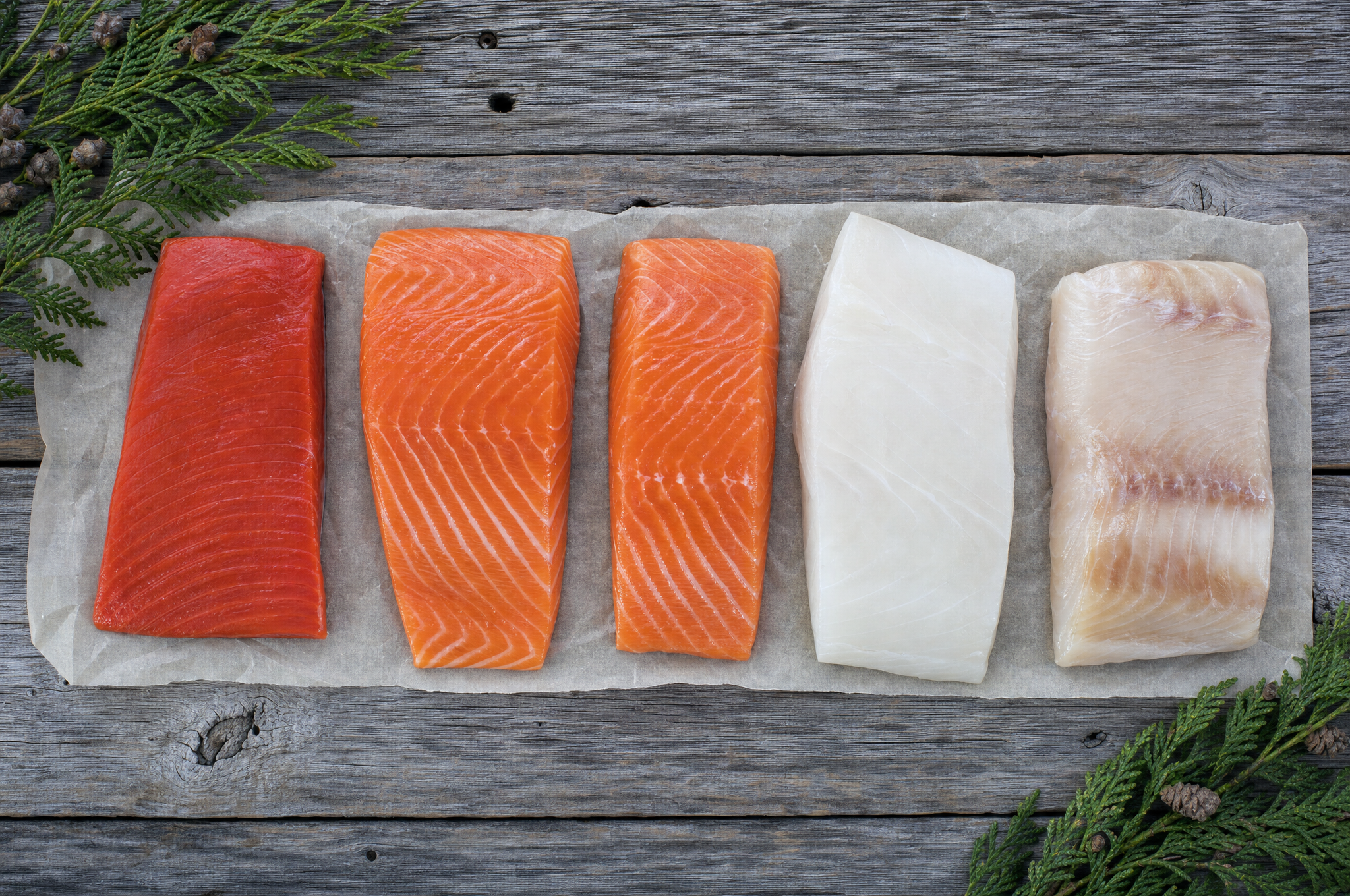
Key Takeaways
- Sablefish (black cod) delivers up to 2,500 mg of omega-3s per serving—more than any other whitefish and rivaling wild salmon.
- Pacific cod is one of the most versatile whitefish available—mild, flaky, and perfect for everything from fish and chips to chowder.
- Both species are certified sustainable by the Marine Stewardship Council (MSC) or managed under strict NOAA federal fishery management plans.
- Cod and sablefish represent opposite ends of the whitefish spectrum—from the lean, mild versatility of cod to the buttery richness of sablefish.
- Proper thawing technique matters more for whitefish than salmon; this guide covers the right methods for each species.
Why Cod & Sablefish Deserve Your Attention
When people think of Alaskan seafood, wild salmon commands the spotlight—and rightfully so. But the cold, nutrient-rich waters of the North Pacific nurture exceptional whitefish that many home cooks have yet to discover. Pacific cod and sablefish (black cod) sit at opposite ends of the whitefish spectrum and together cover virtually every cooking occasion.
These species are not second choices. Sablefish contains more omega-3 fatty acids than most salmon species. Pacific cod has powered cuisines from Lisbon to Tokyo for centuries. Together they offer everything from the lean, kid-friendly mildness of cod to the luxurious, butter-rich indulgence of sablefish—all wild-caught and sustainably managed in Alaska.
Diversifying the species you eat supports healthier ocean ecosystems. When consumer demand concentrates on a single species, it creates disproportionate fishing pressure. Adding cod and sablefish to your rotation alongside salmon is good for your plate and good for the ocean.
Pacific Cod: The Everyday Whitefish
Also called grey cod or true cod, Pacific cod is the western cousin of the famous Atlantic cod. It has a mild, clean flavor with large, moist flakes that hold together well in stews, tacos, fish and chips, and pan-fried preparations.
Flavor & Texture Profile
Pacific cod is the definition of approachable. The flavor is mild and slightly sweet with no fishiness—ideal for children and anyone who prefers gentle flavors. The flesh is white, moist, and separates into large, satisfying flakes when cooked. It has a softer texture than halibut, sitting in a versatile middle ground that works across cuisines.
Nutrition Facts
| Nutrient | Per 6 oz (170g) | % DV |
|---|---|---|
| Calories | 140 kcal | 7% |
| Protein | 30g | 60% |
| Total Fat | 1.2g | 2% |
| Omega-3 (EPA+DHA) | 350 mg | — |
| Selenium | 58 mcg | 105% |
| Vitamin B12 | 1.6 mcg | 67% |
| Phosphorus | 340 mg | 27% |
*Raw Pacific cod. Source: USDA FoodData Central.
Best Cooking Methods
Pacific cod shines when it develops a golden crust—whether pan-fried in butter, coated in a light beer batter, or breaded and baked. Its mild flavor absorbs sauces and seasonings well, making it a natural fit for fish tacos, classic chowder, or a simple lemon-herb bake. Avoid high-heat grilling, as the delicate flesh can break apart on the grate.
Pat fillets completely dry before cooking. Pacific cod holds more moisture than most whitefish, and surface moisture prevents a good sear. A dusting of rice flour before pan-frying creates an extra-crispy exterior while keeping the inside moist.
Buying Tips
Look for fillets that are translucent white with no yellowing at the edges. Frozen-at-sea (FAS) Pacific cod is often superior to fresh because it is processed within hours of the catch, locking in peak freshness. Check for intact vacuum-sealed packaging with no ice crystals. Look for products labeled "wild caught Alaska" and bearing the MSC blue fish logo.
Continue reading: Sablefish (Black Cod) species profile →
Sablefish (Black Cod): The Butterfish
Known in restaurants as "black cod" and in Japan as "gindara," sablefish is one of the most prized fish in the North Pacific. Its velvety, butter-rich flesh and exceptionally high omega-3 content have made it a favorite of fine-dining chefs worldwide. Nobu Matsuhisa's miso-glazed black cod put this species on the global culinary map, and demand has only grown since.
Why It Is Called "Butterfish"
Sablefish earns its butterfish nickname honestly. With a fat content of 15–20% (compared to 1–3% for most whitefish), the flesh is luxuriously rich and silky. That fat is predominantly omega-3 fatty acids—the same heart-healthy fats that make wild salmon famous. In fact, sablefish delivers more omega-3s per serving than all but the fattiest salmon species.
Despite the name "black cod," sablefish is not a true cod. The confusion comes from its dark, almost black skin and its historical sale alongside true cod in markets. Its flavor profile is entirely different from cod: where cod is mild and lean, sablefish is rich, sweet, and deeply savory. Think of it as the wagyu of the sea.
The Miso-Glazed Legacy
The dish that launched a thousand imitations—miso-glazed black cod—works because the sweet-salty miso marinade complements the fish's natural butteriness. The high fat content means sablefish is virtually impossible to overcook: even when pushed past ideal temperature, it stays moist and luscious. This forgiving nature makes it an excellent choice for cooks who want restaurant-quality results at home.
Nutrition Facts
| Nutrient | Amount per 6 oz (170g) Serving | % Daily Value |
|---|---|---|
| Calories | 332 kcal | 17% |
| Protein | 23g | 46% |
| Total Fat | 26g | 33% |
| Omega-3 (EPA + DHA) | 2,500 mg | — |
| Selenium | 62 mcg | 113% |
| Vitamin B12 | 2.4 mcg | 100% |
| Niacin (B3) | 7.2 mg | 45% |
| Phosphorus | 340 mg | 27% |
*Values based on raw sablefish. The high omega-3 content is comparable to king salmon. Source: USDA FoodData Central.
At roughly 2,500 mg of EPA and DHA per serving, sablefish delivers more omega-3 fatty acids than sockeye salmon (about 1,800 mg) and approaches king salmon (about 2,700 mg). For people who prefer whitefish over salmon, sablefish is the best way to get comparable omega-3 benefits.
Best Cooking Methods
Sablefish is remarkably forgiving to cook. The high fat content keeps it moist across a range of temperatures and cooking methods. Glazing with miso, teriyaki, maple-soy, or honey-ginger and finishing under the broiler produces the caramelized crust the fish is famous for. It also takes exceptionally well to smoking—Alaska smoked sablefish (sometimes called smoked black cod) is a premium delicacy.
For grilling, leave the skin on and place it skin-side down. The high oil content prevents sticking and creates a crispy skin that contrasts beautifully with the silky flesh. Sablefish also works raw in sashimi and crudo preparations when sourced fresh and handled properly.
Buying Tips
Sablefish is a premium product, and pricing reflects that. Expect to pay significantly more per pound than cod. The investment is justified by the flavor, omega-3 content, and the fact that a little goes a long way—the richness means smaller portions satisfy.
Look for deep, dark skin with pearlescent sheen on the flesh side. Fresh sablefish should have a clean, sweet smell. Frozen sablefish retains quality exceptionally well because of its high fat content, which protects against freezer damage. Both fresh and frozen are excellent choices.
Be aware of labeling: "butterfish" on a menu or label may not always mean sablefish. In some markets, escolar (a fish that can cause digestive discomfort) is sold as butterfish. Always verify the species is Anoplopoma fimbria or look for "Alaska sablefish" or "Alaska black cod" on the label.
Next: Species Comparison Table, Decision Helper, and Sustainability Spotlight →
Species Comparison Table
Cod and sablefish sit at opposite ends of the whitefish spectrum. This comparison covers the key factors that matter most when choosing: flavor, texture, nutrition, and price. Use it as a quick reference when planning meals or shopping.
| Species | Flavor | Texture | Omega-3 (per 6 oz) | Protein (per 6 oz) | Calories (per 6 oz) | Price Range | Best Cooking Methods |
|---|---|---|---|---|---|---|---|
| Pacific Cod | Mild, clean, slightly sweet | Large flakes, moist, tender | 350 mg | 30g | 140 | $$ | Pan-fry, batter-fry, bake, chowder |
| Sablefish | Rich, buttery, sweet | Silky, velvety, very moist | 2,500 mg | 23g | 332 | $$$$ | Glazed, broiled, grilled, smoked |
Price ranges: $ = budget-friendly, $$ = moderate, $$$ = premium, $$$$ = luxury. Prices vary by season, region, and whether fresh or frozen. All nutrition values per 6 oz (170g) raw serving.
Which Species Should I Buy?
Not sure where to start? Match your preferences to the perfect wild Alaska species.
Sustainability Spotlight: How Alaska Manages Cod & Sablefish
Alaska's Constitution mandates that all fish, wildlife, and waters be managed on the sustained yield principle—one of the only state constitutions in the world with such a provision. Both cod and sablefish benefit from rigorous federal and state management. Here is how each fishery is managed and why you can buy with confidence.
Pacific Cod
The Alaska Pacific cod fishery in the Bering Sea and Gulf of Alaska holds MSC certification. Annual catch limits are set by NOAA based on trawl survey data, with in-season adjustments to prevent overfishing. Observer coverage on vessels ensures compliance. Stock levels have been well above minimum threshold for decades.
Sablefish (Black Cod)
Alaska sablefish is managed under an Individual Fishing Quota (IFQ) system that assigns specific catch shares to individual fishers. This prevents the "race to fish" mentality and encourages careful handling. The slow growth of sablefish (they live 90+ years) requires conservative harvest rates, and Alaska's management reflects this with precautionary limits.
Understanding Certification
The Marine Stewardship Council (MSC) blue fish label means the fishery has been independently assessed for sustainable fishing practices, minimized environmental impact, and effective management. Alaska holds more MSC certifications than any other region in the world. Look for the blue MSC label on packaging for verified sustainability.
For a deeper dive into Alaska's sustainable fishing practices, including Bristol Bay's legendary fishery management, read our Sustainable Fishing in Bristol Bay guide.
Storage & Thawing Guide for Wild Whitefish
Whitefish species generally have less natural fat than salmon, which means they are more susceptible to freezer burn and texture degradation if handled improperly. Follow these guidelines to maintain peak quality from freezer to plate.
Freezer Storage
- Keep it cold: Store frozen whitefish at 0°F (-18°C) or below. A consistent temperature is more important than how cold it is—avoid doors and areas where temperature fluctuates.
- Respect the timeline: Vacuum-sealed whitefish maintains peak quality for 4–6 months in a home freezer. Sablefish, with its higher fat content, actually stores well for up to 9 months. After these windows, the fish remains safe but may develop dry texture or off-flavors.
- Protect the packaging: If the original vacuum seal is intact, leave it. If you need to repackage, wrap tightly in plastic wrap, then aluminum foil, squeezing out all air. For long-term storage, consider re-sealing with a home vacuum sealer.
Thawing Methods: Best to Worst
- Refrigerator thaw (recommended): Open or remove the vacuum packaging first. Place the fish in a shallow covered container, keep it refrigerated, and follow any package or processor instructions.
- Cold water thaw (same-day): Place the sealed package in a bowl of cold water. Change the water every 20–30 minutes. Most fillets thaw in 1–2 hours. Do not use warm or hot water—it creates uneven thawing and can promote bacterial growth on the surface.
- Cook from frozen (in a pinch): Whitefish can be cooked directly from frozen by adding 50% more cooking time. This works best for baking and poaching. Pan-frying and grilling from frozen is not recommended, as the exterior overcooks before the center thaws.
Unlike salmon, which has natural oils that buffer it somewhat, lean whitefish like cod is more vulnerable to becoming mushy or waterlogged if thawed improperly. Never microwave-thaw whitefish—the thin edges cook while the center stays frozen, ruining the texture. The refrigerator method is always the best choice for whitefish.
Internal Temperature Targets
Fresh Fish Storage
If you purchase fresh (never-frozen) whitefish, use it within 1–2 days. Store it in the coldest part of your refrigerator (usually the back of the bottom shelf), wrapped loosely in paper towels inside a sealed container. The paper towels absorb excess moisture that accelerates spoilage.
For a deeper look at seafood handling, cooking temperatures, and technique, visit our How to Cook Wild Salmon guide—many of the principles apply across all wild Alaska species.
Final section: Seasonal Calendar, Recipe Ideas, and FAQ →
Seasonal Availability Calendar
Knowing peak seasons helps you find the freshest fish and the best prices. Frozen-at-sea products are available year-round.
| Species | Jan | Feb | Mar | Apr | May | Jun | Jul | Aug | Sep | Oct | Nov | Dec |
|---|---|---|---|---|---|---|---|---|---|---|---|---|
| Pacific Cod | Peak | Peak | Peak | Avail | Low | Low | Low | Avail | Avail | Avail | Avail | Avail |
| Sablefish | Avail | Avail | Peak | Peak | Peak | Peak | Peak | Peak | Peak | Avail | Avail | Avail |
Peak = highest supply and best pricing. Avail = available frozen, fresh supply variable. Low = limited fresh, frozen stocked.
Flash-freezing on modern vessels means all species are available year-round. FAS fish is often fresher than counter "fresh" fish because it is frozen within hours of harvest.
Recipe Inspiration: Cod & Sablefish
Favorite recipes matched to each fish's strengths.
Frequently Asked Questions
They are the same fish. Sablefish (Anoplopoma fimbria) is the official common name, while "black cod" is a market name. Despite the name, sablefish is not a true cod—it belongs to the Anoplopomatidae family. Both names refer to the same rich, omega-3-rich species from the North Pacific.
No. Pacific cod (Gadus macrocephalus) and Atlantic cod (Gadus morhua) are closely related but distinct species. They taste similar, but Pacific cod is slightly smaller and leaner. Alaska's Pacific cod fishery is MSC-certified, while Atlantic cod has historically faced overfishing concerns.
Sablefish wins by a wide margin, with approximately 2,500 mg of EPA and DHA per 6-ounce serving—comparable to wild salmon. Pacific cod provides about 350 mg per serving. If omega-3s are your priority, sablefish is the clear choice.
Pacific cod is one of the mildest wild fish available—clean, slightly sweet, and with virtually no fishiness. It works well breaded, in tacos, or mixed into mac and cheese for fish-hesitant eaters.
Frozen-at-sea (FAS) whitefish is usually the better choice. Fish is blast-frozen on the vessel within hours of harvest. "Fresh" counter fish may have been out of the water for 5–10 days. Thaw properly in the refrigerator for best results.
Yes. Alaska's Constitution mandates sustainable fisheries management. Pacific cod holds MSC certification. Sablefish is managed under a NOAA Individual Fishing Quota (IFQ) system with annual catch limits. Neither species is classified as overfished.
For refrigerator thawing, open or remove the vacuum packaging first. Place the fish in a shallow covered container and keep it refrigerated. For a rapid cold-water thaw, keep the package sealed while submerged, then remove the packaging and cook immediately. Follow any package or processor instructions. Avoid microwave thawing and never thaw at room temperature.
Sablefish works in many salmon recipes thanks to similar richness and omega-3 content. Pacific cod is leaner and needs shorter cook times and more added fat when substituting for salmon. For the closest swap, sablefish is your best bet.
Beyond Salmon: A Bristol Bay Perspective
Everyone knows Bristol Bay for sockeye. But Alaska's waters produce so much more. I love opening customers' eyes to sablefish or Pacific cod—world-class fish most people have never tried at home. Every species we offer is wild, sustainable, and traceable.
From the everyday versatility of Pacific cod to the luxury of sablefish, these two species cover the full range of wild Alaska whitefish for any meal and any occasion.
Related Guides
Ready to Explore Wild Alaska Seafood?
Every species is wild-caught, sustainably harvested, and shipped frozen at peak freshness.