
Species Guide
The Complete Guide to Wild Coho (Silver) Salmon
Mid-fat, mild, and beautiful in the pan. Here's where coho fits — and why we still ship sockeye.
Key Takeaways
Why Popsie Chose Wild Sockeye Salmon
While coho offers a milder flavor profile, we chose wild sockeye for its bold, distinctive taste, stunning deep-red color, and outstanding nutritional value. Sockeye's robust flavor stands up to any preparation — from grilling to smoking — and Bristol Bay's fishery delivers the most sustainably harvested wild salmon on Earth.
Shop Our Wild Sockeye SalmonWhat's in This Guide
- Species Overview: Meet the Silver Salmon
- Flavor Profile and Texture
- Nutritional Breakdown (per 4 oz serving)
- Cooking Methods for Coho Salmon
- Buying Guide: What to Look For
- Storage and Thawing Best Practices
- Coho vs. Other Salmon Species
- The Bristol Bay Connection
- Seasonal Availability Calendar
- Recipe Ideas for Coho Salmon
- Frequently Asked Questions
Species Overview: Meet the Silver Salmon
If king salmon is the luxury sports car and sockeye is the performance sedan, coho is the versatile SUV of the salmon world -- capable, dependable, and perfect for everyday use. Known officially as Oncorhynchus kisutch, the coho salmon is one of six Pacific salmon species and has earned a devoted following for its mild flavor, forgiving texture, and incredible versatility in the kitchen.
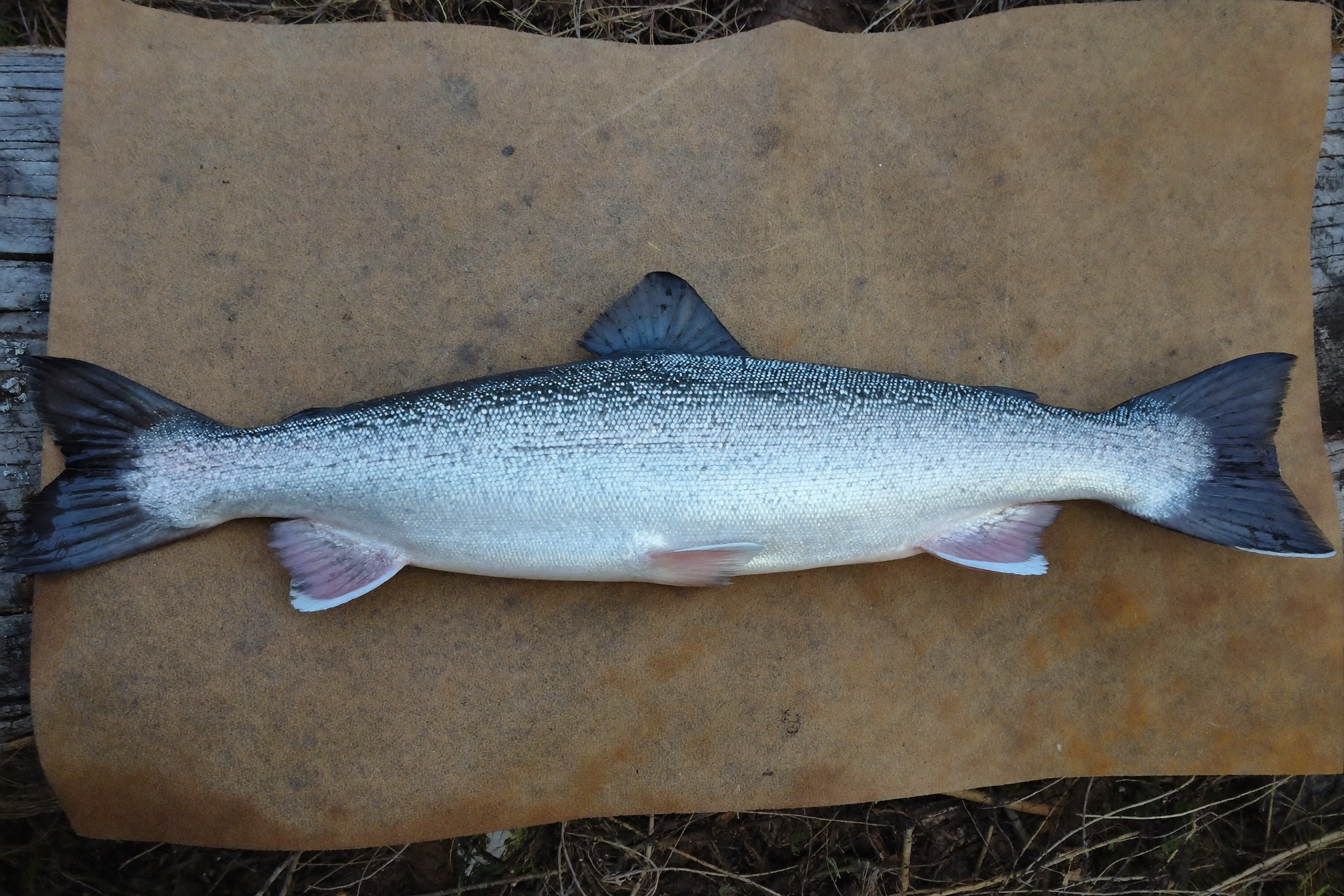
The name "silver salmon" is well earned. While at sea, coho display a bright metallic silver body with dark blue-green backs -- a dazzling appearance that makes them one of the most visually striking fish in the Pacific. The scientific name itself carries the story of a fish shaped by wildness: Oncorhynchus comes from the Greek words for "hook" and "nose," describing the hooked jaw that males develop during spawning, while kisutch is the traditional name for this fish in Siberia and Alaska.
Life Cycle: From Stream to Sea and Back
Coho salmon follow the same awe-inspiring anadromous life cycle shared by all Pacific salmon, but with a few twists that make them unique. After hatching in freshwater streams and rivers, juvenile coho typically spend their entire first year in fresh water -- longer than most other salmon species. This extended freshwater phase means coho fry grow in smaller tributaries and headwater streams that are too shallow for larger species like chinook (king) salmon.
After their first year, young coho migrate to the ocean, where their growth accelerates dramatically. They spend roughly 18 months feeding on herring, sand lance, anchovies, and squid in the coastal waters of the North Pacific. By their third or fourth year, sexually mature coho begin the return journey to their natal streams.
Range and Habitat
Wild coho salmon range across the entire North Pacific, from central California up through the coast of Alaska to the Aleutian Islands, and across to Russia's Kamchatka Peninsula and south to Japan. In Alaska, coho exist wherever they can access both freshwater habitat and the Pacific Ocean -- a range that spans thousands of miles of coastline.
What sets coho apart from other salmon species is their preference for smaller waterways. While king salmon need large, deep rivers, coho thrive in tributaries, side channels, and streams that are too small for their bigger cousins. This adaptability means coho populations are widely distributed across countless small watersheds, making them one of the most geographically resilient salmon species.
Identifying Coho Salmon
Recognizing coho depends on when and where you find them. In their ocean phase, coho are elegant fish: bright silver flanks, a dark metallic blue-green back, and small black spots concentrated on the back and upper lobe of the tail. Their gums at the base of the teeth are white -- a detail that distinguishes them from chinook salmon, which have black gum lines.
The transformation during spawning is striking. Males develop a pronounced hooked jaw (the "kype") and their coloring shifts from silver to dark red or maroon sides with greenish heads and backs. Females undergo a subtler color change but also develop the reddish flanks that signal spawning readiness.
Coho vs. Other Pacific Salmon: A Quick Comparison
| Trait | Coho (Silver) | King (Chinook) | Sockeye (Red) | Pink |
|---|---|---|---|---|
| Average Weight | 8-12 lbs | 20-50 lbs | 5-8 lbs | 3-5 lbs |
| Fat Content | Medium | Highest | Moderate | Lowest |
| Flavor Intensity | Mild, delicate | Rich, buttery | Bold, robust | Very mild |
| Flesh Color | Orange-red | Deep red-orange | Deep red | Light pink |
| Alaska Run Timing | Jul - Sep | May - Jul | Jun - Aug | Jul - Sep |
| Best For | Everyday meals, kids | Special occasions | Bold preparations | Budget meals |
Now that you know what coho salmon is and where it fits in the wild salmon family, the next section covers what matters most in the kitchen: how it tastes, what nutrients it delivers, and the best methods for cooking it to perfection.
Ready to Try Wild Sockeye Salmon?
Our sockeye is caught wild in Bristol Bay, Alaska and flash-frozen on the boat to lock in peak freshness. Build a custom box with exactly the fish you want.
Shop Our Wild Sockeye SalmonFlavor Profile and Texture
If you have ever had someone tell you they "don't like fish," coho salmon is your secret weapon. Among all wild Pacific salmon species, coho offers the most approachable flavor -- mild, delicate, and slightly sweet, without the assertive richness that can overwhelm new palates. It is the salmon that converts skeptics.
What Does Coho Taste Like?
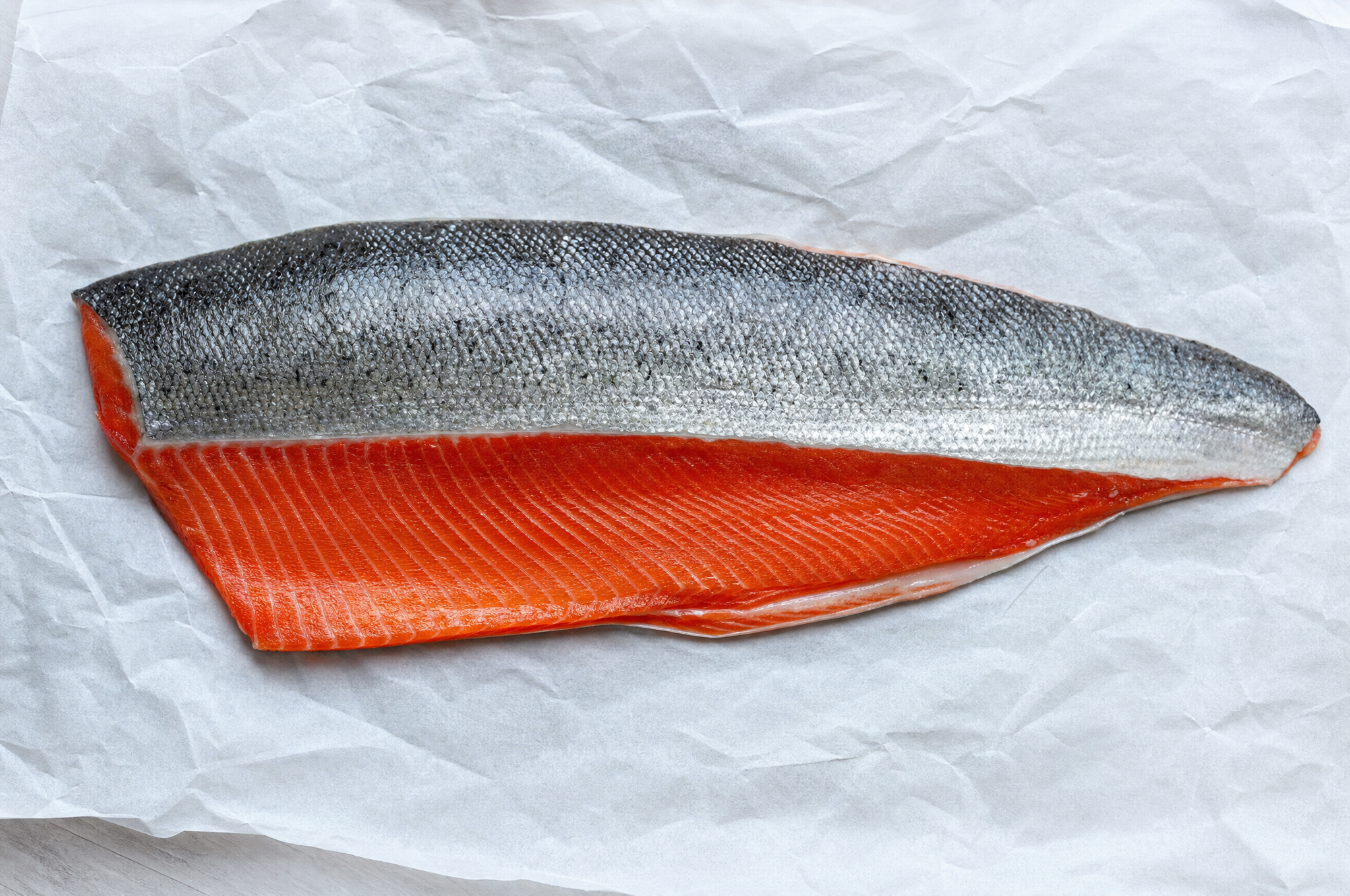
Coho salmon has a clean, mild flavor with a subtle sweetness that distinguishes it from the more intense sockeye or the luxuriously buttery king. The flesh is orange-red in color, lighter than the deep crimson of sockeye, and it flakes into medium-sized pieces when properly cooked -- smaller than the large, silky flakes of king salmon but with more substance than the soft texture of pink salmon.
The medium fat content is key to understanding coho's appeal. At roughly 7 grams of fat per 4-ounce serving, coho has enough oil to stay moist and forgiving during cooking, but not so much that it feels heavy or overtly "fishy." This balance makes it one of the most versatile cooking fish in the wild salmon family.
Flavor Pairing Strengths
Because coho's flavor is mild rather than dominant, it serves as an excellent canvas for bolder seasonings and sauces. Where king salmon's richness demands simple preparations, and sockeye's intensity can compete with strong sauces, coho happily takes on outside flavors:
- Asian glazes: Soy, ginger, mirin, and sesame -- the mild flesh absorbs umami beautifully
- Herb crusts: Dill, parsley, chives, or a panko-herb coating adds texture without masking the fish
- Citrus: Lemon, lime, or orange brighten the delicate sweetness
- Butter and cream sauces: Coho's lighter fat content means it pairs with rich sauces without becoming heavy
- Bold spices: Cajun seasoning, chili-lime, or smoked paprika all work because the flesh does not fight back
- Simple preparations: Salt, pepper, olive oil, and a squeeze of lemon let the natural flavor stand on its own
Nutritional Breakdown
Wild coho salmon is a nutritional powerhouse packed into a lean, protein-rich package. Every 4-ounce serving delivers a remarkable concentration of essential nutrients, omega-3 fatty acids, and vitamins that support heart health, brain function, and overall wellness.
Coho Salmon Nutrition Facts (4 oz / 113g, Cooked, Wild)
| Nutrient | Amount per 4 oz | % Daily Value |
|---|---|---|
| Calories | 165 | -- |
| Protein | 25g | 50% |
| Total Fat | 7g | 9% |
| Omega-3 (EPA + DHA) | 1,000-1,200mg | -- |
| Carbohydrates | 0g | 0% |
| Vitamin B12 | 4.8 mcg | 200% |
| Vitamin D | ~15 mcg | ~100% |
| Selenium | ~37 mcg | 67% |
| Niacin (B3) | ~8mg | 50% |
| Phosphorus | ~280mg | 22% |
| Potassium | ~460mg | 10% |
Omega-3 Fatty Acids: The Heart of the Matter
Wild coho salmon delivers approximately 1,000 to 1,200 milligrams of combined EPA and DHA omega-3 fatty acids per 4-ounce serving. This exceeds the American Heart Association's recommendation of at least 250-500 mg per day for cardiovascular health, meaning a single serving of coho provides two to four days' worth of heart-protective omega-3s.
While king salmon has the highest total omega-3 count among salmon species, coho offers an excellent omega-3-to-calorie ratio. You get substantial omega-3 benefits with fewer calories and less total fat -- a trade-off that makes coho especially appealing for people watching their calorie intake while still prioritizing heart and brain health.
How Coho Compares Nutritionally
| Per 4 oz Cooked | Coho (Silver) | King (Chinook) | Sockeye (Red) |
|---|---|---|---|
| Calories | 165 | 230 | 190 |
| Protein | 25g | 25g | 24g |
| Total Fat | 7g | 13g | 10g |
| Omega-3 (EPA+DHA) | ~1,100mg | ~1,500mg | ~730mg |
| Vitamin B12 | 200% DV | 150% DV | 250% DV |
| Astaxanthin | Moderate | Low-Moderate | Highest |
Mercury and Safety
Wild Pacific salmon species, including coho, contain some of the lowest mercury levels of any commercially available fish. Testing consistently shows wild coho at 0.01 to 0.03 parts per million -- well below the FDA's 1.0 ppm safety threshold. For context, that is roughly 30 to 50 times lower than the FDA limit.
The FDA and EPA classify salmon as a "Best Choice" fish, recommending 2-3 servings per week for adults, children, pregnant women, and nursing mothers. Wild Alaskan salmon in particular has been shown to contain the lowest contaminant levels among all salmon varieties, making it an excellent protein choice for the whole family.
Cooking Methods for Coho Salmon
Coho salmon is arguably the most forgiving wild salmon species to cook. Its medium fat content provides a buffer against overcooking that leaner sockeye lacks, while its mild flavor makes it compatible with virtually every cooking technique. Here are the best methods ranked by ease and reliability.
1. Baking (Best Beginner Method)
Baking is the most reliable, least stressful way to cook coho salmon. The even, gentle heat of an oven produces consistent results and requires minimal hands-on attention.
- Temperature: 375-400 degrees F
- Time: 12-15 minutes for a 6 oz fillet
- Setup: Skin-side down on a parchment-lined sheet pan
- Seasoning: Olive oil, salt, pepper, and lemon is the classic starting point
- Doneness cue: The flesh should flake easily but still appear slightly translucent in the very center
2. Pan-Searing
Pan-searing delivers a golden, crispy skin with a moist, tender interior -- the restaurant-quality method that is simpler than most people think. The key with coho is gentler heat than you would use for fattier king salmon.
- Start skin-side down in a cold pan with a tablespoon of oil, then turn the heat to medium
- Do not move the fish for 4-5 minutes -- let the skin render and crisp
- Flip once and cook 2-3 minutes on the flesh side
- Baste with butter: Add a tablespoon of butter, garlic, and fresh herbs in the final minute. Tilt the pan and spoon the melted butter over the top of the fillet
- Rest 3 minutes before serving
3. Poaching
Poaching is the gentlest cooking method and produces exceptionally tender, moist results with coho. Because coho has a delicate flavor, poaching in an aromatic liquid amplifies that subtlety beautifully rather than masking it.
- Liquid: Court bouillon (water, white wine, lemon, peppercorns, bay leaf, onion) or simply salted water with lemon
- Temperature: Maintain 160-180 degrees F -- a bare simmer with small bubbles rising, never a rolling boil
- Time: 8-10 minutes for a 6 oz fillet
- Serve: Excellent chilled over salads or warm with a light dill cream sauce
4. Grilling
Coho can be grilled successfully, but it requires more care than fattier species. Because coho has less fat than king salmon, direct high heat can dry it out. The cedar plank method is your best friend here.
- Cedar plank method (recommended): Soak a cedar plank for 1-2 hours. Place seasoned coho on the plank, grill over medium heat with the lid closed for 12-15 minutes. The plank prevents sticking, adds smoky flavor, and the moisture from the wood protects the fish
- Direct grilling: Oil the grates heavily. Place skin-side down over medium heat (325-350 degrees F). Do not flip. Grill covered for 8-10 minutes. The skin acts as a barrier between the flesh and the flame
- Foil packet: Wrap coho with vegetables, herbs, lemon, and a splash of white wine in a foil packet. Grill over medium heat for 12-15 minutes. Steam inside the packet keeps everything moist
5. Baking En Papillote (Parchment Paper)
This French technique steams the fish inside a sealed parchment paper pouch -- and it is far easier than the name suggests. The result is perfectly moist coho with infused flavors from whatever aromatics you seal inside.
- Place the fillet on a large piece of parchment paper
- Top with sliced vegetables (asparagus, zucchini, cherry tomatoes), herbs, a pat of butter, and a splash of white wine or citrus juice
- Fold the parchment over and crimp the edges tightly to seal
- Bake at 400 degrees F for 14-16 minutes
- Serve by cutting open the pouch at the table -- the aromatic steam is part of the presentation
Why Coho Is the Best Salmon for Meal Prep
Here is something most salmon guides will not tell you: coho is the best wild salmon species for meal prepping. Its mild flavor does not intensify or develop strong "reheated fish" notes the way fattier species can. Sockeye and king salmon, with their higher oil content, can develop an assertive taste when refrigerated and reheated. Coho stays mild and pleasant.
Bake a batch of coho fillets on Sunday, store them in the refrigerator, and you have protein-rich meal components for the week. They work cold in salads, reheated gently in grain bowls, flaked into wraps, or served alongside roasted vegetables. The mild flavor means Monday's teriyaki bowl and Wednesday's lemon-herb lunch plate can come from the same batch of fish.
Cook Wild Sockeye Salmon This Week
Our wild sockeye fillets arrive flash-frozen and vacuum-sealed, ready for any of these methods. Choose your cuts and build a box that fits your family.
Shop Our Wild Sockeye SalmonBuying Guide: What to Look For
Not all coho salmon is created equal. The difference between a transcendent dinner and a disappointing one often comes down to sourcing and handling decisions made long before the fish reaches your kitchen. Here is how to find the best coho salmon every time.
What to Look For at the Counter
Whether you are buying fresh or frozen, these indicators separate premium wild coho from everything else:
- Color: Wild coho should be a vibrant orange-red. Avoid fish that looks dull, grey, or washed out -- it has likely been sitting too long or was not handled properly after harvest
- Smell: Fresh wild salmon should smell like the ocean -- clean, briny, slightly mineral. Any strong "fishy" or ammonia-like odor means the fish is past its prime
- Firmness: When pressed with a finger, the flesh should spring back. If it stays indented, it has lost structural integrity
- Origin: Look for "Wild Alaska" or "Wild Pacific" on the label. The species should be identified as coho or silver salmon. Be cautious of labels that say simply "Atlantic salmon" without specifying wild-caught, as virtually all Atlantic salmon is farmed
- Skin condition: If buying skin-on fillets, the skin should be intact, bright, and firmly attached to the flesh
Fresh vs. Frozen: The Truth
Here is a fact that surprises many shoppers: the "fresh" salmon at your local fish counter was almost certainly frozen at some point. The vast majority of wild Alaska salmon is flash-frozen within hours of harvest, either on the fishing vessel or at a nearby processing facility. That "fresh" fillet at the market is usually a previously frozen fillet that has been thawed for display.
This matters because every time fish thaws, the clock starts ticking on quality degradation. A fillet that was frozen at sea and shipped frozen to your door has undergone exactly one freeze-thaw cycle. A "fresh" fillet at the market may have been frozen, shipped, thawed, and sitting on ice for days.
Why Popsie Chose Wild Sockeye Over Coho
While coho is a fantastic wild salmon, Popsie does not sell coho salmon. We chose wild sockeye as our premium salmon because of its bold, distinctive flavor, stunning deep-red color, and exceptional nutritional profile. Our sockeye is caught wild in Bristol Bay, Alaska and flash-frozen on the boat or at shore-side facilities within hours of harvest. We vacuum-seal individual portions so you can thaw exactly what you need without exposing the rest to air or temperature changes.
Because we sell direct to you, there is no middleman markup. Our mix-and-match tier system lets you build a custom box of wild Alaskan seafood -- combine sockeye salmon with halibut, cod, sablefish, and other species we offer in box-size options for different household needs.
Best Value Tips
- Buy in bulk and freeze: Compare the live prices and contents of each available box size to choose the option that fits your household and freezer
- Mix species: Build a varied box with sockeye salmon, halibut, cod, and sablefish -- bold sockeye for grilling and salads, halibut for special occasions, and cod or sablefish for everyday versatility
- Watch for seasonal availability: Coho runs from July through September. Ordering during peak season ensures the freshest catch
- Skin-on fillets: These are typically less expensive per pound than skinless portions and the skin protects the flesh during cooking. You can always remove the skin after cooking if you prefer
Storage and Thawing Best Practices
Proper storage and thawing are the bridge between a great purchase and a great meal. Wild coho salmon deserves the same care after it reaches your home that went into catching and handling it.
Freezer Storage
Vacuum-sealed wild coho salmon maintains optimal quality in a home freezer for 6-9 months and remains safe to eat well beyond that. The vacuum seal is critical -- it eliminates the air exposure that causes freezer burn and off-flavors.
- Keep frozen at 0 degrees F (-18 degrees C) or below for best quality retention
- Store in the back of the freezer where temperature is most stable, away from the door
- Do not break the vacuum seal until you are ready to thaw and cook
- Optimal quality window: 6-9 months for peak flavor and texture
- Safe indefinitely: Properly frozen salmon does not become unsafe -- only quality degrades over time
Thawing Methods
| Method | Time | Quality | Notes |
|---|---|---|---|
| Refrigerator (Best) | 12-14 hours | Excellent | Remove vacuum packaging; thaw in a shallow covered container in the fridge |
| Cold Water | 25-35 minutes | Very Good | Keep vacuum seal intact, submerge in cold water, change water every 10 min |
| Cook from Frozen | Add 50% cook time | Good | Rinse under cold water, pat dry, season, and cook at lower temp |
| Microwave | 3-5 minutes | Poor | Creates uneven texture and moisture loss -- not recommended for premium fish |
After Thawing
- Cook within 24 hours of full thaw for best quality
- Do not refreeze raw fish that has been fully thawed -- the texture and moisture will suffer significantly on the second freeze
- Pat completely dry before cooking to remove surface moisture and improve browning
- Bring to near room temperature (10-15 minutes on the counter) before cooking for more even results
Coho vs. Other Salmon: The Full Comparison
Choosing between salmon species can feel overwhelming, especially when you are stocking a freezer or trying a new species for the first time. Here is a comprehensive head-to-head comparison that covers what matters most: taste, nutrition, price, and best uses.
Coho vs. King Salmon
This is the "everyday versatility vs. special occasion luxury" comparison. King salmon (chinook) is the largest, fattiest, and most expensive Pacific salmon. Its rich, buttery flesh and high omega-3 content make it exceptional for simple preparations where the fish is the star. Coho, by contrast, is more affordable, milder, and adapts to a wider range of recipes and cooking methods.
| Factor | Coho (Silver) | King (Chinook) |
|---|---|---|
| Flavor | Mild, delicate, slightly sweet | Rich, buttery, complex |
| Fat Content | Medium (~7g/4oz) | High (~13g/4oz) |
| Texture | Medium flakes, tender | Large, silky flakes |
| Price Point | $$ | $$$$ |
| Best For | Weeknight dinners, kids, meal prep, versatile cooking | Special occasions, sashimi, simple preparations |
| Cooking Ease | Very forgiving | Forgiving (high fat buffers overcooking) |
Coho vs. Sockeye Salmon
This is the comparison shoppers ask about most often, because coho and sockeye are closest in size and price. The key difference is flavor intensity. Sockeye has a bold, assertive, almost earthy flavor and deep red flesh loaded with astaxanthin antioxidants. Coho is milder and more approachable, with a lighter red-orange color.
| Factor | Coho (Silver) | Sockeye (Red) |
|---|---|---|
| Flavor | Mild, delicate | Bold, robust, slightly earthy |
| Fat Content | Medium (~7g/4oz) | Moderate (~10g/4oz) |
| Flesh Color | Orange-red | Deep crimson red |
| Omega-3s | ~1,100mg/4oz | ~730mg/4oz |
| Astaxanthin | Moderate | Highest of all species |
| Best For | Picky eaters, children, glazed/sauced dishes | Bold preparations, grilling, smoking |
| Cooking Forgiveness | More forgiving | Dries out faster (leaner muscle) |
Coho vs. Pink Salmon
Pink salmon is the most abundant and least expensive wild salmon species. It has a very mild flavor and low fat content, making it best for applications where the salmon is mixed with other ingredients -- salmon patties, casseroles, salads, and canned preparations. Coho costs more but delivers significantly better flavor, texture, and nutritional density for dishes where the fish is front and center.
Coho vs. Farmed Atlantic Salmon
| Factor | Wild Coho | Farmed Atlantic |
|---|---|---|
| Habitat | Wild ocean and rivers | Net pens in coastal waters |
| Diet | Natural: herring, sand lance, squid | Manufactured feed pellets |
| Fat Content | Medium, natural omega-3s | Very high, higher omega-6 ratio |
| Contaminants | Very low (remote Alaska waters) | Higher PCBs, antibiotics possible |
| Color | Natural orange-red from diet | Often added via astaxanthin in feed |
| Flavor | Clean, mild, slightly sweet | Mild, fattier, sometimes bland |
| Environmental Impact | Sustainable wild fishery | Concerns: sea lice, waste, escapes |
| Mercury Level | ~0.02 ppm | ~0.05 ppm |
The Bristol Bay Connection
Bristol Bay, Alaska is known worldwide as the epicenter of wild sockeye salmon fishing -- home to the largest sockeye run on Earth. But the Bay's coho run is a critical part of the ecosystem and the fishing economy, extending the season weeks beyond the sockeye peak and sustaining both commercial fishermen and the wild landscape that depends on returning salmon.
Coho: Extending the Season
In Bristol Bay, the rhythm of the salmon season follows a predictable progression. King salmon enter the rivers first, in late May and June. Sockeye follow in massive numbers through June and July, with the commercial fishery reaching its frenetic peak in early-to-mid July. By late July, the sockeye run is winding down.
That is when the silvers arrive. The first coho enter Bristol Bay rivers -- particularly the Nushagak, Naknek, and Alagnak -- in late July and early August. The run builds through August, peaking in mid-to-late August, and continues through September. For commercial fishermen like our founder Tony, coho fishing extends the productive season by weeks, providing additional income and harvest opportunity after the intensity of the sockeye opener has passed.
The Nushagak: Bristol Bay's Coho Capital
While coho enter river systems throughout Bristol Bay, the Nushagak District is consistently the largest producer. The Nushagak River drainage and its tributaries provide extensive freshwater habitat that coho depend on during their extended juvenile phase. In 2024, the Nushagak District accounted for the majority of Bristol Bay's commercial coho harvest.
The coho that return to these rivers have spent 18 months feeding in the North Pacific, building the fat reserves and muscle density that make wild Alaska coho such an outstanding food fish. By the time they enter fresh water, they are at peak condition -- bright silver, well-fed, and full of the omega-3 fatty acids that only a wild ocean diet can produce.
Why Wild Matters
Every wild coho that returns to Bristol Bay is part of a self-sustaining ecosystem that has existed for millennia. These fish are not bred in hatcheries, not fed manufactured pellets, and not treated with antibiotics. They are born in cold, clean rivers, migrate to the open ocean, and return home driven by instinct. The nutrients they carry back from the sea -- deposited in the watershed when they spawn and die -- feed the forests, the bears, the eagles, and the next generation of salmon.
When you buy wild Bristol Bay coho, you are supporting a fishery that is certified sustainable by the Marine Stewardship Council and managed by some of the most rigorous fisheries science in the world. You are also supporting the small-boat fishermen and fishing families who depend on this resource and have every incentive to protect it for future generations.
Wild Sockeye from Bristol Bay to Your Table
Our sockeye is caught by independent Bristol Bay fishermen and flash-frozen to preserve peak quality. No middlemen, no markups -- just wild Alaska fish delivered to your door.
Shop Our Wild Sockeye SalmonSeasonal Availability Calendar
Understanding when coho salmon is harvested helps you plan purchases for peak freshness and best pricing. While flash-frozen coho is available year-round, knowing the natural rhythm of the run gives you an edge as a buyer.
| Month | Coho Status | What It Means for You |
|---|---|---|
| January - April | Off-season (frozen inventory) | Flash-frozen coho from the previous season is available and at peak frozen quality. Great time to stock up |
| May - June | Pre-season | King and sockeye runs are active in Alaska. Coho stocks from last season are still excellent quality |
| July | Early arrivals | First coho enter Alaska rivers in late July. Sockeye season is winding down. Fresh coho begins to appear |
| August | Peak run | Peak coho fishing across Bristol Bay and coastal Alaska. Best time for freshest catch of the new season |
| September | Late run | Coho continue entering rivers. Commercial harvest continues. New season fish is being processed and frozen |
| October - December | Post-season (new frozen stock) | Fresh-from-the-season frozen coho is now fully available. Excellent time to order for the holidays |
Recipe Ideas for Coho Salmon
Coho's mild flavor and forgiving texture make it the most versatile wild salmon in the kitchen. Here are recipe ideas organized by occasion and difficulty, each designed to showcase what makes coho special.
Quick Weeknight Dinners (Under 30 Minutes)
- Honey-soy glazed coho: Whisk together soy sauce, honey, garlic, ginger, and sesame oil. Brush on coho fillets and bake at 400 degrees F for 12-14 minutes. The mild flesh absorbs the glaze beautifully. Serve over rice with steamed broccoli
- Lemon-herb sheet pan coho: Arrange coho fillets on a sheet pan with asparagus, cherry tomatoes, and sliced lemon. Drizzle with olive oil, season with salt, pepper, and fresh dill. Bake at 400 degrees F for 15 minutes. Entire dinner on one pan
- Pan-seared coho with butter and capers: Sear skin-side down for 4 minutes, flip, add butter, capers, and a squeeze of lemon. Cook 3 more minutes. Restaurant-quality in under 15 minutes
Family-Friendly and Kid-Approved
- Coho salmon nuggets: Cut coho into bite-sized pieces, dip in beaten egg, coat in seasoned panko breadcrumbs, and bake at 425 degrees F for 10-12 minutes. Serve with a mild yogurt-dill dipping sauce. The mild flavor makes these a hit with kids who normally refuse fish
- Coho quesadillas: Flake baked or leftover coho and fold into tortillas with cheese, corn, and a squeeze of lime. Cook in a skillet until golden. A kid-friendly format that disguises the fish for picky eaters
- Teriyaki coho rice bowls: Bake coho with store-bought teriyaki sauce, flake over rice with edamame, avocado, and cucumber. Sweet teriyaki plus mild coho is an approachable combination for the whole family
Weekend and Special Occasion
- Cedar plank grilled coho: The smoky sweetness of cedar paired with coho's delicate flavor creates something genuinely special. Soak the plank, add a brown sugar and mustard glaze, and grill covered for 12-15 minutes
- Coho en papillote with white wine: Seal coho in parchment paper with thinly sliced fennel, olives, cherry tomatoes, capers, and a splash of white wine. Bake at 400 degrees F for 14-16 minutes. Cut open the pouch at the table for a dramatic presentation
- Herb-crusted coho with lemon beurre blanc: Press a mixture of fresh parsley, dill, panko, and parmesan onto the top of the fillet. Bake at 375 degrees F for 15 minutes. Serve with a simple lemon butter sauce
Meal Prep and Batch Cooking
- Batch-baked coho for the week: Season 4-6 fillets with olive oil, salt, and pepper. Bake at 375 degrees F for 12 minutes. Cool and refrigerate. Use throughout the week in salads, grain bowls, wraps, and pasta
- Coho salmon salad: Flake chilled coho and mix with Greek yogurt, lemon juice, dill, capers, and minced celery. Use as a sandwich filling, serve on crackers, or scoop onto greens. Similar to tuna salad but with better flavor and nutrition
- Smoked coho spread: If you have access to smoked coho, blend it with cream cheese, lemon zest, dill, and horseradish for an appetizer spread that works with crackers, bagels, or crostini
Find More Wild Salmon Recipes
Our recipe collection features dozens of tested recipes specifically developed for wild Alaska salmon, from quick weeknight meals to impressive dinner party dishes.
Explore Wild Salmon RecipesFrequently Asked Questions About Coho Salmon
1. What does coho salmon taste like?
Coho salmon has a mild, delicate flavor with a subtle sweetness -- noticeably gentler than the bold, robust taste of sockeye and less rich than the buttery intensity of king salmon. The flesh is medium-firm with tender flakes, and the overall experience is clean and approachable. Most people describe it as the least "fishy" tasting wild salmon, which is why it is frequently called the "gateway fish" for people new to salmon or for children who are particular about strong flavors.
2. Is coho or sockeye salmon better?
Neither is objectively better -- they serve different purposes. Coho is milder and more versatile, making it ideal for families, kids, picky eaters, and recipes where the fish is paired with sauces or bold seasonings. Sockeye has a more intense, robust flavor and deeper red color with higher astaxanthin (antioxidant) content, making it better for grilling, smoking, and preparations where you want the salmon flavor to be front and center. Nutritionally, coho actually delivers more omega-3 fatty acids per serving (~1,100mg vs ~730mg), while sockeye leads in vitamin B12 and astaxanthin. Many families keep both in the freezer for different meal occasions.
3. How do you cook coho salmon?
Coho salmon is one of the most forgiving wild salmon species to cook. The best methods include baking (375-400 degrees F for 12-15 minutes), pan-searing (skin-side down first for crispy skin), poaching in aromatic liquid, grilling on a cedar plank, and baking en papillote (in parchment paper). The key is to avoid overcooking: target an internal temperature of 120-125 degrees F for optimal texture, pulling the fish from heat at 115-120 degrees F to allow carryover cooking. Wild coho firms up faster than farmed salmon, so erring on the side of undercooking is better than pushing past medium doneness.
4. Is coho salmon good for kids?
Coho is arguably the best wild salmon species for children. Its mild, non-fishy flavor and tender texture make it far more palatable for young and picky eaters than bold-tasting sockeye or rich king salmon. From a safety standpoint, wild coho contains extremely low mercury levels (0.01-0.03 ppm, well below FDA limits) and the FDA classifies all salmon as a "Best Choice" fish for children. The omega-3 fatty acids in coho support brain development, eye health, and cognitive function in growing kids. Try coho in kid-friendly formats like salmon nuggets, quesadillas, or teriyaki rice bowls.
5. What is the nutritional difference between coho and king salmon?
The primary differences are in fat and calories. A 4-ounce serving of coho provides roughly 165 calories with 7 grams of fat and about 1,100 mg of omega-3s. The same serving of king salmon provides approximately 230 calories with 13 grams of fat and about 1,500 mg of omega-3s. Both deliver around 25 grams of protein. King salmon has more total omega-3s due to its higher overall fat content, but coho offers a more favorable omega-3-to-calorie ratio for people who are monitoring calorie intake. Both are excellent sources of vitamin B12, vitamin D, and selenium.
6. How long does frozen coho salmon last?
Vacuum-sealed wild coho salmon maintains optimal quality in a home freezer (0 degrees F / -18 degrees C or below) for 6 to 9 months. It remains safe to eat indefinitely when stored at a constant freezing temperature -- only the quality gradually degrades over time. The vacuum seal is the critical factor: it prevents freezer burn and oxidation that cause off-flavors. Store packages in the back of the freezer where temperature is most stable, and do not break the seal until you are ready to thaw and cook. Once thawed, cook within 24 hours.
7. Can you eat coho salmon raw?
Wild coho salmon can be eaten raw in sushi and sashimi preparations, but it must be properly handled. FDA guidelines require that fish intended for raw consumption be frozen at -4 degrees F (-20 degrees C) or below for at least 7 days, or at -31 degrees F (-35 degrees C) for 15 hours, to kill potential parasites. Most commercially flash-frozen wild salmon meets these standards. Coho's mild flavor and medium-firm texture make it a good sushi-grade fish, though it is less commonly used for sashimi than the richer king salmon. If you plan to eat coho raw, confirm with the seller that the freezing protocol meets FDA requirements for raw consumption.
8. Why is coho called silver salmon?
Coho salmon earned the name "silver salmon" (or simply "silvers") from their striking appearance while living in the ocean. During their ocean phase, coho display bright, metallic silver flanks with a dark blue-green back -- making them one of the most visually distinctive Pacific salmon species. The silver coloring is so prominent that it became the common name used by fishermen across Alaska and the Pacific Northwest long before the species had a widely used scientific name. When coho return to fresh water to spawn, they undergo a dramatic color transformation, developing reddish-maroon sides and greenish heads, but it is their dazzling ocean-phase silver that gave them their lasting nickname.
Final Thoughts: Coho Is Great — But Sockeye Is Our Pick
Coho salmon is an excellent wild fish. Its mild flavor welcomes beginners, its medium fat content forgives cooking mistakes, and its nutritional profile -- packed with protein, omega-3s, and essential vitamins -- delivers everything you want from wild fish. There is a reason it is called the "gateway salmon."
But when it came time to choose the salmon we would stake our name on, we chose wild sockeye. Sockeye's bold, distinctive flavor, stunning deep-red color, and outstanding omega-3 and astaxanthin profile make it the best all-around wild salmon for people who love great food. Whether you are grilling, smoking, baking, or eating it straight from the pan, sockeye delivers a flavor experience that coho simply cannot match. That is why every salmon box from Popsie starts with Bristol Bay sockeye.
Try Wild Sockeye Salmon — Popsie's Premium Pick
Build a custom box of wild Alaska seafood with our mix-and-match tier system. Combine available species when the current product options allow, and check the displayed per-pound price for each variant before ordering.
Shop Our Wild Sockeye SalmonContinue Exploring
Species Guide | Cooking Guide | Health Benefits | Buying Guide
Wild Seafood on a Budget | How to Cook Frozen Fish | Salmon Recipes | Shop Wild Salmon