


The Popsie Fish Company
Wild Caught Alaskan Halibut
Wild Caught Alaskan Halibut
Choose Your Box Size:
Get notified when it's back
Couldn't load pickup availability
Not delighted? We'll replace or refund your order. 100% guarantee.
Bigger boxes cost less per pound. Mix any species in one order and it all ships together. See how it works
Wild-caught in Alaska
Wild Alaska halibut, caught by Alaska's commercial halibut fishermen and packed under the Popsie name. Alaska's commercial Pacific halibut fishery is certified sustainable by the Marine Stewardship Council (US North Pacific halibut and sablefish).
Wild Halibut recipes from our kitchen
See all recipes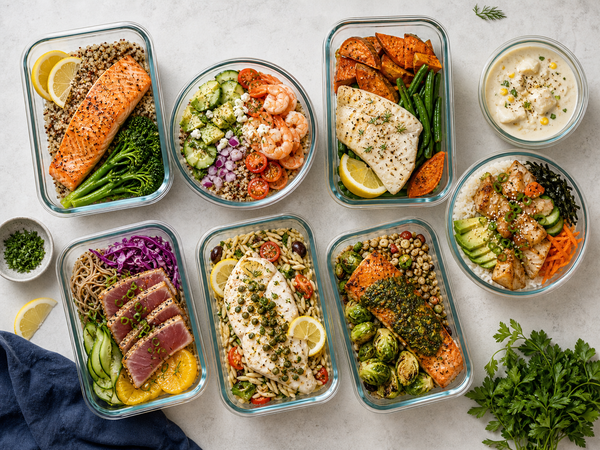


Premium wild halibut with clean, mild flavor — Alaska's most prized flatfish. Packed with lean protein and essential nutrients, halibut delivers exceptional health benefits and restaurant-quality results from your kitchen.
Key Specifications
| Spec | Detail |
|---|---|
| Species | Pacific Halibut |
| Source | Wild-Caught Alaska |
| Catch Method | Wild-Caught by Alaska Fishermen |
| Weight/Size | 6oz portions |
| Box Size | 4-5 lbs (10-14 portions) |
| Grade | Premium, Restaurant-Grade |
| Omega-3 per Serving | About 330mg EPA+DHA (6oz portion, raw weight) |
| Protein per Serving | 32g (6oz portion, raw weight) |
About This Premium Product
Wild Alaskan halibut is the crown jewel of Pacific flatfish - prized by chefs and home cooks alike for its snow-white, firm flesh and exceptionally clean, mild flavor. As the largest flatfish in the ocean, halibut develops its dense, satisfying texture through cold, deep Alaskan waters and natural feeding. Each 6 oz portion delivers an impressive 32 grams of lean protein with low-fat content, making halibut one of the most nutritionally efficient fish available. The firm texture holds up beautifully to nearly every cooking method - a versatile choice for chefs of any skill level.
Caught in Alaska's pristine waters by Alaska's commercial halibut fishermen and packed under the Popsie name, our halibut is flash-frozen at peak freshness to preserve the bright, clean flavor and firm texture. The snow-white flesh stays flaky and moist when cooked properly, making it ideal for everything from simple pan-sears to elegant baked preparations. Halibut is treasured by high-end chefs for its versatility and crowd-pleasing flavor — a perfect canvas for bold sauces, fresh herbs, or simple butter and lemon. For those seeking lean, high-protein nutrition with restaurant-quality results, this is the ultimate choice.
Why Choose Wild Halibut? It's one of the leanest, highest-protein fish available, with a firm, flaky texture that pairs beautifully with nearly any preparation. Discover how we sustainably source premium Alaska halibut.
Nutritional Information (Per 6oz Portion, Raw Weight, USDA)
| Nutrient | Amount |
|---|---|
| Calories | 155 |
| Protein | 32g |
| Total Fat | 2.3g |
| Omega-3 (EPA+DHA) | About 330mg |
| Vitamin D | 320 IU (8mcg) |
| Selenium | 78mcg |
| Potassium | 740mg |
| Vitamin B12 | 1.9mcg |
Premium Sourcing & Sustainability
Our halibut is caught in Alaska by Alaska's commercial halibut fishermen and packed under the Popsie name. Alaska's commercial Pacific halibut fishery is certified sustainable by the Marine Stewardship Council (US North Pacific halibut and sablefish). Each fish is carefully selected for quality and maturity, then flash-frozen within hours to preserve the signature firm, white flesh. Learn about our family's commitment to sustainable fishing and explore Alaska's pristine fishing regions.
How to Prepare Premium Halibut
Halibut's firm texture makes it one of the most versatile fish to cook — it holds its shape beautifully under high heat or gentle methods alike. The lean flesh benefits from a watchful eye and a little fat to keep it moist. Check our complete wild seafood cooking guide for detailed techniques, or try one of our signature halibut recipes. Most chefs recommend simple preparations that let the clean, mild flavor shine.
Thawing
Thaw overnight in the refrigerator (8-10 hours). For quick thawing, seal in a bag and submerge in cold water for 1-2 hours.
Best Cooking Methods
- Pan-Seared: High heat creates a golden, caramelized crust while the interior stays flaky and moist, 4-5 minutes per side.
- Baked: Roast at 400°F with butter, herbs, and lemon for 12-15 minutes — simple and foolproof.
- Grilled: Firm texture holds up perfectly on the grill; brush with oil to prevent sticking, 5-6 minutes per side.
- Poached: Gentle simmering in white wine or broth for 8-10 minutes yields delicate, restaurant-quality results.
Chef's Tip
Because halibut is lean, it can dry out if overcooked - pull it from heat when it just turns opaque in the center and let it rest for 2 minutes. A pat of butter or a drizzle of olive oil during cooking makes all the difference. Let the fish's naturally clean, sweet flavor do the work.
Signature Halibut Recipes
Discover why chefs worldwide praise halibut. Each recipe highlights the firm, flaky texture and clean flavor:
- Pan-Seared Halibut with Herb Butter — Classic preparation, restaurant-quality at home
- Grilled Halibut with Mango Salsa — Fresh and vibrant for summer cooking
- Herb-Baked Halibut — Simple herbs and lemon enhance the natural sweetness
Frequently Asked Questions
Q: What makes wild Alaskan halibut special?
Wild Alaskan halibut is prized for its snow-white, dense flesh and exceptionally clean, mild flavor. It's one of the leanest high-protein fish available, and its firm texture makes it incredibly versatile in the kitchen — from grilling to poaching.
Q: Is halibut a good choice for people who don't love "fishy" flavor?
Absolutely. Halibut is widely considered one of the mildest-tasting fish in the ocean. Its clean, subtly sweet flavor makes it a favorite for those who prefer a less pronounced fish taste — and a great gateway fish for new seafood eaters.
Q: How does halibut protein compare to other fish?
Wild halibut delivers an impressive 32g of protein per 6oz portion (raw weight), making it one of the highest-protein fish available. With only about 2g of fat, it's also one of the leanest — ideal for high-protein diets. See our complete nutrition comparison.
Q: Can I cook halibut at high temperature?
Yes, but keep an eye on timing. Halibut's firm texture handles high heat well for pan-searing and grilling, but its lean flesh cooks quickly. Pull it from heat as soon as the center turns opaque to keep it moist and flaky.
Q: Is wild halibut sustainable?
Yes. Alaska's halibut fishery is one of the most carefully managed in the world, with strict quotas and annual assessments. The Marine Stewardship Council has certified it as sustainable (US North Pacific halibut and sablefish). Learn about Alaska's sustainable fishing practices.
Q: How is wild halibut different from farm-raised?
Wild halibut develops its firm, dense texture and clean flavor from natural feeding and cold Alaskan waters. Farm-raised alternatives lack this complexity. Wild is the only choice for true quality.
Q: Can I mix halibut with other wild seafood?
Absolutely. Halibut pairs beautifully with richer fish like salmon or sablefish for a diverse, balanced seafood collection.
Explore Premium Wild Seafood
Experience the full range of Alaska's finest wild seafood. Explore our complete wild collection.
Pairs beautifully in a mix-and-match box with our wild-caught Alaskan salmon — wild sockeye from Bristol Bay, flash-frozen and shipped on dry ice.
Wild Alaska halibut, caught by Alaska's commercial halibut fishermen and packed under the Popsie name. Our family has fished Bristol Bay sockeye since 1987. Learn more about our story.


Frequently Asked Questions
Why does wild Alaskan halibut command a premium price?
Halibut is a highly sought-after, deep-water flatfish with a strictly managed wild quota. Its mild, sweet flavor, firm texture, and thick flakes make it one of the finest culinary fish in the world.
Can I eat your halibut raw, as crudo or ceviche?
Yes. Our halibut is flash-frozen to meet the FDA's parasite-destruction freezing guidance for fish eaten raw, so we sell it as sashimi-grade. Thaw it in the refrigerator, keep it cold, and use it within 24 hours for raw dishes. Citrus in ceviche does not kill parasites; the freezing does. Freezing controls parasites, not bacteria, so if you're pregnant, cooking for young children or older adults, or have a weakened immune system, cook it to 145°F. Cooked, halibut is lean and dries out fast, so take it off the heat at 145°F.
How does halibut compare to cod in taste and texture?
While both are wild whitefish, halibut has firmer, tighter flesh and a sweeter, more delicate flavor profile. It holds together beautifully on a grill or pan. Cod is milder, softer, and more flaky, making it ideal for batters, fish tacos, and bakes.
What's the best way to cook halibut without drying it out?
Pan-searing is excellent. Sear for 3 to 4 minutes on one side to get a golden crust, flip, baste with butter, and cook for just another 2 minutes. Halibut is very lean, so it cooks quickly. It's done when the flesh changes from translucent to opaque and just begins to flake.
Can I combine different fish in one order?
Yes. You can add any available fish species, cuts, and box sizes to the same order. Each selection keeps the price shown for that specific box-size variant, and your cart and checkout will show any discount that is actually applied.
How is the seafood packaged and shipped?
All portions are flash-frozen, vacuum-sealed, and packed in an insulated shipping box with a generous amount of dry ice. We guarantee your seafood will arrive frozen solid to your doorstep, even in the middle of summer.
How long can I store this fish in my freezer?
Because our seafood is vacuum-sealed and flash-frozen at peak freshness, it keeps its best quality for 6 to 12 months in a home freezer at 0°F or below. Before refrigerator thawing, open or remove the vacuum packaging, place the fish in a shallow covered container, keep it refrigerated, and follow package or processor instructions.
Can I thaw and refreeze the fish?
We strongly recommend against refreezing seafood after it has been completely thawed, as this degrades the delicate cell structure and harms the texture and flavor. We recommend thawing only the individual portions you plan to eat within 48 hours, and within 24 hours if you are serving the fish raw.