
The fish was fresh and delicious. We all loved it!
The Popsie Fish Company
Wild Caught Alaskan Sablefish (Black Cod)
Wild Caught Alaskan Sablefish (Black Cod)
Regular price
$155.00
Ground shipping is $9.99 per order to the contiguous 48 states. Faster UPS options, and shipping to Alaska and Hawaii, are priced at checkout.
Choose Your Box Size:
Get notified when it's back
Quantity
Couldn't load pickup availability
Not delighted? We'll replace or refund your order. 100% guarantee.
Flash-Frozen at Peak Freshness
Ships Frozen on Dry Ice
100% Satisfaction Guaranteed
Wild-Caught in Alaska
Ships Tuesdays and Wednesdays with dry ice. Order by Tuesday 10 AM ET and yours ships Tuesday.
Bigger boxes cost less per pound. Mix any species in one order and it all ships together. See how it works
Sustainably Sourced
Read our sustainability story
Wild-caught in Alaska
Wild Alaska sablefish (black cod), caught by Alaska's commercial fishermen and packed under the Popsie name. Alaska's sablefish (black cod) fishery is certified sustainable by the Marine Stewardship Council (US North Pacific halibut and sablefish).
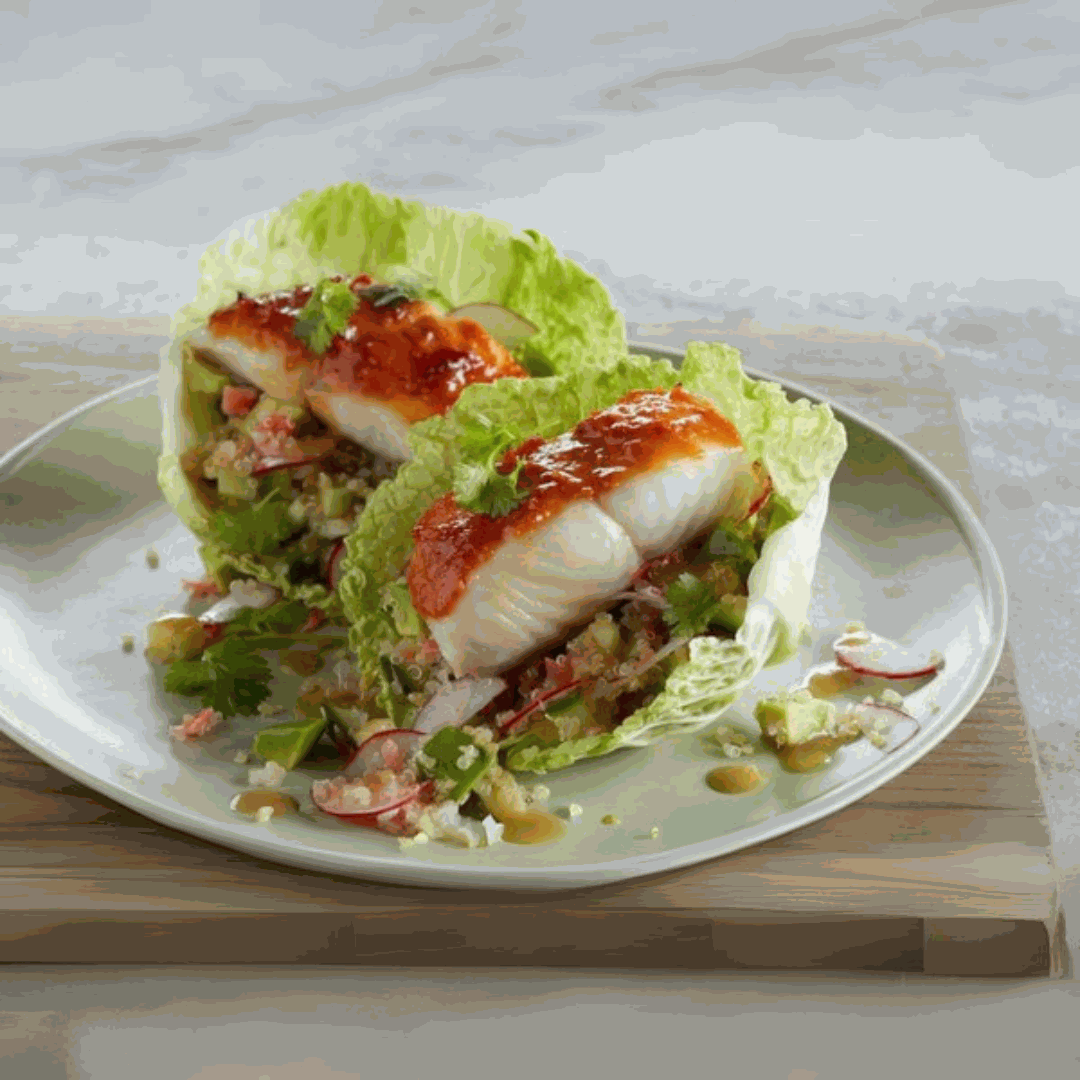
Wild Sablefish recipes from our kitchen
See all recipesPremium wild sablefish (black cod) with buttery, rich flavor — the wagyu of the sea. With about 2,400mg of EPA+DHA omega-3s in each 6oz portion (raw weight), sablefish delivers exceptional health benefits and restaurant-quality results from your kitchen.
Key Specifications
| Spec | Detail |
|---|---|
| Species | Sablefish (Black Cod) |
| Source | Wild-Caught Alaska |
| Catch Method | Wild-Caught by Alaska Fishermen |
| Weight/Size | 6oz portions |
| Box Size | 4-5 lbs (10-14 portions) |
| Grade | Premium, Restaurant-Grade |
| Omega-3 per Serving | About 2,400mg EPA+DHA (6oz portion, raw weight) |
| Protein per Serving | 23g (6oz portion, raw weight) |
About This Premium Product
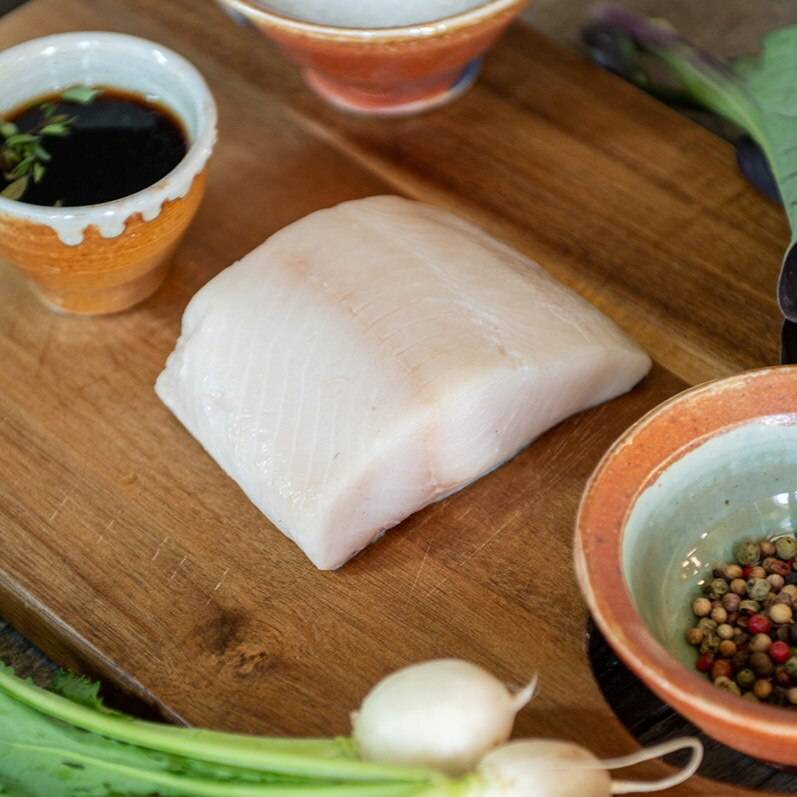
Wild Alaskan sablefish, known as black cod, is the premium jewel of wild seafood — often called "the wagyu of the sea" for its buttery, rich flesh and luxurious marbling. Unlike farm-raised sablefish, wild specimens develop their signature silky texture from natural feeding and deep-water conditions. Each 6oz portion (raw weight) contains about 2,400mg of omega-3 fatty acids (EPA+DHA), about twice a sockeye portion, while providing a completely different culinary experience. The high fat content stays moist during cooking, making sablefish nearly impossible to overcook — a forgiving choice for chefs of any skill level.
Wild-caught in Alaska's pristine deep waters by Alaska fishermen and packed under the Popsie name, our sablefish is flash-frozen at peak freshness to preserve the buttery meat and delicate flavor. The distinctive orange-pink flesh darkens slightly during cooking while maintaining incredible juiciness. Sablefish is treasured by high-end chefs for miso-glazed applications, steaming, and poaching — dishes where the fish's natural oils shine without heavy sauces. For those seeking omega-3 nutrition with restaurant-quality results, this is the ultimate choice.
Why Choose Wild Sablefish? It has about 2,400mg EPA+DHA per 6oz portion (raw weight), with a butter-soft texture that chefs adore. Discover how we sustainably source premium Alaska sablefish.
Nutritional Information (Per 6oz Portion, Raw Weight, USDA)
| Nutrient | Amount |
|---|---|
| Calories | 330 |
| Protein | 23g |
| Total Fat | 26g |
| Omega-3 (EPA+DHA) | About 2,400mg |
| Selenium | 62mcg |
| Potassium | 610mg |
| Vitamin B12 | 2.5mcg |
Premium Sourcing & Sustainability
Our sablefish is wild-caught in Alaska by other Alaska fishermen and packed under the Popsie name. Alaska's sablefish (black cod) fishery is certified sustainable by the Marine Stewardship Council (US North Pacific halibut and sablefish). Each fish is carefully selected for quality and maturity, then flash-frozen within hours to preserve the signature buttery texture. Learn about our family's commitment to sustainable fishing and explore Alaska's pristine fishing regions.
How to Prepare Premium Sablefish
Sablefish's natural oils make it forgiving to cook — nearly impossible to overcook. The high fat content keeps meat moist and succulent. Check our complete wild seafood cooking guide for detailed techniques, or try one of our signature sablefish recipes. Most chefs recommend simple preparations that let the buttery flesh shine.
Thawing
Thaw overnight in the refrigerator (8-10 hours). For quick thawing, seal in a bag and submerge in cold water for 1-2 hours.
Best Cooking Methods
- Miso-Glazed: The signature preparation — brush with miso-butter glaze and broil or pan-sear until golden.
- Steamed: Place on aromatics (ginger, scallions, shiitake), steam for 10-12 minutes for delicate, silky results.
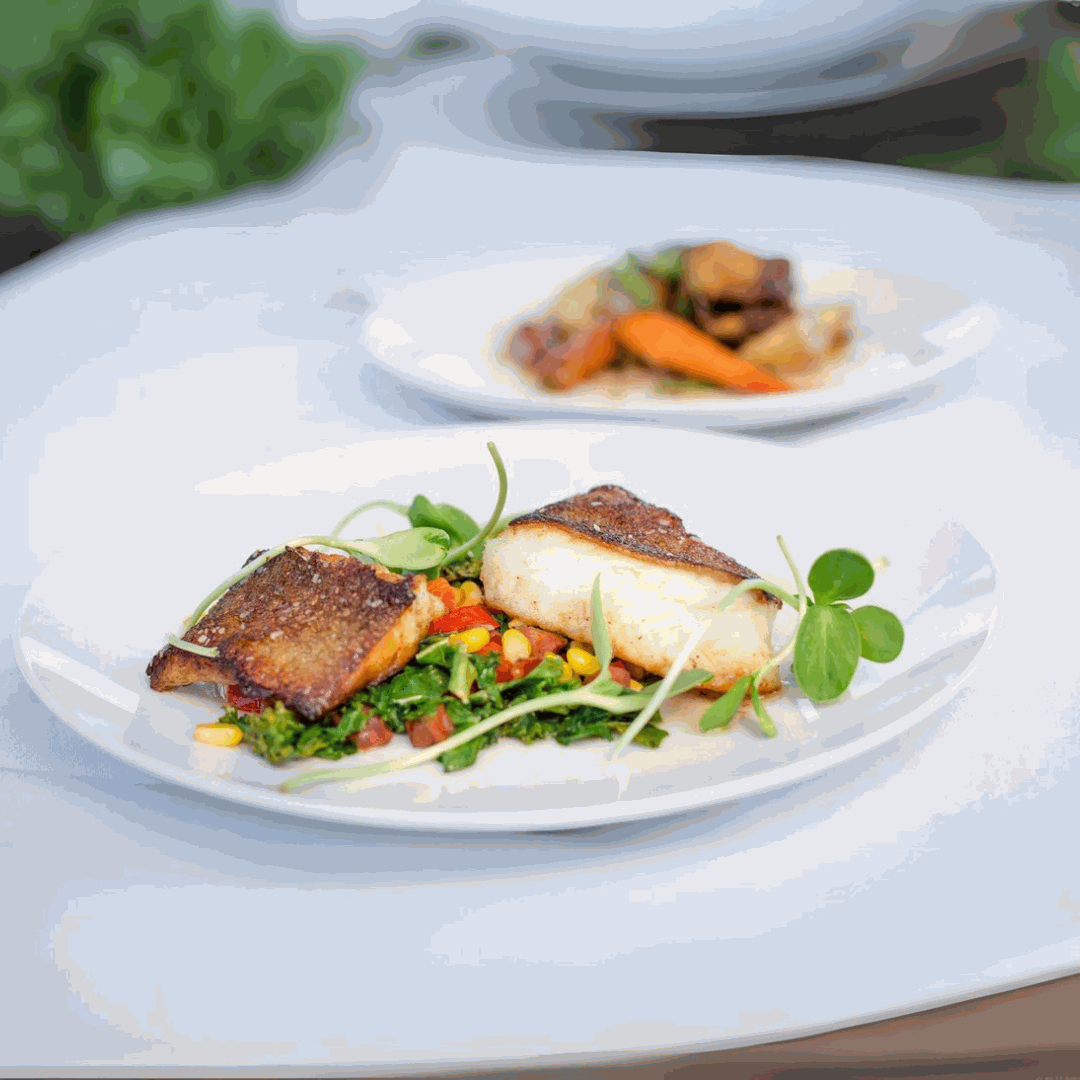
- Pan-Seared: High heat creates crispy skin while meat stays buttery inside, 4-5 minutes per side.
- Poached: Gentle simmering in dashi or light broth for 8-10 minutes yields restaurant-quality dishes.
Chef's Tip
Sablefish is nearly impossible to overcook thanks to its high fat content. The buttery oils protect the meat from drying out. Use salt and minimal sauce — let the natural flavors speak for themselves. Japanese chefs prize sablefish for this very reason.
Signature Sablefish Recipes
Discover why chefs worldwide praise sablefish. Each recipe highlights the rich, buttery texture:
- Miso-Glazed Sablefish — The signature preparation, restaurant-quality at home
- Cedar Plank Sablefish — Aromatic smoke infuses the buttery meat
- Herb-Baked Sablefish — Simple herbs and lemon enhance natural oils
Frequently Asked Questions
Q: Why is sablefish called "the wagyu of the sea"?
Sablefish features natural marbling of fat throughout the meat, creating a buttery, luxurious texture similar to wagyu beef. This fat makes the fish hard to dry out and delivers incredible flavor, plus about 2,400mg EPA+DHA per 6oz portion (raw weight).
Q: Is sablefish the same as black cod?
Yes. Sablefish and black cod are two names for the same species (Anoplopoma fimbria). All our sablefish is wild-caught from Alaska, never farm-raised.
Q: How does sablefish omega-3 compare to salmon?
A 6oz sablefish portion contains about 2,400mg EPA+DHA (raw weight, USDA), about twice the roughly 1,200mg in a 6oz sockeye portion. See our complete nutrition comparison.
Q: Can I cook sablefish at high temperature?
Yes. Unlike lean fish, sablefish can withstand high heat thanks to its fat content. Pan-searing at medium-high creates crispy skin while keeping meat buttery inside. The natural oils protect it from drying out.
Q: Is wild sablefish sustainable?
Yes. Alaska's sablefish fishery is strictly managed with quotas and closures, and the Marine Stewardship Council has certified it as sustainable (US North Pacific halibut and sablefish). Learn about Alaska's sustainable fishing practices.
Q: How is wild sablefish different from farm-raised?
Wild sablefish develops its signature buttery texture from natural feeding and deep-water conditions. Farm-raised alternatives lack this complexity. Wild is the only choice for true quality.
Q: Can I mix sablefish with other wild seafood?
Absolutely. Sablefish pairs beautifully with leaner fish like cod or halibut in mixed dinners.
Explore Premium Wild Seafood
Experience the full range of Alaska's finest wild seafood. Explore our complete wild collection.
Round out your order with our Alaskan sockeye salmon — hand-caught in Bristol Bay and flash-frozen within hours of harvest.
Wild Alaska sablefish (black cod), packed under the Popsie name. Our family has fished Bristol Bay sockeye since 1987. Learn more about our story.
Customer Reviews
Overall rating: 4.8 / 5 from 55 reviews.
Purchased from you before and was happy with this purchase as well. I purchased Sable fish elsewhere and yours is better. Just had to wait for it to come back in season.
Incredibly tender and delicious. We absolutely love it. Thank you!
I purchased this because the Cod was out of stock and I liked it. Very mild and has a good texture. Shipping and packaging were great.
Always frozen always perfect! Best Alaskan black cod!

Excellent quality and taste, and notably the packing and shipping were extremely thoughtful and professional, using multiple boxes, insulation and dry ice, which other fisheries do not do. I will continue to order from Popsie!
The Sablefish filets are wonderful. I prepared them for broiling with a small squeeze of lemon juice on top. Then into the broiler to an internal temperature of about 145 degrees F. Awesome texture and flavor. This fish flesh has enough fat to make a great culinary experience! Dan S
Wild Caught Alaskan Sablefish (Black Cod)
I'd never had sablefish before, so this was somewhat of a gamble to buy 5 lb. of it. Well, the gamble paid off. First dinner was a simple prep, just salt, pepper, and a pan sauté with avocado oil and butter. It turned out great and it will be a regular in my fish rotation. Also, I had read that you have to remove the pin bones in sablefish and I was surprised to find that the fillet was already boned. Overall, a great tasting white fish.
Wild Caught Alaskan Sablefish (Black Cod)
Fantastic company to buy from!
Wild Caught Alaskan Sablefish (Black Cod)
We have loved our salmon I was so happy to find a site with affordable prices. I only eat Alaska salmon. We made our second order more salmon, cod and flounder. We will order again.

We’ve been delighted with the sablefish from Popsie Fish Co for several years, singing the praises of their delicious fish to friends and family along the way. We finally had one of those friends to the house to enjoy it with us, and she was delighted - as were we! It’s a joy to receive a delivery of Popsie Fish Co products and to support an excellent company who contributes to our well being with their products and customer service. Thank you once again!
Best fish ever! Tender, sweet and cuts like butter!

Excellent & the best fish around!
Wild Caught Alaskan Sablefish (Black Cod)
Second time ordering. Great fish.
10/10 can’t recommend it enough!
My first experience with this type of Cod, it was very good w/minimal seasoning cooked in a cast iron skillet. Simple and easy to prepare. I am amazed at the taste and texture.
Literally the best eating fish/package/seal! 10/10
Great taste and quality
The black cod is a big hit when I serve it for family and friends. And it’s always an enjoyable experience to order from Popsie!
Been buying from Popsie for years now and love the taste of their products. Shipping was quick and product came as described. Can’t wait to begin to enjoy this batch.
Very easy process,quick delivery, and the fish arrived frozen solid, and in good condition!
Wild Caught Alaskan Sablefish (Black Cod)
The sablefish is just amazing. It’s flavorful and light. It’s my new favorite. Delivery by Popsie was quick and on time. We’ll be ordering more!
Wild Caught Alaskan Sablefish (Black Cod)
Rich tasting and so good to eat. I am not a lover of fish, but this was special. A viable and healthy alternative to my only other fish, King Salmon.
It is delicious, juicy and full of omega 3's.
Our new favorite! Soo good!
delicate, moiste and tasty
Excellent tasting fish, a mild buttery tasting flacor.The packaging was perfect. I will certainly order again in the future from Popsie!
Great delicious fish !
This was a Christmas gift to a couple who are culinary folk’s rated A+++++. Awaiting their approvals. Thank you, Tom. Bechler
Delicious!
Wish I’d taken a photo :) In any case, I pan fried two fillets just as suggested on your website…thin coating of oil in the pan, a wee bit of salt and pepper and a quick trip in the hot pan. Quite possibly the best fish we’ve ever had. Buttery, light, fresh, and cooked just right. Unlike any other fish I can think of. Can’t wait to do it again!
Delivery of frozen fish cross-country in 2 days is wonderful. I love sablefish for its mild flavor, while it still has the wonderful healthy fats we associate with salmon. I also like to support small businesses.
Amazing quality and service, throughly enjoyed and will order again!
Popsie's Wild Caught Alaska Sablefish Box (choose 5 or 10 lbs)
Sablefish is as good if not better than lobster unless you eat the lobster on the Maine coast.
Popsie's Wild Caught Alaska Sablefish Box (choose 5 or 10 lbs)
I ordered Sablefish which tastes like sea bass and I love it. My order came quickly and was frozen in dry ice. I placed it right in the freezer from the box and couldn’t be happier with my purchase.
Popsie's Wild Caught Alaska Sablefish Box (choose 5 or 10 lbs)

Love Popsie Fish Co! The portions are always right and we personally love that the fish come without bones. Some don't, we do! Sablefish is my favorite so I was super excited to see that they offered it as a one time box.
Popsie's Wild Caught Alaska Sablefish Box (choose 5 or 10 lbs)
Delivered frozen and fresh!
Popsie's Wild Caught Alaska Sablefish Box (choose 5 or 10 lbs)

We have the salmon already and due to this smooth buying from Popsie we now have our order of Sablefish. The fish is delicious. Well packed,comes when it says and is frozen on arrival. I even had a call two days later to see if we we’re satisfied with our order. Love that it is wild caught a family owned business and a smooth process ordering on line. This is how we buy ALL our fish from now on. Thank you Popsie company and Please continue to supply a quality product.
Popsie's Wild Caught Alaska Sablefish Box (choose 5 or 10 lbs)
Excellent Fish excellent service. Would highly recommend.
Popsie's Wild Caught Alaska Sablefish Box (choose 5 or 10 lbs)
Package arrived in perfect condition with the contents completely frozen. Very pleased.
Frequently Asked Questions
What exactly is sablefish (black cod)?
Sablefish is a deep-water fish native to the muddy sea beds of the North Pacific. Though often called 'black cod' due to its dark skin, it is not a member of the cod family. It is prized for its rich, pearly-white flesh and luxurious, buttery texture.
Can I eat sablefish raw?
Some restaurants serve sablefish raw as crudo, but we sell ours as a fish to cook and we do not label it sashimi-grade. Its high oil content is what makes it exceptional under a broiler or in a smoker. Cook it to an internal temperature of 145°F, which is the FDA's guidance. If you want fish for raw preparations, our sockeye salmon and halibut are the ones we stand behind.
Why is sablefish nicknamed 'butterfish'?
Sablefish has an exceptionally high natural oil content, even higher than salmon. These healthy fats give the fish a silky, melt-in-your-mouth texture that resembles butter. It is very forgiving to cook because the oils keep the flesh moist.
How does the omega-3 content of sablefish compare to salmon?
A 6 oz sablefish portion (raw weight) contains about 2,400 mg of EPA + DHA omega-3s on average, nearly twice the roughly 1,200 mg in a 6 oz wild sockeye portion (USDA).
What is the classic recipe for cooking sablefish?
The best known preparation is miso-glazed black cod. Marinate the portions in a mixture of white miso paste, sake, mirin, and sugar for a few hours, then broil or bake at 400°F until the glaze caramelizes and the fish flakes apart easily.
Can I combine different fish in one order?
Yes. You can add any available fish species, cuts, and box sizes to the same order. Each selection keeps the price shown for that specific box-size variant, and your cart and checkout will show any discount that is actually applied.
How is the seafood packaged and shipped?
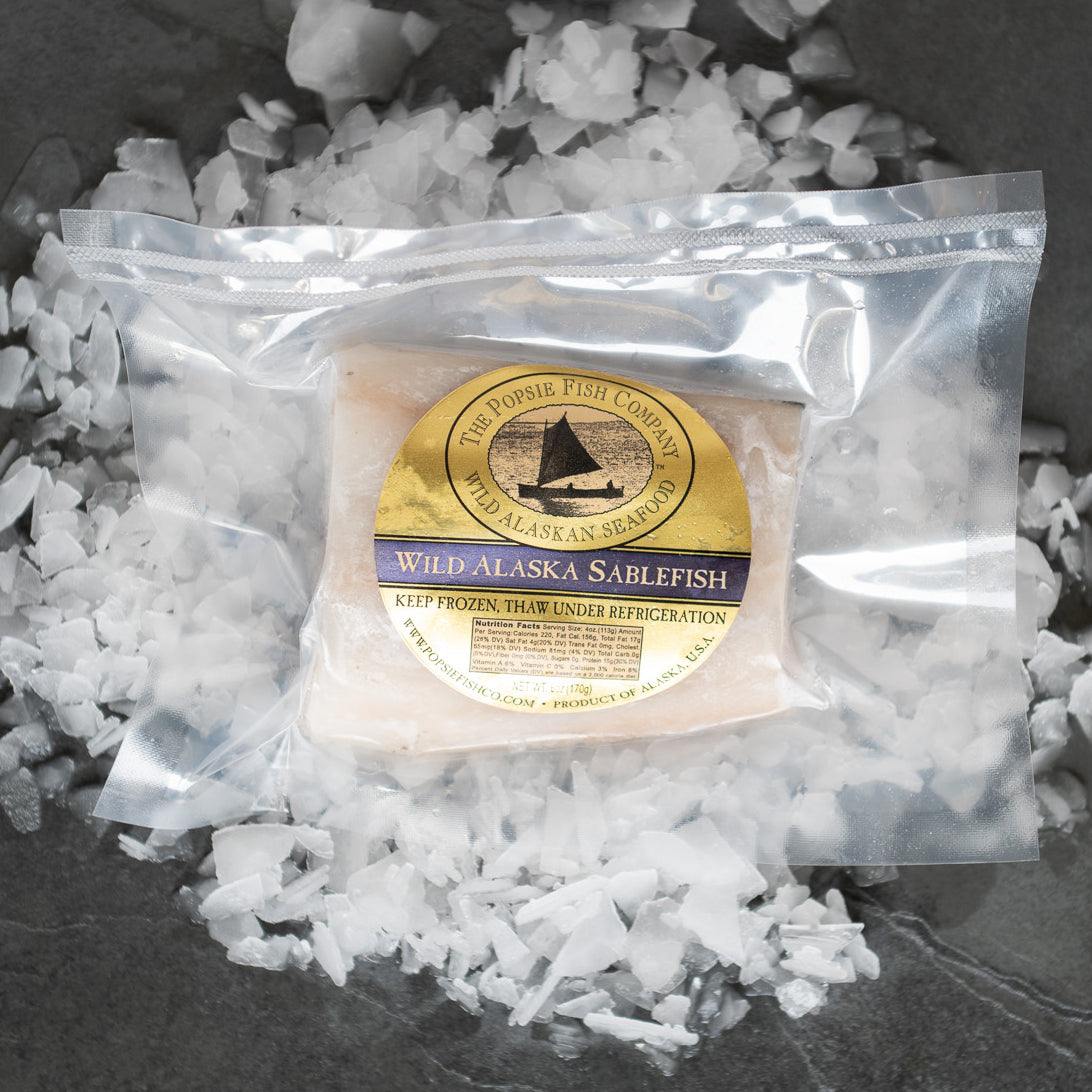
All portions are flash-frozen, vacuum-sealed, and packed in an insulated shipping box with a generous amount of dry ice. We guarantee your seafood will arrive frozen solid to your doorstep, even in the middle of summer.
How long can I store this fish in my freezer?
Because our seafood is vacuum-sealed and flash-frozen at peak freshness, it keeps its best quality for 6 to 12 months in a home freezer at 0°F or below. Before refrigerator thawing, open or remove the vacuum packaging, place the fish in a shallow covered container, keep it refrigerated, and follow package or processor instructions.
Can I thaw and refreeze the fish?
We strongly recommend against refreezing seafood after it has been completely thawed, as this degrades the delicate cell structure and harms the texture and flavor. We recommend thawing only the individual portions you plan to eat within 48 hours, and within 24 hours if you are serving the fish raw.