
Buyer's Guide
Sushi-Grade Salmon: What It Actually Means & How to Buy It
“Sushi-grade” has no legal definition. Here's what the term really tells you, the FDA freezing rule that makes raw salmon safe, and how to get sashimi-grade wild sockeye shipped to your door.
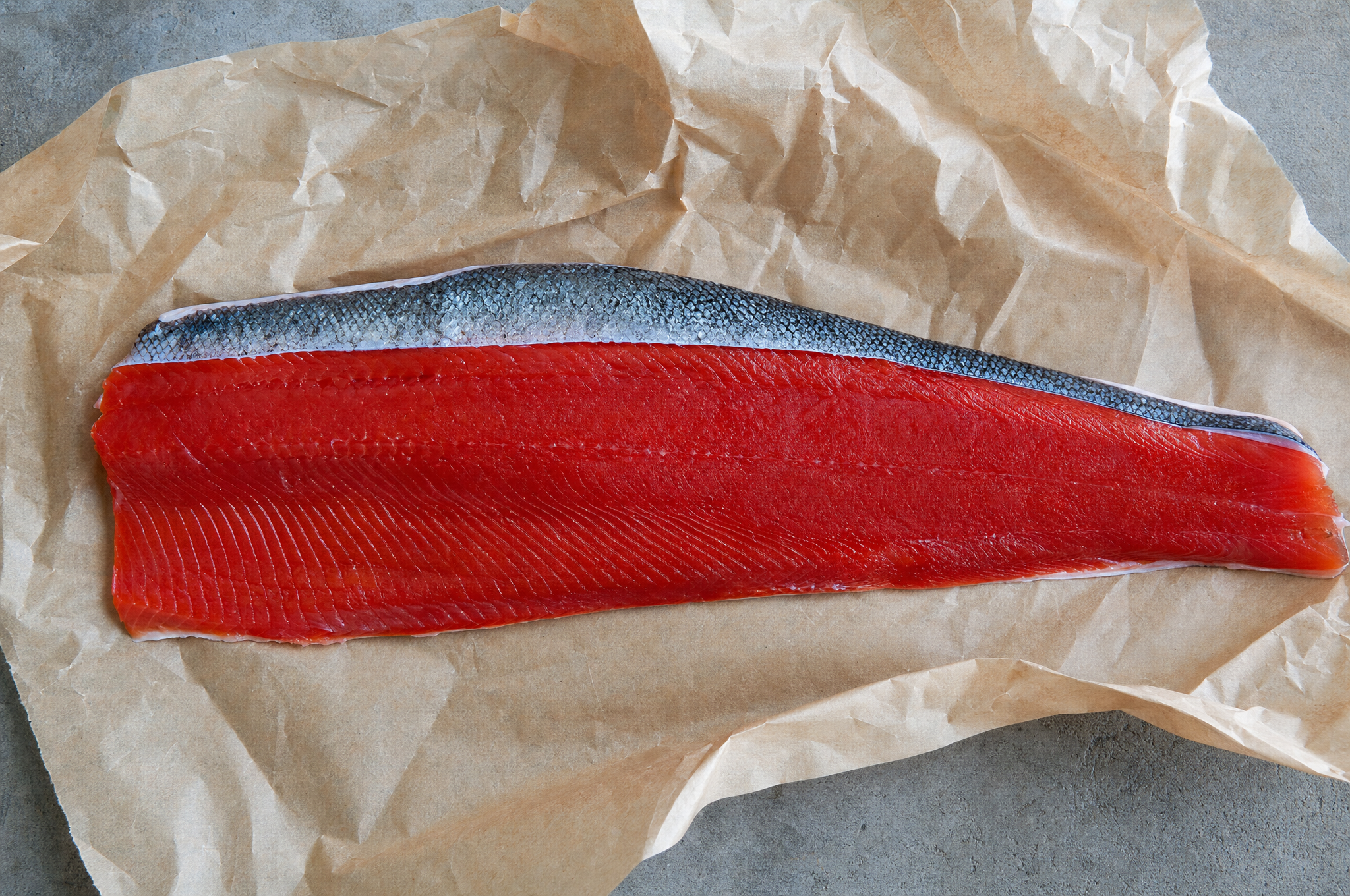
Key Takeaways
- “Sushi-grade” and “sashimi-grade” are not regulated terms. No government agency certifies fish as sushi-grade — it is the seller's declaration that the fish is safe to eat raw.[1]
- What actually makes salmon safe to eat raw is parasite-destruction freezing per FDA guidance: for example, blast-freezing at −31°F until solid, then holding frozen.[2]
- Never eat salmon raw unless it has been properly frozen first — trimming, rinsing, or “buying fresh” does not remove parasite risk.[3]
- The salmon served in most sushi restaurants was previously frozen — that's the standard of the trade, not a compromise.
- Wild sockeye that's bled at the moment of capture and blast-frozen at peak freshness gives you the deep color, firm texture, and clean flavor that sashimi demands.
- Popsie's Bristol Bay sockeye is handled and frozen to those standards, which is why we sell it as sashimi-grade — and why it ships to your door still frozen, exactly the state raw preparation calls for.
Table of Contents
- What Does “Sushi-Grade” Actually Mean?
- Sashimi vs. Sushi: A 60-Second Refresher
- Can You Eat Salmon Raw?
- The FDA Freezing Rule That Makes Raw Salmon Safe
- Wild vs. Farmed Salmon for Eating Raw
- Why Flash-Frozen Beats “Fresh” for Sashimi
- How Our Sockeye Earns the Sashimi-Grade Label
- “Sushi-Grade Salmon Near Me”: Where to Actually Find It
- How to Thaw, Slice & Serve Sashimi at Home
- Frequently Asked Questions
- References & Citations
What Does “Sushi-Grade” Actually Mean?
Sushi-grade salmon is salmon that a seller declares safe to eat raw. That's the whole definition — because in the United States there is no legal, regulated, or government-certified meaning for “sushi-grade,” “sashimi-grade,” or “sushi-quality” fish. The FDA does not grade fish for raw consumption, and no inspector stamps a fillet “sushi-grade” the way beef gets graded Prime or Choice.[1]
That doesn't make the term meaningless. When a reputable fishmonger labels salmon sushi-grade or sashimi-grade, they're telling you two things:
- The fish was handled for raw eating from the start — caught quickly, bled upon capture, gutted and chilled soon after, and kept at safe temperatures through the whole chain.
- It was frozen to FDA parasite-destruction standards — the specific time-and-temperature freezing protocol that kills the parasites wild fish can carry (more on the exact numbers below).
So the real question to ask any seller — at a fish counter, a Japanese market, or an online store — isn't “is this sushi-grade?” It's: “Was this fish frozen to FDA guidance for raw consumption, and are you comfortable selling it to eat raw?” A trustworthy seller answers that question directly. We do: our answer is yes, and the rest of this guide shows the receipts.
The industry term is actually “sashimi-grade”
People in the fish business — and that includes us — tend to say sashimi-grade rather than sushi-grade, because sashimi is always raw fish while sushi often contains no raw fish at all. In practice the two terms are used interchangeably, and both mean the same thing: the seller stands behind eating this fish raw. Our full explainer on the difference lives in What Makes Salmon Sushi Grade or Sashimi?
Sashimi vs. Sushi: A 60-Second Refresher
The words get tangled together, but they describe different dishes — and only one of them is necessarily raw:
| Sashimi | Sushi | |
|---|---|---|
| What it is | Thinly sliced raw fish, served on its own | Seasoned, vinegared rice topped with or rolled around fish, seafood, or vegetables |
| Contains rice? | Never | Always — “sushi” literally means “vinegar rice” |
| Always raw fish? | Yes | No — can be cooked seafood or fully vegetarian |
| Best salmon for it | Sashimi-grade wild sockeye, sliced against the grain | Same fish for raw styles (nigiri, rolls); cooked salmon works for many rolls |
The practical takeaway: whether you're slicing sashimi, pressing nigiri, or building a sockeye poke bowl, the fish requirement is identical — salmon that was frozen to parasite-destruction standards and handled with raw eating in mind from boat to kitchen.
Can You Eat Salmon Raw?
Yes — salmon is safe to eat raw when it has been frozen to FDA parasite-destruction standards and handled cleanly. That single condition is what separates restaurant-quality sashimi from a gamble.
Here's why the freezing step is non-negotiable. Like nearly all fish that live or feed in the wild, salmon can carry naturally occurring parasites — most notably Anisakis roundworm larvae and, in some fisheries, the Japanese broad tapeworm.[4] Thorough cooking kills them, which is why cooked salmon carries no such risk. When the fish will be eaten raw, freezing does the same job: holding fish at sufficiently low temperatures for the prescribed time destroys parasites just as reliably as heat.[2]
What doesn't work: rinsing, trimming, candling, salting at home, lemon juice (ceviche-style acid does not kill parasites), or simply buying the most expensive “fresh” fillet in the case. If salmon has never been properly frozen, no amount of quality makes it safe raw. The FDA's consumer guidance is blunt on this point: eat raw fish that has been previously frozen.[3]
Who should skip raw fish entirely
Freezing addresses parasites, not bacteria — so raw fish of any grade is still raw protein. The FDA advises that pregnant women, young children, older adults, and anyone with a weakened immune system avoid raw or undercooked seafood altogether.[3] If that's you, our sockeye is spectacular cooked — see the seafood during pregnancy guide for the full safety picture.
The FDA Freezing Rule That Makes Raw Salmon Safe
The FDA Food Code — the model regulation restaurants operate under — spells out exactly what “properly frozen” means for fish served raw. Any one of these three time-and-temperature protocols destroys parasites:[2]
| Method | Freeze to | Hold for |
|---|---|---|
| Standard freeze | −4°F (−20°C) or below | 7 days |
| Blast freeze & hold | −31°F (−35°C) or below until solid | 15 hours at −31°F |
| Blast freeze, then storage | −31°F (−35°C) or below until solid | 24 hours at −4°F or below |
This is the standard your sushi restaurant follows, the standard a serious fishmonger follows, and the standard we follow. When you see salmon labeled sashimi-grade by a seller you trust, this table is what that label is claiming.
Home-freezer reality check: most kitchen freezers cycle around 0°F and can't reliably hit −4°F for a full week, let alone −31°F. Freezing grocery-store salmon at home is not a dependable substitute for commercially blast-frozen fish — buy fish that was frozen properly in the first place.
Wild vs. Farmed Salmon for Eating Raw
You'll sometimes hear that farmed Atlantic salmon is the only safe choice for sushi because pellet-fed pen fish rarely encounter parasites. The parasite part has truth in it — but it's the wrong lens. Once salmon has been frozen to FDA standards, the parasite question is settled for wild and farmed alike. Freezing is the equalizer. What's left is everything else that makes sashimi worth eating:
- Color and texture. Wild sockeye is the deepest-red salmon in the sea, with firm, lean flesh that slices cleanly and holds its shape on the plate — farmed Atlantic is paler, softer, and fattier in a way that can turn mushy in sashimi cuts.
- Flavor. Sockeye earns its rich, assertive salmon flavor from a wild diet; farmed salmon's milder taste comes with the flavor profile of its feed formulation.
- What you're not eating. No antibiotics, no added colorants, no crowded pens. Our wild vs. farmed guide walks through the full comparison, written from the deck of the boat.
Serious sushi eaters who try properly frozen wild sockeye side-by-side against farmed Atlantic rarely go back. The color alone — that garnet red against white rice — makes the case before the first bite.
Why Flash-Frozen Beats “Fresh” for Sashimi
“Fresh, never frozen” sounds like the premium option. For raw salmon it's the opposite, twice over:
First, safety: never-frozen salmon hasn't had its parasite step, so no responsible seller offers it for raw consumption. The “fresh” sashimi at a good sushi bar was almost always frozen at sea or by the distributor — that's the industry standard operating correctly, not a shortcut.[2]
Second, actual freshness: “fresh” supermarket salmon has typically spent 5–10 days in the supply chain — boat to processor to distributor to warehouse to counter — degrading the whole way at refrigerator temperatures. Salmon that's blast-frozen within hours of leaving the water stops the clock at day one. Modern flash-freezing at very low temperatures forms ice crystals too small to rupture cell walls, which is why properly thawed sockeye slices and tastes like the day it was caught. Our frozen fish guide covers the science in depth.
How Our Sockeye Earns the Sashimi-Grade Label
Since “sashimi-grade” is a seller's declaration, it's only as good as the seller's process. Here's ours, and we invite you to hold it up against anyone's:
- Caught wild in Bristol Bay, Alaska — the world's largest and most sustainably managed wild sockeye fishery, by our family's boats, as we've done for three generations.
- Bled at the moment of capture and chilled immediately — the handling step that most determines raw-eating quality, because clean bleeding is what gives sashimi its clear color and clean taste.
- Processed within hours, not days, then blast-frozen and held frozen through an unbroken cold chain to your door.
- Traceable to the fishery — see exactly how our fish moves from Bristol Bay to your door, and verify our Alaska fishing permits if you like your trust documented.
That handling chain — quick capture, immediate bleeding, fast processing, blast freezing, cold-chain shipping — is why we sell our wild sockeye as sashimi-grade, and why it arrives at your door still frozen: exactly the state you want it in for raw preparation.
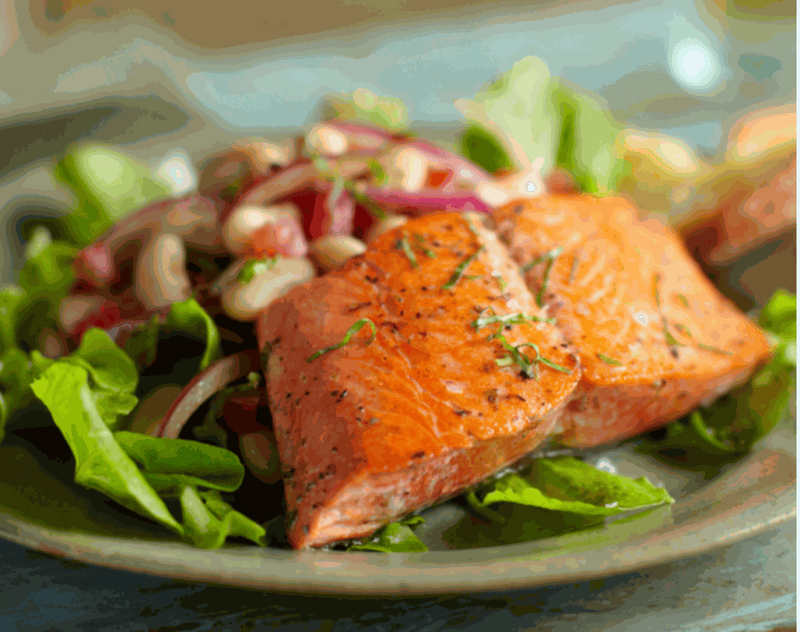
Wild Caught Alaskan Sockeye Salmon
From $147.50
Sashimi-grade wild sockeye, cut your way — portions, fillets, or whole. Blast-frozen at peak freshness, shipped on dry ice.
Shop Wild Sockeye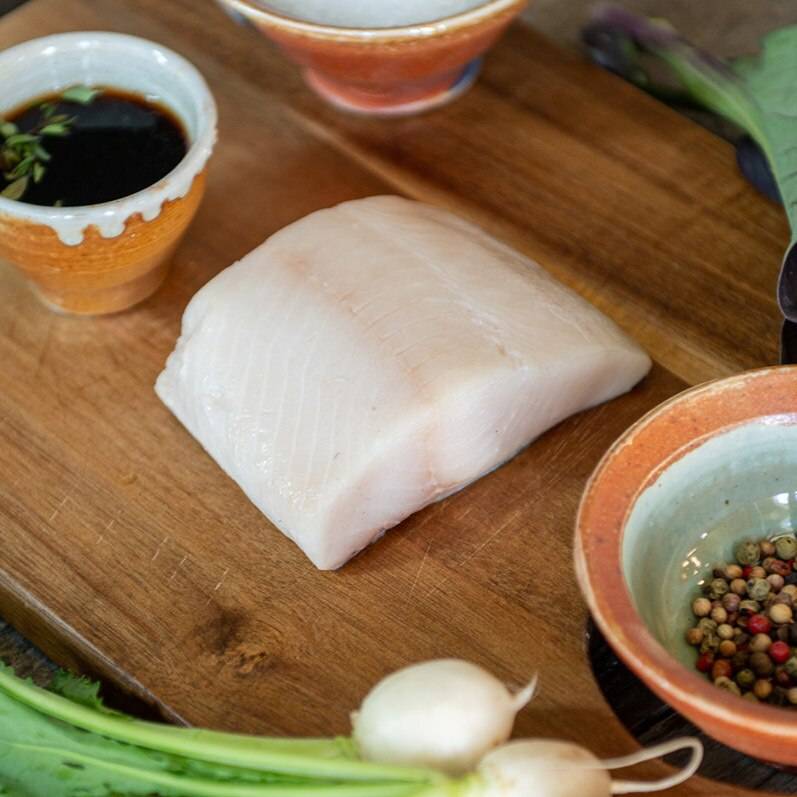
Wild Caught Alaskan Sablefish (Black Cod)
From $155.00
The sushi bar's buttery secret — silky wild sablefish, blast-frozen in portion sizes. Pair it with sockeye when the current product-page options allow, and review the live price before ordering.
Shop Wild Sablefish“Sushi-Grade Salmon Near Me”: Where to Actually Find It
If you've searched for sushi-grade salmon near you, you've probably discovered the problem: most grocery seafood counters won't label anything for raw consumption, and the staff often can't tell you whether a fillet was frozen to FDA guidance. Here's the honest lay of the land:
| Source | What you'll find | What to ask |
|---|---|---|
| Supermarket counter | Rarely labeled for raw eating; “fresh” case fish is usually not appropriate for sashimi | “Was this frozen to FDA parasite-destruction standards? Would you sell it to eat raw?” |
| Japanese / Asian market | Often the best local option — sashimi blocks in the freezer case, staff who know exactly what you mean | Same question; expect a confident yes on labeled sashimi items |
| Warehouse clubs | Frozen wild salmon that may meet the letter of the freezing rule, but handling history is unknown | Whether the fish was bled and frozen quickly enough for raw-quality texture |
| Direct from the fishery (us) | Sashimi-grade wild sockeye, blast-frozen at peak freshness, shipped frozen on dry ice to all 50 states | Nothing — the answers are published on this page |
The quiet advantage of ordering direct: frozen-on-dry-ice delivery isn't a compromise for sashimi — it's the ideal. The fish arrives in exactly the state the FDA freezing rule requires, with zero days spent thawed in a display case, and you control the thaw from there.
Sashimi-grade wild sockeye, from our family's boats to your door.
Blast-frozen at peak freshness. Shipped on dry ice. No subscription required.
How to Thaw, Slice & Serve Sashimi at Home
Thaw it cold and slow
Before refrigerator thawing, open or remove the vacuum packaging. Place the portion in a shallow covered container, keep it refrigerated, and follow any package or processor instructions. Never thaw on the counter or use warm water. Our thawing guide covers the details. One raw-prep-specific note: once thawed, slice and serve the same day.
Chill everything, then slice against the grain
Sashimi rewards a cold fillet, a clean cutting board, and your sharpest knife. Work with the salmon straight from the refrigerator — near-frozen fish slices cleaner. If your fillet has skin, remove it first, then run your fingers along the flesh and pull any pin bones. Slice against the grain at a slight angle, about ¼-inch thick, letting the knife draw through in one long stroke rather than sawing.
Serve it simply
Classic sashimi wants nothing more than soy sauce, a whisper of wasabi, and maybe pickled ginger. From there the same fish carries a poke bowl, nigiri over seasoned rice, or a chirashi scatter. Deep-red sockeye makes the most striking raw plate in the salmon world — it needs no help looking intentional.
Frequently Asked Questions
Is “sushi-grade” an official or regulated term?
No. No U.S. agency defines or certifies “sushi-grade” or “sashimi-grade” fish. The terms are a seller's declaration that the fish is safe to eat raw — meaningful exactly to the degree the seller's handling and freezing practices back it up. What matters is whether the fish was frozen to FDA parasite-destruction guidance.
Can I use Popsie sockeye for sushi and sashimi?
Yes. We sell our Bristol Bay wild sockeye as sashimi-grade: it's bled at capture, processed within hours, blast-frozen, and kept frozen on dry ice through delivery. Before refrigerator thawing, open or remove the vacuum packaging, place the fish in a shallow covered container, keep it refrigerated, and follow any package or processor instructions.
Can you eat salmon raw from the grocery store?
Only if the store confirms it was frozen to FDA parasite-destruction standards and will stand behind raw consumption — most supermarket “fresh” salmon doesn't qualify and isn't intended for raw eating. When in doubt, cook it, or buy fish explicitly sold for raw use.
Doesn't freezing ruin the texture for sashimi?
Slow freezing in a home freezer can — large ice crystals rupture cells. Commercial blast-freezing at very low temperatures forms much smaller crystals, preserving the firm, sliceable texture sashimi needs. Virtually all salmon served in sushi restaurants was previously frozen this way.
How long after thawing can salmon be eaten raw?
Plan to slice and serve the same day it finishes thawing, and keep it refrigerated below 40°F until the moment you slice. Freezing handles parasites, but time and temperature after the thaw are about bacteria — treat raw fish with the same urgency as any raw protein.
Is wild or farmed salmon better for sushi?
Once either has been properly frozen, parasites are a settled question — so it comes down to the fish. Wild sockeye brings deeper color, firmer texture, and fuller flavor than farmed Atlantic, which is softer, paler, and milder. For a raw plate where the fish is the whole show, sockeye is the stronger choice.
What about parasites like anisakis or tapeworm?
Wild fish can carry them, which is precisely why the FDA freezing protocols exist: holding fish at −4°F for 7 days, or blast-freezing at −31°F and holding per the guidance, destroys parasites as reliably as cooking. Properly frozen fish is how sushi restaurants serve raw salmon safely every day.
Is the salmon at sushi restaurants frozen?
Almost always, yes — and that's the system working. The FDA Food Code requires fish served raw to be frozen for parasite destruction (with narrow exceptions that don't apply to salmon), so your favorite sushi bar's salmon was frozen at sea or by its supplier before it ever hit the rice.
Keep Reading
References & Citations
- U.S. Food & Drug Administration. Fish and Fishery Products Hazards and Controls Guidance — parasite hazards and control via freezing; no regulatory definition of “sushi-grade.” fda.gov
- U.S. Food & Drug Administration. FDA Food Code, §3-402.11 — Parasite Destruction: freezing time and temperature requirements for raw or undercooked fish. fda.gov
- U.S. Food & Drug Administration. Selecting and Serving Fresh and Frozen Seafood Safely — consumer guidance on raw seafood and at-risk groups. fda.gov
- Centers for Disease Control and Prevention. Anisakiasis — parasite acquired from raw or undercooked fish; prevented by adequate freezing or cooking. cdc.gov
Ready to slice your own?
Wild Bristol Bay sockeye, sold as sashimi-grade because it's handled that way — bled at capture, blast-frozen at peak, shipped frozen to your door.