
Nutrition Guide
Health Benefits of Wild Caught Alaskan Salmon: The Complete Nutrition Guide
What wild Alaskan salmon gives you that a supplement doesn’t — heart, brain, joints, pregnancy, and beyond.
Medical disclaimer: This guide is for educational purposes only and is not a substitute for professional medical advice. If you are pregnant or breastfeeding, take blood thinners, or have a health condition, talk with your doctor or a registered dietitian before changing your diet.
Key Takeaways
- Omega-3s by the Numbers: A 6 oz cooked serving of wild sockeye has about 1,500 mg of EPA + DHA omega-3s (USDA); each 6 oz raw portion holds about 1,200 mg
- Heart & Brain Health: Eating fish 1–2 times a week is associated with a 36% lower risk of dying from coronary heart disease, and higher fish intake is associated with lower rates of dementia and depression in observational studies
- Joints & Inflammation: In clinical trials, omega-3 supplements reduced joint pain and morning stiffness in rheumatoid arthritis
- Safe During Pregnancy: Salmon is an FDA/EPA “Best Choice” (0.022 ppm mercury on average) and supplies DHA, which builds up fastest in the baby’s brain during the third trimester
- Vs. Supplements: Salmon delivers EPA and DHA plus protein, vitamin D, vitamin B12 and selenium that fish oil capsules don’t
- Species Matters: Gram for gram, wild sockeye has about 3.7 times the EPA + DHA of halibut and about 5 times that of Pacific cod (USDA, cooked)
Quick Navigation
Omega-3 Deep Dive: EPA & DHA Explained
When nutritionists talk about salmon being a "superfood," they're primarily referring to its exceptional omega-3 polyunsaturated fat content. But not all omega-3s are created equal—and understanding the difference between EPA, DHA, and other omega-3 forms will help you make informed choices about your diet.
What Are EPA and DHA?
EPA (eicosapentaenoic acid) and DHA (docosahexaenoic acid) are the two most bioactive forms of omega-3 fatty acids. Unlike ALA (alpha-linolenic acid) found in plant sources like flaxseed and walnuts, EPA and DHA are long-chain omega-3s that your body can use immediately without conversion—making them significantly more potent.
EPA is studied mainly for heart health and mood. In clinical trials, long-chain omega-3 supplements at 0.5 to more than 5 g a day lowered triglycerides by about 15% (Cochrane review of 86 trials, 2020).
DHA is especially concentrated in the brain and retina, and it builds up fastest in a baby’s brain during the third trimester (NIH). In the Framingham Heart Study, older adults with the highest blood DHA had a 47% lower risk of dementia (Schaefer et al., 2006).
A 6 oz cooked serving of wild sockeye has about 1,500 mg of EPA + DHA (USDA). Each 6 oz raw portion holds about 1,200 mg and cooks down to roughly 5 oz with the same omega-3s. There is no official daily requirement for EPA or DHA; the American Heart Association recommends 2 servings of fish a week.
Wild Salmon vs. Omega-3 Supplements: How Do They Compare?
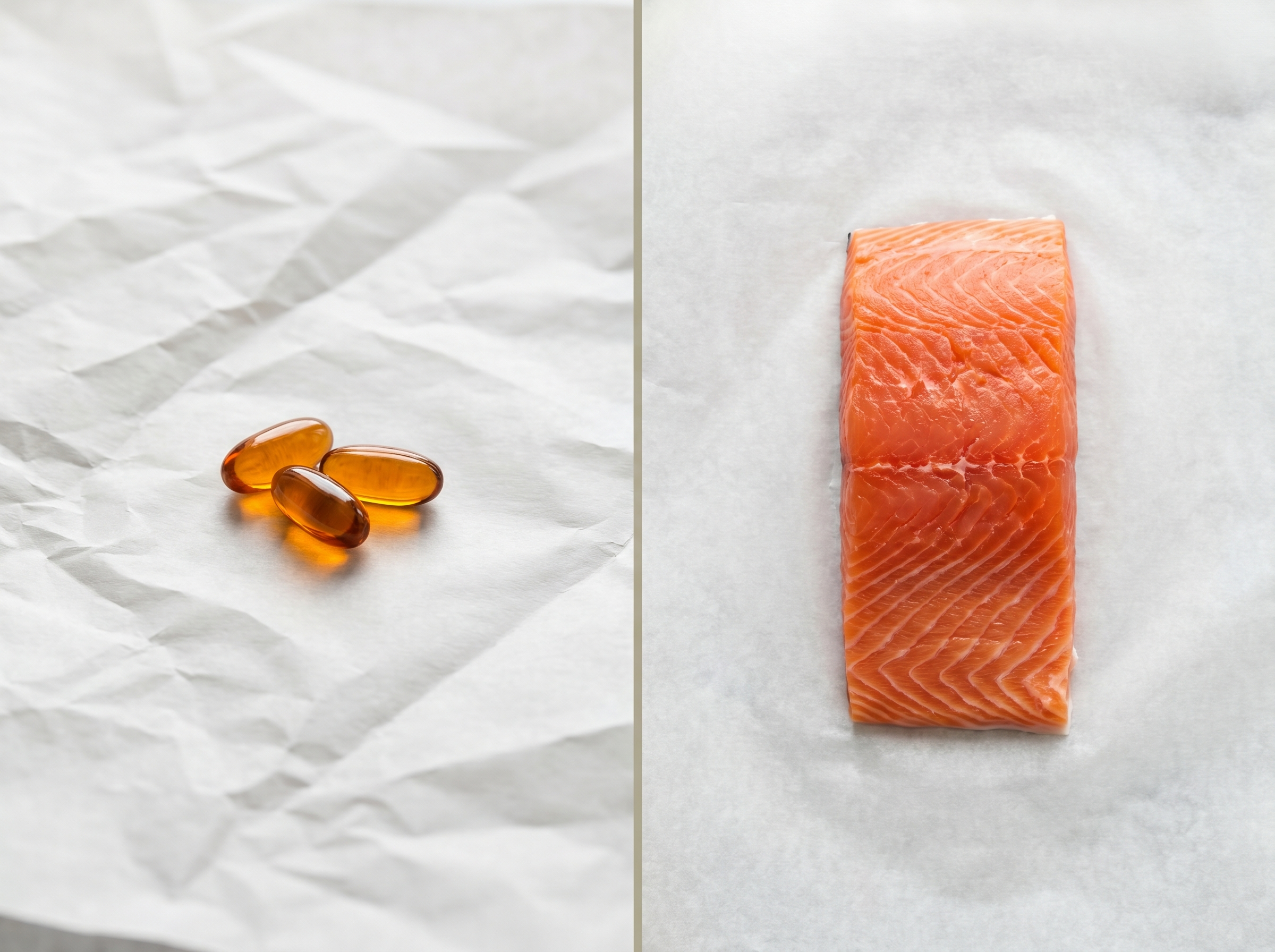
While fish oil supplements are popular, whole food salmon offers distinct advantages. Here's how they stack up:
| Factor | Wild Sockeye (6 oz cooked) | Fish Oil Capsules (2 caps/day) | Krill Oil (2 caps/day) | Flaxseed (2 tbsp) |
|---|---|---|---|---|
| EPA+DHA Content | ~1,500 mg | Varies by product (check the label) | Varies by product (check the label) | ~4.7 g ALA; no EPA or DHA (the body converts under 15%) |
| Protein Content | ~45g (complete) | 0g | 0g | Small amount (incomplete) |
| Selenium | ~110% DV | Minimal | Minimal | Minimal |
| Vitamin D | ~1,140 IU | Varies (often added) | Minimal | None |
| B Vitamins (B6, B12) | B12 ~317% DV; B6 ~82% DV | None | None | Minimal |
| Fish Aftertaste | Fresh, mild (when prepared well) | Yes, common complaint | Less common than fish oil | None |
| Cost (per dose) | $8-15 | $0.30-0.50 | $0.40-0.80 | $0.50-1.00 |
| Shelf Stability | Requires freezing/refrigeration | Room temperature, 2+ year shelf life | Room temperature, 2+ year shelf life | Requires refrigeration (oxidizes quickly) |
Why Wild Salmon Wins Over Supplements
Fish oil supplements are convenient, but they lack the nutrient synergy of whole food salmon. When you eat wild salmon, you're not just getting omega-3s—you're getting:
- Astaxanthin: The natural carotenoid from the salmon’s diet that gives sockeye its deep red color
- Selenium: A trace mineral critical for thyroid function and antioxidant defense (a 6 oz cooked serving of sockeye has about 60 mcg, 110% of the Daily Value)
- Vitamin D3: Supports calcium absorption, immune function, and mood (fish are one of the few whole food sources)
- Complete Protein: About 45 g per 6 oz cooked serving, with all 9 essential amino acids, supporting muscle, bone, and hormone synthesis
- B Vitamins: B6, B12, niacin, and pantothenic acid for energy metabolism and nerve function
- Choline: Essential for brain health, liver function, and muscle control
- Potassium: For cardiovascular and electrolyte balance
Most supplements provide omega-3s in isolation. In a small 2003 study, salmon raised blood EPA and DHA as much as two- and nine-fold higher doses given as ethyl-ester capsules (Visioli et al., Lipids).
ALA vs EPA/DHA: Why Plant Sources Fall Short
Vegetarian omega-3 sources like flaxseed, chia, and walnuts contain ALA (alpha-linolenic acid). While ALA is an essential omega-3, your body must convert it to EPA and DHA to reap the primary health benefits. This conversion is very limited—NIH reports conversion rates below 15%.
For this reason, the American Heart Association recommends 2 servings of fish a week, particularly fatty fish.
Recommended Daily Intake
The American Heart Association (AHA) recommends:
- Healthy adults: 2 servings of fish (particularly fatty fish) a week; a serving is 3 oz cooked. The AHA sets no mg-per-day target for healthy adults.
- People with heart disease or high triglycerides: higher omega-3 doses are a matter for their doctor.
For pregnancy and nursing: There is no U.S. RDA for DHA. An FAO expert consultation advises at least 300 mg a day of EPA + DHA in pregnancy, including 200 mg DHA; FDA and the Dietary Guidelines advise 8–12 oz a week of lower-mercury fish in pregnancy and breastfeeding.
Two 6 oz cooked servings of wild sockeye a week supply about 2,900 mg of EPA + DHA—about 420 mg a day on average—and meet the AHA’s 2-servings-a-week advice.
Pro Tip: If you choose to supplement with fish oil, check the label for EPA + DHA per serving, refrigerate after opening to prevent oxidation, and talk with your doctor if you take blood thinners. Whole salmon also brings protein, vitamin D, B12 and selenium.
Complete Nutrition Profile of Wild Alaskan Salmon
Wild Alaskan salmon is one of the most nutrient-dense protein sources available. A single 6oz (170g) serving of sockeye salmon delivers a comprehensive profile of vitamins, minerals, and beneficial compounds that support every system in your body.
Wild Sockeye Salmon Nutrition (Per 6 oz Cooked Serving, USDA)
| Nutrient | Amount | % Daily Value | Key Benefit |
|---|---|---|---|
| Protein | 45g | 90% | Complete amino acid profile for muscle, bone, and hormone synthesis |
| Omega-3 (EPA+DHA) | ~1,500 mg | No DV | Heart, brain, and anti-inflammatory support |
| Calories | 265 | 13% (2,000 cal diet) | Calorie-dense nutrition for sustained energy |
| Fat (Total) | 9.5g | 12% | Mostly heart-healthy monounsaturated and polyunsaturated fats |
| Saturated Fat | 1.6g | 8% | Low in saturated fat |
| Selenium | 60 mcg | 110% | Antioxidant, thyroid function, immune support |
| Vitamin D3 | 1,140 IU (28 mcg) | 142% | Calcium absorption, immune function, mood regulation |
| Vitamin B12 | 7.6 mcg | 317% | Energy, nerve function, DNA synthesis |
| Vitamin B6 | 1.4 mg | 82% | Brain development, immune function, mood regulation |
| Niacin (B3) | 17.2 mg | 108% | Energy metabolism, DNA repair, cardiovascular health |
| Potassium | 741 mg | 16% | Blood pressure regulation, electrolyte balance |
| Astaxanthin | Not listed by USDA | — | Natural carotenoid that gives sockeye its deep red color |
| Choline | 192 mg | 35% | Brain health, liver function, cell membrane integrity |
A practical tip for cooking your fillet: you can eat the skin. Salmon skin is edible and crisps nicely in the pan.
How Wild Sockeye Compares to Other Fish
Gram for gram, wild sockeye has about 3.7 times the EPA + DHA of halibut and about 5 times that of Pacific cod (USDA, cooked). Farmed Atlantic salmon has more EPA + DHA than sockeye because it is much fattier; sockeye is leaner, with fewer calories and less saturated fat. See the wild vs farmed comparison and the species comparison below.
Key Micronutrients Explained
Selenium (110% DV per 6 oz cooked serving): This trace mineral is a cofactor for selenoproteins, which serve as antioxidants and protect your cells from oxidative damage. Selenium also supports thyroid function.
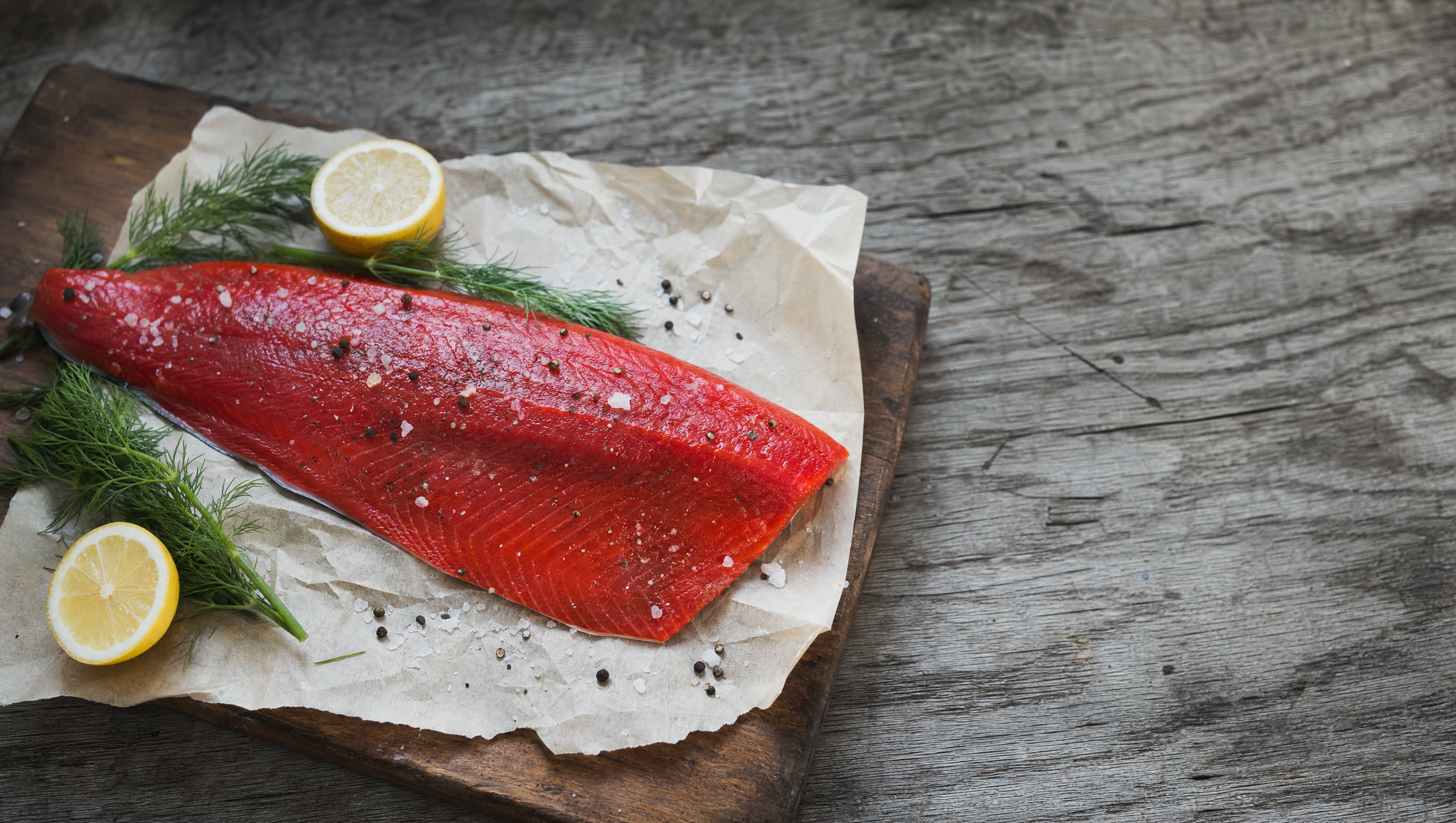
Astaxanthin: The carotenoid responsible for sockeye’s deep red color comes from the krill and other small prey in the salmon’s natural diet.
Choline (about 192 mg per 6 oz cooked serving, 35% DV): Often overlooked but critical for brain health. Choline is a precursor to acetylcholine (a neurotransmitter essential for memory and learning) and is especially important during pregnancy and early childhood for fetal brain development.
Heart Health Benefits: Cardiovascular Research
Cardiovascular disease remains the leading cause of death globally. Decades of research link eating fish regularly to a lower risk of dying from heart disease, and scientists have studied several ways omega-3s may help.
How Omega-3s Protect Your Heart
Researchers have studied several ways EPA and DHA may support cardiovascular health:
- Reduces Triglycerides: Triglycerides are a type of blood fat; high levels increase heart disease risk. A 2020 Cochrane review of 86 trials found long-chain omega-3s (mostly supplements, 0.5 to more than 5 g a day) lowered triglycerides by about 15%.
- Blood Pressure: Omega-3s may help blood vessels relax, which can modestly support healthy blood pressure.
- Reduces Blood Clotting: Omega-3s have mild anticoagulant properties, reducing the risk of dangerous blood clots that can lead to heart attack or stroke.
- Decreases Inflammation: Chronic low-grade inflammation is now recognized as a major driver of atherosclerosis. EPA and DHA reduce inflammatory markers like IL-6 and TNF-alpha.
- Improves Endothelial Function: The endothelium (inner lining of blood vessels) produces nitric oxide, which regulates blood flow and vessel tone. Omega-3s may support this function.
- Heart Rhythm: Eating fish has been associated with a lower risk of sudden cardiac death (see the Physicians’ Health Study below).
Clinical Evidence: The Research
36%
Lower risk of coronary death linked to eating fish 1–2 times a week (Mozaffarian & Rimm, 2006)
Triglycerides: A Major Risk Factor Often Overlooked
While cholesterol gets most of the attention, elevated triglycerides are equally dangerous. High triglycerides increase inflammation, raise blood pressure, and accelerate plaque formation in arteries. Many people with normal cholesterol but elevated triglycerides have hidden cardiovascular risk.
Long-chain omega-3s do lower triglycerides: across 86 trials, mostly of supplements at 0.5 to more than 5 g a day, they lowered triglycerides by about 15% (Cochrane review, 2020). If your triglycerides are high, work with your doctor on the right approach.
For people with genetic predisposition to high triglycerides or metabolic syndrome, regular wild salmon consumption becomes particularly important.
Beyond Omega-3s: Additional Heart-Protective Nutrients
While omega-3s are the headline nutrient, salmon's cardiac benefits extend beyond EPA and DHA:
- Potassium (16% DV): Counterbalances sodium and helps regulate blood pressure through vasodilation effects
- Selenium (110% DV per 6 oz cooked): A component of glutathione peroxidase, which protects blood vessels from oxidative stress
- Vitamin D: Low vitamin D levels correlate with hypertension and heart disease; salmon helps optimize D status
Real-World Impact: The American Heart Association recommends 2 servings of fish (particularly fatty fish) a week; a serving is 3 ounces cooked. Wild sockeye twice a week fits that advice.
A Note on Fish Oil vs. Whole Salmon
While fish oil supplements can lower triglycerides, the American Heart Association’s advice is built around eating seafood 1–2 times a week, especially in place of less healthy foods. Whole fish also brings protein, vitamin D, B12 and selenium that capsules lack.
Brain & Cognitive Health: Omega-3 and Mental Performance
DHA is especially concentrated in the brain and retina (NIH), where it is part of nerve-cell membranes. In observational studies, people who eat more fish tend to have lower rates of dementia and depression (see below).
DHA and Cognitive Development
DHA builds up fastest in a baby’s brain during the third trimester and keeps accumulating through the first 2 years after birth (NIH). Much of the human evidence on fish and children’s development comes from pregnancy:
For this reason, maternal fish consumption during pregnancy and lactation matters—and salmon is one of the lowest-mercury options available.
Memory, Learning, and Neuroprotection
DHA supports multiple mechanisms of cognitive health in adults:
- Synaptic Plasticity: DHA is incorporated into cell membranes and increases neuronal flexibility—the ability of neurons to form new connections. This is fundamental to learning and memory formation.
- Neurotrophic Support: DHA upregulates brain-derived neurotrophic factor (BDNF), a protein that promotes neuron growth and survival.
- Neuroinflammation Reduction: EPA reduces microglial activation and inflammatory cytokines in the brain, protecting against age-related neurodegeneration.
- Mitochondrial Protection: DHA protects mitochondrial function, ensuring neurons maintain energy production for memory and executive function.
60%
Lower Alzheimer risk linked to eating fish at least weekly, in a Chicago study of 815 older adults (Morris et al., 2003)
Depression and Mood Disorders
Epidemiological studies have found that people who eat more fish tend to have lower rates of depression, though not every study agrees.
Mechanistically, EPA and DHA may reduce depression through several pathways:
- Serotonin Modulation: DHA enhances serotonin receptor function and increases cerebrospinal fluid serotonin levels
- Anti-Inflammation: Depression is increasingly recognized as involving neuroinflammation; omega-3s reduce this
- Neuroplasticity: DHA supports BDNF, which enhances the brain's ability to form new neural pathways—the basis of cognitive therapy
- Membrane Fluidity: Proper neuronal membrane composition (supported by adequate DHA) is essential for optimal neurotransmitter signaling
Several clinical trials have tested omega-3 supplementation as an adjunct to antidepressants. Results have been mixed but promising, suggesting omega-3 may enhance treatment response, particularly when fish oil is combined with SSRIs.
Alzheimer's Prevention and Cognitive Aging
The most feared aspect of aging is cognitive decline. While genetics play a role, dietary factors—including omega-3 intake—are being studied for their role in brain aging.
Researchers think any protection may work through several mechanisms: reducing amyloid-beta accumulation, supporting autophagy (cellular cleanup), reducing neuroinflammation, and preserving white matter integrity (the insulation on neurons that allows fast signal transmission).
Brain Investment: Think of omega-3s as preventive maintenance for your brain. Starting in childhood and continuing through adulthood, regular fish intake is associated with lower risk of cognitive decline and depression in observational studies.
For a deeper dive into the cardiovascular and cognitive research, including specific dosage guidance and the latest clinical trial data, see our complete heart and brain health guide.
Joint & Inflammation Support: The Anti-Inflammatory Power of Salmon
Chronic inflammation is linked to many modern diseases—from arthritis and autoimmune conditions to cardiovascular disease. While acute inflammation is protective, chronic low-grade inflammation can damage tissue over decades. The omega-3s in salmon are among the most studied dietary factors for inflammation.
How Omega-3s Reduce Inflammation
EPA and DHA work through sophisticated biochemical pathways to actively reduce inflammation—not just by avoiding pro-inflammatory foods, but by producing anti-inflammatory metabolites:
- Specialized Pro-Resolving Mediators (SPMs): Your body converts EPA and DHA into molecules called resolvins, protectins, and maresins. These SPMs actively terminate inflammation by signaling immune cells to stop producing inflammatory cytokines and begin tissue repair. This is fundamentally different from NSAIDs, which block pain without addressing resolution.
- Reduces IL-6 and TNF-alpha: These pro-inflammatory cytokines drive rheumatoid arthritis, inflammatory bowel disease, and aging-related inflammation. Omega-3s have lowered these markers in some studies.
- Lowers C-Reactive Protein (CRP): CRP is a marker of systemic inflammation; elevated levels predict heart disease and cognitive decline. Some studies find omega-3 intake is associated with lower CRP.
- Inhibits NF-κB Pathway: NF-κB is the "master switch" for inflammatory gene expression. Omega-3s suppress this pathway, reducing production of inflammatory mediators at the transcriptional level.
Rheumatoid Arthritis and Joint Health
Rheumatoid arthritis (RA) is an autoimmune condition where the immune system attacks joint tissue, causing inflammation, pain, and progressive joint destruction. Many clinical trials have tested omega-3 supplements in RA patients:
Those trials used supplements, not fish, so they don’t show that eating salmon has the same effect. Salmon does supply EPA and DHA (about 1,500 mg per 6 oz cooked serving of sockeye) plus high-quality protein to support muscle maintenance (RA patients often lose muscle) and selenium. If you have RA, talk with your doctor about omega-3s.
General Joint Health and Exercise Recovery
Even for people without diagnosed arthritis, omega-3s are being studied for exercise-induced inflammation and recovery. Some athletes who take omega-3s report:
- Reduced delayed-onset muscle soreness (DOMS) after intense training
- Faster recovery of range of motion
- Lower injury incidence rates
- Improved tendon and ligament integrity
Additionally, salmon's high protein content supports muscle synthesis, and selenium plays a critical role in selenoproteins that protect joint tissue from oxidative damage.
For Joint Health: Eating salmon regularly is a simple way to get omega-3s, which are being studied for joint comfort and exercise recovery. If you have arthritis, ask your doctor whether a supplement makes sense for you.
Pregnancy & Child Development: DHA for Brain Development
Pregnancy is a critical window for fetal brain development. DHA accumulates in the baby’s brain most rapidly during the third trimester and keeps building through the first 2 years after birth (NIH)—a period of rapid brain growth. FDA notes moderate scientific evidence that eating fish during pregnancy can help a baby’s cognitive development.
DHA Requirements During Pregnancy
There is no U.S. RDA for DHA. Expert groups advise:
- FAO expert consultation: at least 300 mg EPA + DHA a day in pregnancy, including 200 mg DHA
- EFSA (Europe): 250 mg EPA + DHA a day for all adults, plus an extra 100–200 mg DHA in pregnancy
A 6 oz cooked serving of wild sockeye has about 950 mg of DHA. Two 6-oz cooked servings a week supply about 1,900 mg—about 270 mg a day on average. U.S. agencies express their advice as 8–12 oz of lower-mercury fish a week.
Impact on Fetal Brain Development
Research on DHA and omega-3s in pregnancy has looked at:
- Cognitive Outcomes: In observational studies, more seafood in pregnancy has been associated with better scores on child development tests (see the ALSPAC study below).
- Preterm Birth: A 2018 Cochrane review of 70 trials (mostly supplements, not fish) found long-chain omega-3s in pregnancy reduced preterm birth by 11% and early preterm birth (before 34 weeks) by 42%.
- Vision Development: DHA is especially concentrated in the retina (NIH).
Mercury Concerns: Why Wild Salmon Is Safe
A common concern about fish consumption during pregnancy is mercury contamination. However, salmon is among the lowest-mercury fish (FDA averages shown):
| Fish Type | Mercury Content (ppm) | Safety During Pregnancy |
|---|---|---|
| Salmon (fresh/frozen, wild and farmed) | 0.022 ppm | Best Choice—2–3 servings a week |
| Cod | 0.111 ppm | Best Choice—2–3 servings a week |
| Tuna (canned light) | 0.126 ppm | Best Choice—2–3 servings a week |
| Halibut | 0.241 ppm | Good Choice—1 serving a week, no other fish that week |
| Tuna (canned albacore) | 0.350 ppm | Good Choice—1 serving a week, no other fish that week |
| Shark | 0.979 ppm | Avoid during pregnancy |
| King Mackerel | 0.73 ppm | Avoid during pregnancy |
FDA and EPA advise pregnant women to eat 8–12 oz (2–3 servings) a week from the “Best Choices” list, which includes salmon, or 1 serving from the “Good Choices” list and no other fish that week. Sources: FDA Mercury Levels in Commercial Fish and Shellfish (1990–2012); FDA/EPA Advice about Eating Fish (revised October 2021).
Postpartum Benefits: Mood and Recovery
Beyond fetal development, researchers are studying whether maternal omega-3 status affects postpartum mood. Maternal DHA is transferred to the baby during pregnancy and into breast milk afterward.
Eating salmon regularly during pregnancy and breastfeeding is a simple way to keep DHA in your diet. If you notice signs of postpartum depression, talk with your doctor.
Safe and Optimal: Wild Alaskan salmon is one of the safest, most nutrient-dense foods available during pregnancy—low in mercury, a source of DHA (about 950 mg per 6 oz cooked serving of sockeye), protein and micronutrients. Aim for 2–3 servings (8–12 oz) a week, cooked to 145°F, throughout pregnancy and breastfeeding.
Wild vs Farmed Salmon: Nutritional & Safety Comparison
The wild vs farmed salmon debate can be confusing. While both provide omega-3s, they differ significantly in nutrient density, contaminant profiles, and environmental sustainability. Here's a detailed comparison to help you understand the key differences.
Nutritional Comparison
| Nutrient (per 6 oz cooked, USDA) | Wild Sockeye | Farmed Atlantic | Difference |
|---|---|---|---|
| EPA+DHA (Omega-3) | ~1,500 mg | ~3,700 mg | About 2.5x farmed |
| Protein | 45g | 38g | +18% wild |
| Calories | 265 | 350 | +32% farmed |
| Total Fat | 9.5g | 21g | About 2.2x farmed |
| Astaxanthin | Natural, from diet | Added to feed | — |
| Saturated Fat | 1.6g | 4.0g | About 2.5x farmed |
| Vitamin D | ~1,140 IU | ~890 IU | +27% wild |
Summary: Farmed Atlantic salmon carries more EPA + DHA per serving because it is much fattier. Wild sockeye is leaner, with fewer calories, less fat and saturated fat, more protein and more vitamin D (USDA). Farmed salmon’s omega-3 levels have also fallen as feeds replaced fish oil with plant ingredients (Sprague et al., 2016).
Contaminant & Safety Comparison
| Factor | Wild Alaskan Salmon | Farmed Atlantic Salmon |
|---|---|---|
| Mercury | 0.022 ppm (FDA average for all fresh/frozen salmon) | 0.022 ppm (FDA does not report wild and farmed separately) |
| Polychlorinated Biphenyls (PCBs) | Lower (Hites et al., 2004) | Significantly higher in the same 2004 study |
| Pesticide Residues | Minimal | Low levels (aquaculture treatments) |
| Antibiotics | None | May be used; low residues in final product |
| Food Coloring (Astaxanthin) | Natural (from algae in wild diet) | Synthetic or derived from added supplements |
| Parasites/Pathogens | Freezing standard; rare issues | Vaccination/antibiotic protocols; escapes risk disease transfer |
PCB Difference Explained: A 2004 study in Science (Hites et al.) that analyzed more than 2 metric tons of salmon found PCBs and other organochlorine contaminants significantly higher in farmed than in wild salmon, largely from feed. Both fall under FDA’s 2 ppm tolerance for PCBs in fish, and the study reflects farm feeds of that era.
Sustainability & Environmental Impact
Beyond nutrition and safety, environmental impact differs significantly:
- Wild Alaskan Salmon: Sustainably managed through strict catch limits based on spawning populations. Alaska's fisheries are among the most conservatively managed in the world. However, overfishing of other stocks and bycatch remain concerns in certain regions.
- Farmed Atlantic Salmon: Intensive aquaculture can cause water pollution, disease spread to wild populations, and escapes. However, farmed salmon has a lower environmental footprint per pound than beef or chicken in terms of land use and feed conversion efficiency.
Popsie Fish Co sells wild Bristol Bay sockeye, caught by our family in a sustainably managed fishery.
Note: Both wild and farmed salmon are safe for consumption. Farmed salmon has more omega-3s; wild sockeye is leaner and had lower contaminant levels in the 2004 Hites study.
Cost-Benefit Analysis
Wild salmon typically costs 30-50% more than farmed. Is the premium worth it?
- For General Health: Both wild and farmed salmon provide EPA + DHA omega-3s. If budget is limited, farmed salmon is still a nutritious choice that far exceeds chicken or beef in omega-3 content.
- For Pregnancy: Both wild and farmed salmon are FDA/EPA Best Choices. Wild salmon had lower contaminant levels in the 2004 Hites study, but farm feeds have changed since, so that study is not a guide to farmed salmon today.
- For Those with High Disease Risk: If you have diagnosed cardiovascular disease, arthritis, or depression, talk with your doctor about how much omega-3 you need; both wild and farmed salmon supply EPA and DHA.
- For Sustainability-Focused Consumers: If environmental impact is a priority, wild Alaskan salmon from Bristol Bay and similar sustainably-managed fisheries is the clear choice.
Bottom Line: Wild Alaskan salmon is leaner, had lower contaminant levels in the 2004 Hites study, and comes from sustainably managed fisheries. Those differences, plus its robust flavor, are why many families choose it for regular meals.
For more detailed information on this topic, see our complete Wild vs Farmed Salmon comparison guide.
Salmon Species Comparison: Finding Your Optimal Fish
Wild Alaskan salmon is a well-known source of omega-3s, but it’s helpful to understand how other North Pacific fish compare. Depending on your taste preferences, budget, and specific health goals, different species offer distinct benefits.
| Species | EPA+DHA per 6 oz cooked (USDA) | Protein | Flavor Profile | Best For | Cost/Availability |
|---|---|---|---|---|---|
| Sockeye Salmon | ~1,500 mg | 45g | Rich, deep flavor | Vitamin D (highest of the salmon USDA lists); heart and brain health | Premium; widely available |
| Halibut | ~400 mg | 38g | Mild, flaky, delicate | Omega-3 beginners; those who dislike strong fish flavor | Moderate; seasonal |
| Pacific Cod | ~270 mg | 32g | Mild, tender | Budget-conscious; children; mild flavor preference | Budget-friendly; reliable |
| Sablefish (Black Cod) | ~3,000 mg | 29g | Buttery, rich | Most omega-3s of the fish here; buttery texture | Premium; less available |
| Pink Salmon | ~1,000 mg | 42g | Delicate, slightly sweet | Value option; canning; milder preference | Budget; excellent value |
Species Recommendations by Health Goal
- Heart Health: Sablefish (about 3,000 mg EPA + DHA per 6 oz cooked) or sockeye (about 1,500 mg). The AHA recommends fish twice a week.
- Arthritis & Inflammation: Sablefish or sockeye for their EPA + DHA. The joint-pain trials used supplements, so ask your doctor about dose.
- Cognitive Health & Depression: Sablefish (about 1,600 mg DHA per 6 oz cooked) or sockeye (about 950 mg).
- Pregnancy & Fetal Development: Sockeye, an FDA/EPA “Best Choice,” with about 950 mg DHA per 6 oz cooked serving. Sablefish has more DHA but is a “Good Choice”: 1 serving a week, and no other fish that week.
- Budget-Conscious but Health-Focused: Pacific cod (about 270 mg EPA + DHA and 32 g protein per 6 oz cooked) or canned pink salmon. For more strategies on eating wild seafood affordably, see our complete budget guide.
- Texture Preference (Buttery Rather Than Flaky): Sablefish—about twice the EPA + DHA of sockeye, with a soft, buttery texture.
- Omega-3 Beginners (Taste Concerns): Halibut (mild flavor, about 400 mg EPA + DHA per 6 oz cooked) or Pacific cod (about 270 mg). Less "fishy," gentler introduction.
Popsie sells wild sockeye, halibut, Pacific cod and sablefish—explore the range to find the one that best matches your health goals and taste preferences.
How Much Salmon Should You Eat? Evidence-Based Recommendations
The question isn't "Is salmon healthy?" but rather "How much should I eat to reap maximum benefits?" Research provides clear guidance.
Official Health Organization Recommendations
- American Heart Association (AHA): 2 servings of fish (particularly fatty fish) a week; a serving is 3 oz cooked
- Dietary Guidelines for Americans (as summarized by FDA): at least 8 oz of seafood a week for adults; 8–12 oz a week of lower-mercury fish in pregnancy and breastfeeding
- EFSA (Europe): an adequate intake of 250 mg EPA + DHA a day for adults. The U.S. has no RDA for EPA or DHA.
Practical Weekly Plans
Baseline Health Maintenance (General Population):
- 2 servings per week of wild salmon (6 oz each = 12 oz weekly) OR
- 2–3 servings per week of cod (halibut and sablefish are FDA “Good Choices”: 1 serving a week)
Cardiovascular Disease Prevention or Risk Reduction:
- At least 2 servings of fatty fish a week, as the AHA recommends; the AHA’s 2018 advisory supports 1–2 seafood meals a week
- Ask your doctor before adding a fish oil supplement or a higher dose
Arthritis, Depression, or Cognitive Health:
- At least 2 servings of fatty fish a week; talk with your doctor before taking high-dose supplements
Pregnancy & Postpartum:
- 2–3 servings (8–12 oz) a week from FDA “Best Choices” like salmon and cod; halibut and sablefish are “Good Choices”—1 serving a week, and no other fish that week
- If you don’t eat fish, ask your provider about a DHA supplement
Safety Limits: How Much Is Too Much?
Is there an upper limit beyond which salmon becomes unhealthy? For mercury, salmon is one of the lowest-mercury fish (0.022 ppm on average in FDA testing), and FDA/EPA advice is 2–3 servings (8–12 oz) a week of Best Choices such as salmon.
Upper limit for EPA + DHA: There is no official upper limit. FDA has concluded that supplements providing up to 5 g a day of EPA + DHA are safe when used as recommended.
For those on anticoagulants (warfarin, apixaban, etc.): High omega-3 intake may have minor additive anticoagulant effects. Discuss your fish and supplement intake with your healthcare provider.
Simple Rule of Thumb: Aim for at least 2 servings of fish a week, as the AHA recommends, choosing low-mercury fish like salmon. For most people, the bigger risk is eating too little fish, not too much.
Ready to Experience Wild Salmon's Health Benefits?
Start incorporating wild Alaskan salmon into your weekly diet. Our selection of sockeye portions, fillets, and ground salmon makes it easy to hit your health targets.
Shop Wild Salmon Portions Shop Salmon Fillets Shop Ground SalmonFrequently Asked Questions
Does wild salmon really have more omega-3s than farmed salmon?
No. Per 6 oz cooked serving, USDA lists about 3,700 mg of EPA + DHA in farmed Atlantic salmon and about 1,500 mg in wild sockeye, because farmed salmon is much fattier. Wild sockeye is leaner, with fewer calories (265 vs 350) and less fat (9.5 g vs 21 g). Farmed salmon’s omega-3 levels have fallen as feeds replaced fish oil with plant ingredients (Sprague et al., 2016), and a 2004 study found contaminants such as PCBs significantly higher in farmed salmon (Hites et al.).
Is salmon safe to eat during pregnancy?
Yes. Salmon is an FDA/EPA “Best Choice” for pregnancy, and ACOG (American College of Obstetricians and Gynecologists) supports the FDA advice. Fresh/frozen salmon averages 0.022 ppm mercury, and a 6 oz cooked serving of wild sockeye has about 950 mg of DHA. Aim for 2–3 servings (8–12 oz) a week, cooked to 145°F. Avoid high-mercury fish like shark and king mackerel.
Can I get the same omega-3s from fish oil supplements?
Fish oil supplements provide EPA + DHA, but salmon also delivers selenium (about 110% DV per 6 oz cooked serving of sockeye), vitamin D, B vitamins, complete protein, and choline. In a small 2003 study, salmon raised blood EPA and DHA as much as two- and nine-fold higher doses given as ethyl-ester capsules (Visioli et al.). Use supplements if convenient, but whole salmon gives you more than omega-3s.
How much salmon do I need to eat for heart health benefits?
The American Heart Association recommends 2 servings of fish (particularly fatty fish) a week; a serving is 3 ounces cooked. In a JAMA review, eating fish 1–2 times a week was associated with a 36% lower risk of dying from coronary heart disease (Mozaffarian & Rimm, 2006). If you have heart disease or high triglycerides, ask your doctor about higher omega-3 doses.
Does cooking salmon destroy the omega-3s?
No. Gentle cooking methods—baking, poaching, broiling, grilling and pan-searing—are fine for omega-3s. Deep-frying in other oils changes the fat profile, so skip it if omega-3s are your goal. Cold smoked salmon also retains omega-3s.
Which salmon species has the most omega-3s?
By USDA data, sablefish (black cod) and king salmon have the most: about 3,000 mg EPA + DHA per 6 oz cooked serving. Coho has about 1,800 mg, sockeye about 1,500, pink about 1,000, halibut about 400 and Pacific cod about 270. Sockeye stands out for vitamin D (about 1,140 IU per 6 oz cooked serving) and its deep red color. Choose based on your taste preference and budget.
Can I eat too much salmon?
Salmon is one of the lowest-mercury fish (FDA average 0.022 ppm), and FDA/EPA advice is 2–3 servings (8–12 oz) a week of Best Choices such as salmon. There is no official upper limit for EPA and DHA; FDA has concluded supplements providing up to 5 g a day of EPA + DHA are safe when used as recommended. If you take blood thinners, talk with your doctor.
How do I know if I'm getting enough omega-3s?
If you eat 2+ servings of fatty fish weekly, you're likely meeting omega-3 targets. For confirmation, ask your doctor for an omega-3 index blood test, which measures EPA+DHA levels. If you're not eating fish regularly, consider supplementation or increase salmon consumption. Plant sources like flaxseed are poor converts to usable EPA/DHA, so fish or supplements are more reliable.
Is wild Alaskan salmon sustainable?
Yes. Alaska's fisheries are among the most strictly managed in the world. Catch limits are set based on spawning population assessments to ensure long-term sustainability. However, individual fisheries vary—Bristol Bay sockeye, for example, is exceptionally well-managed. We source from sustainable Alaskan fisheries. For more details, see our sustainability guide.
How should I cook wild salmon to maximize nutrient retention?
Gentle cooking methods keep most omega-3s. Baking, poaching, steaming, and grilling at moderate heat (350-400°F) are ideal. Pan-frying in healthy fats (olive oil, avocado oil) works well. Avoid prolonged deep-frying at extreme temperatures. Cook salmon until it flakes easily (145°F internal temperature). For recipes and cooking guidance, visit our recipes section.
Scientific Sources & References
- Mozaffarian D, Rimm EB. (2006). “Fish Intake, Contaminants, and Human Health: Evaluating the Risks and the Benefits.” JAMA, 296(15), 1885-1899. PMID 17047219.
- Albert CM, et al. (1998). “Fish Consumption and Risk of Sudden Cardiac Death.” JAMA, 279(1), 23-28. PMID 9424039.
- Rimm EB, et al. (2018). “Seafood Long-Chain n-3 Polyunsaturated Fatty Acids and Cardiovascular Disease: A Science Advisory From the American Heart Association.” Circulation, 138(1), e35-e47. PMID 29773586.
- American Heart Association. “Fish and Omega-3 Fatty Acids.” heart.org (last reviewed Aug 2024).
- Abdelhamid AS, et al. (2020). “Omega-3 Fatty Acids for the Primary and Secondary Prevention of Cardiovascular Disease.” Cochrane Database of Systematic Reviews, 3, CD003177. PMID 32114706.
- Schaefer EJ, et al. (2006). “Plasma Phosphatidylcholine Docosahexaenoic Acid Content and Risk of Dementia and Alzheimer Disease: The Framingham Heart Study.” Archives of Neurology, 63(11), 1545-1550. PMID 17101822.
- Morris MC, et al. (2003). “Consumption of Fish and n-3 Fatty Acids and Risk of Incident Alzheimer Disease.” Archives of Neurology, 60(7), 940-946. PMID 12873849.
- Li F, Liu X, Zhang D. (2016). “Fish Consumption and Risk of Depression: A Meta-Analysis.” Journal of Epidemiology and Community Health, 70(3), 299-304. PMID 26359502.
- Goldberg RJ, Katz J. (2007). “A Meta-Analysis of the Analgesic Effects of Omega-3 Polyunsaturated Fatty Acid Supplementation for Inflammatory Joint Pain.” Pain, 129(1-2), 210-223. PMID 17335973.
- Hibbeln JR, et al. (2007). “Maternal Seafood Consumption in Pregnancy and Neurodevelopmental Outcomes in Childhood (ALSPAC Study): An Observational Cohort Study.” Lancet, 369(9561), 578-585. PMID 17307104.
- Middleton P, et al. (2018). “Omega-3 Fatty Acid Addition During Pregnancy.” Cochrane Database of Systematic Reviews, 11, CD003402. PMID 30480773.
- Hites RA, et al. (2004). “Global Assessment of Organic Contaminants in Farmed Salmon.” Science, 303(5655), 226-229. PMID 14716013.
- Sprague M, Dick JR, Tocher DR. (2016). “Impact of Sustainable Feeds on Omega-3 Long-Chain Fatty Acid Levels in Farmed Atlantic Salmon, 2006-2015.” Scientific Reports, 6, 21892. PMID 26899924.
- Visioli F, et al. (2003). “Dietary Intake of Fish vs. Formulations Leads to Higher Plasma Concentrations of n-3 Fatty Acids.” Lipids, 38(4), 415-418. PMID 12848287.
- USDA FoodData Central (SR Legacy): sockeye salmon, cooked, dry heat (FDC 173692) and raw (FDC 173691); Atlantic salmon, farmed, cooked (FDC 175168); halibut, cooked (FDC 174201); Pacific cod, cooked (FDC 171990); sablefish, cooked (FDC 174240); pink salmon, cooked (FDC 172001).
- U.S. FDA. “Mercury Levels in Commercial Fish and Shellfish (1990-2012).” FDA.gov.
- U.S. FDA & EPA. “Advice about Eating Fish.” FDA.gov (revised October 2021).
- NIH Office of Dietary Supplements. “Omega-3 Fatty Acids: Fact Sheet for Health Professionals.” (updated Aug 22, 2025).
- 21 CFR 109.30(a)(7): FDA tolerance for PCBs in fish and shellfish (2 ppm).