
Health Benefits
Wild Salmon for Heart Health, Brain Function & Inflammation
The science behind sockeye's omega-3 punch, and how a Bristol Bay fishing family thinks about feeding their own kids.
This guide summarizes published, peer-reviewed research for educational purposes only. It is not medical advice, diagnosis, or treatment. Dietary choices can interact with medications and existing conditions. Always consult a qualified healthcare provider before making changes to your diet, especially if you have cardiovascular disease, are pregnant, or take blood-thinning medications. Individual results may vary.
Key Takeaways
- Omega-3 fatty acids from wild salmon may reduce triglycerides by 25–30% and lower cardiovascular risk, according to large clinical trials.
- DHA comprises roughly 40% of polyunsaturated fatty acids in the brain and research links higher intake to slower cognitive decline.
- EPA from fatty fish shows promise in meta-analyses for reducing symptoms of depression alongside standard treatment.
- Wild salmon provides specialized pro-resolving mediators (resolvins, protectins) that help the body resolve chronic inflammation.
- Sockeye salmon delivers the added benefit of astaxanthin, one of nature's most potent antioxidants, linked to additional anti-inflammatory effects.
- The American Heart Association recommends at least two servings of fatty fish per week for cardiovascular protection.
In This Guide
- How Omega-3s Protect Your Heart
- Key Cardiovascular Studies
- Salmon vs. Other Heart-Health Foods
- Omega-3s and Brain Function
- Mental Health & Depression
- The Anti-Inflammatory Power of Wild Salmon
- Best Salmon Species by Health Goal
- How Much Salmon Do You Need?
- Beyond Omega-3: Other Heart-Brain Nutrients
- Wild vs. Farmed for Health
- Heart & Brain Health Myths
- A Week of Heart-Healthy Salmon Meals
- Frequently Asked Questions
- Heart-Healthy Salmon Recipes
- References & Citations
Worth knowing if you cook salmon at home: most of the omega-3 fatty acids are stored in the fat layer right under the skin. Eating skin-on wild salmon adds roughly 25–40% more EPA and DHA per portion than skinless.
How Omega-3s Protect Your Heart
Cardiovascular disease remains the leading cause of death worldwide, claiming an estimated 17.9 million lives each year according to the World Health Organization. Over the past four decades, researchers have built a substantial body of evidence showing that the long-chain omega-3 fatty acids found in fatty fish—particularly EPA (eicosapentaenoic acid) and DHA (docosahexaenoic acid)—offer measurable protection for the heart and vascular system.
Wild salmon stands out among dietary sources of these fatty acids. A single 6-ounce serving of wild king salmon delivers approximately 2,400 mg of combined EPA and DHA, while sockeye provides around 1,800 mg. These levels exceed the daily thresholds used in most clinical studies of cardiovascular benefit.
Four Key Mechanisms of Cardiovascular Protection
-
Triglyceride Reduction (25–30%) EPA and DHA reduce hepatic synthesis of triglyceride-rich VLDL particles. Multiple meta-analyses confirm that 2–4 grams of marine omega-3s daily can lower fasting triglycerides by 25–30%, a clinically meaningful reduction for individuals with elevated levels. (Balk et al., 2006; Harris et al., 2008)
-
Blood Pressure Modulation Research suggests omega-3s improve endothelial function and nitric oxide bioavailability, contributing to modest but consistent reductions in both systolic and diastolic blood pressure. A 2014 meta-analysis of 70 randomized controlled trials found average reductions of 1.5 mmHg systolic and 1.0 mmHg diastolic. (Miller et al., 2014)
-
Anti-Arrhythmic Effects EPA and DHA integrate into cardiac cell membranes, where they appear to stabilize electrical activity and reduce the risk of ventricular arrhythmias. Early landmark studies in this area contributed to the American Heart Association's recommendation for fish consumption after myocardial infarction. (Leaf et al., 2003)
-
Vascular Inflammation Reduction Omega-3 fatty acids serve as precursors to specialized pro-resolving mediators (SPMs) including resolvins and protectins. These compounds actively promote the resolution of vascular inflammation, a process central to atherosclerotic plaque stability and progression. (Serhan et al., 2008)
Key Cardiovascular Studies
Understanding what the science actually says requires looking at the individual studies rather than broad generalizations. Below are four landmark trials that have shaped current recommendations for omega-3 fatty acids and cardiovascular health.
GISSI-Prevenzione Trial (1999)
This large Italian trial enrolled 11,324 patients who had survived a recent heart attack. Participants receiving 1 g/day of EPA+DHA for 3.5 years showed a 20% reduction in total mortality and a 45% reduction in sudden cardiac death compared to the control group. This trial was instrumental in establishing fish oil supplementation as a secondary prevention strategy after myocardial infarction.
GISSI-Prevenzione Investigators. Lancet. 1999;354(9177):447-455.
VITAL Study (2019)
The Vitamin D and Omega-3 Trial randomized 25,871 healthy adults to receive 1 g/day of marine omega-3s or placebo. While the primary composite cardiovascular endpoint did not reach statistical significance, pre-specified subgroup analyses found a 28% reduction in heart attacks and a 50% reduction in fatal heart attacks. The benefit appeared particularly strong among participants who reported low baseline fish intake and among African American participants.
Manson JE et al. N Engl J Med. 2019;380(1):23-32.
REDUCE-IT Trial (2019)
This pivotal trial studied 8,179 patients with elevated triglycerides already on statin therapy. High-dose purified EPA (4 g/day of icosapent ethyl) reduced major cardiovascular events by 25% compared to placebo over a median follow-up of 4.9 years. The absolute risk reduction was substantial: researchers estimated that treating 21 patients for 5 years prevented one major cardiovascular event. This trial led to updated clinical guidelines specifically for EPA supplementation.
Bhatt DL et al. N Engl J Med. 2019;380(1):11-22.
JELIS Trial (2007)
The Japan EPA Lipid Intervention Study followed 18,645 patients with hypercholesterolemia for a mean of 4.6 years. The group receiving 1,800 mg/day of purified EPA plus statin therapy showed a 19% reduction in major coronary events compared to statin therapy alone. Notably, the benefit was consistent regardless of baseline triglyceride levels, suggesting that EPA's cardiovascular protection extends beyond lipid-lowering alone.
Yokoyama M et al. Lancet. 2007;369(9567):1090-1098.
Interpreting the evidence: Not every omega-3 trial has shown positive results. Some studies using lower doses or mixed EPA/DHA formulations have produced neutral findings. The strongest cardiovascular evidence comes from trials using higher doses (2–4 g/day) and from populations with elevated cardiovascular risk or low baseline fish intake. Dietary intake through whole fish like wild salmon provides additional nutrients not found in supplements, including selenium, vitamin D, and high-quality protein.
Salmon vs. Other Heart-Health Foods
Wild salmon is far from the only food associated with cardiovascular benefits. However, comparing it to other commonly recommended heart-health foods reveals why researchers and cardiologists frequently single it out. The table below compares key nutrients and evidence levels across popular heart-healthy choices.
| Food | Key Heart Nutrient | Omega-3 (per serving) | Additional Benefits | Evidence Level |
|---|---|---|---|---|
| Wild King Salmon | EPA + DHA (long-chain) | ~2,400 mg / 6 oz | Selenium, vitamin D, astaxanthin, protein | Strong (multiple RCTs) |
| Wild Sockeye Salmon | EPA + DHA + astaxanthin | ~1,800 mg / 6 oz | Highest astaxanthin of any food, vitamin D | Strong (multiple RCTs) |
| Walnuts | ALA (short-chain omega-3) | ~2,500 mg ALA / 1 oz | Polyphenols, fiber, magnesium | Moderate |
| Oats | Beta-glucan fiber | Negligible | Soluble fiber lowers LDL cholesterol | Strong (FDA health claim) |
| Olive Oil | Oleic acid, polyphenols | Negligible | Anti-inflammatory phenolics, vitamin E | Strong (PREDIMED trial) |
| Blueberries | Anthocyanins | Negligible | Antioxidants, fiber, vitamin C | Moderate |
| Flaxseed | ALA (short-chain omega-3) | ~6,400 mg ALA / 2 tbsp | Lignans, fiber; ALA converts poorly to EPA/DHA (~5%) | Moderate |
| Dark Chocolate | Flavanols | Negligible | Improves endothelial function; high calorie density | Moderate |
An important distinction: Walnuts and flaxseed contain ALA (alpha-linolenic acid), a short-chain omega-3 that the body must convert to EPA and DHA to access the same cardiovascular pathways. Research indicates this conversion rate is roughly 5–10% for EPA and less than 1% for DHA in most adults. Wild salmon delivers pre-formed EPA and DHA, bypassing this bottleneck entirely.
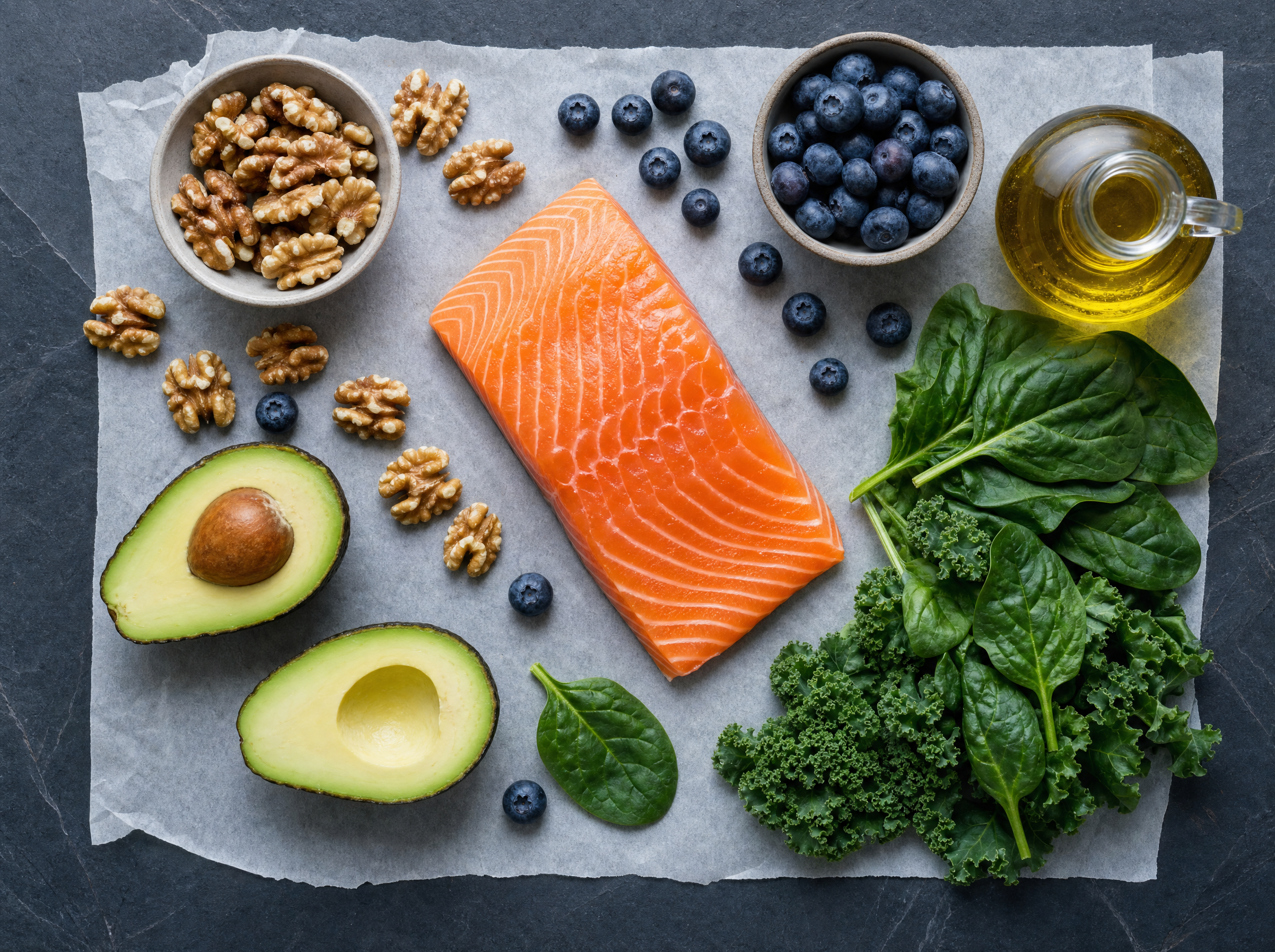
Of course, heart health is not about any single food. A dietary pattern that includes wild salmon alongside vegetables, whole grains, nuts, and olive oil—sometimes called a Mediterranean-style approach—shows the strongest overall cardiovascular evidence. Wild salmon fits naturally as the protein centerpiece of that pattern.
Omega-3s and Brain Function
The human brain is roughly 60% fat by dry weight, and DHA (docosahexaenoic acid) accounts for approximately 40% of the polyunsaturated fatty acids in brain cell membranes. This structural role is not incidental—DHA influences membrane fluidity, neurotransmitter signaling, and synaptic plasticity, the very processes that underpin learning, memory, and cognitive speed.
Unlike many fatty acids, the brain cannot synthesize adequate DHA on its own. It relies on dietary supply, transported across the blood-brain barrier by a specialized transporter protein (Mfsd2a). This makes regular intake of DHA-rich foods like wild salmon a meaningful factor in maintaining brain health throughout the lifespan.
Cognitive Decline and Aging
As the population ages, the relationship between omega-3 intake and cognitive preservation has become one of the most actively studied areas in nutritional neuroscience. Several large observational studies and clinical trials have produced encouraging findings.
MIDAS Study — Memory Improvement with DHA (2010)
This double-blind, randomized controlled trial enrolled 485 healthy older adults (mean age 70) with mild memory complaints. Participants receiving 900 mg/day of algal DHA for 24 weeks showed statistically significant improvements in the paired associate learning (PAL) test, a validated measure of episodic memory, compared to placebo. The improvement was equivalent to having the learning and memory skills of someone approximately 3 years younger.
Yurko-Mauro K et al. Alzheimers Dement. 2010;6(6):456-464.
Framingham Heart Study — DHA and Dementia Risk (2006)
Analysis of 899 participants from the long-running Framingham Heart Study (mean follow-up 9.1 years) found that individuals in the top quartile of plasma DHA levels had a 47% lower risk of developing all-cause dementia compared to those in the lower quartiles. This association remained significant after adjusting for age, sex, education, APOE genotype, and other confounders. The equivalent dietary intake associated with top-quartile DHA levels was approximately three servings of fish per week.
Schaefer EJ et al. Arch Neurol. 2006;63(11):1545-1550.
Memory, Learning, and Processing Speed
Beyond protection against decline, research suggests omega-3 fatty acids may actively support cognitive performance in healthy adults. DHA enhances long-term potentiation (LTP), the cellular mechanism that strengthens synaptic connections during learning. EPA, meanwhile, supports cerebral blood flow and helps maintain the microvasculature that delivers oxygen and glucose to brain tissue.
A 2015 systematic review of 11 randomized controlled trials found that DHA supplementation was associated with improvements in episodic memory in adults with mild memory complaints, though effects on already-healthy younger adults were less consistent. The researchers noted that benefits appeared most pronounced when supplementation lasted at least 4–6 months, suggesting that structural changes in neural membranes require sustained dietary input. (Yurko-Mauro et al., 2015)
Alzheimer's Disease Risk Reduction
The relationship between fish consumption and Alzheimer's disease has been examined in multiple prospective cohort studies with consistent directional findings, though the strength of association varies.
Morris et al. — Fish Consumption and Alzheimer's (2003)
A prospective study of 815 Chicago residents aged 65–94 followed for 3.9 years found that those consuming fish at least once per week had a 60% lower risk of developing Alzheimer's disease compared to those who rarely or never ate fish. The association was driven primarily by DHA intake. This was among the first large studies to quantify the relationship between dietary fish and Alzheimer's incidence in a community-dwelling population.
Morris MC et al. Arch Neurol. 2003;60(7):940-946.
Barberger-Gateau et al. — Three-City Study (2007)
This French cohort study followed 8,085 non-demented adults aged 65 and older for four years. Participants who consumed fish at least once per week had a 35% lower risk of developing Alzheimer's disease and a 40% lower risk of all-cause dementia compared to those who consumed fish less frequently. The protective association was strongest among APOE-e4 non-carriers, the majority of the population.
Barberger-Gateau P et al. Neurology. 2007;69(20):1921-1930.
A note on causality: Most Alzheimer's research on fish consumption is observational, meaning it identifies associations rather than proving cause and effect. People who eat more fish may also have other healthy habits that contribute to brain protection. Nevertheless, the consistency of findings across different populations, the plausible biological mechanisms (DHA's structural role, anti-inflammatory effects, and amyloid-beta clearance support), and the low risk of harm from dietary fish consumption collectively strengthen the case for including wild salmon as part of a brain-healthy eating pattern.

Mental Health & Depression
The connection between diet and mental health has gained substantial scientific attention in the past two decades. Among dietary factors, omega-3 fatty acids—particularly EPA—have accumulated the most evidence for a role in mood regulation and depressive symptom reduction.
EPA's Role in Mood Regulation
While DHA dominates in brain structure, EPA appears to play a more prominent role in brain function related to mood. EPA modulates neuroinflammation, supports serotonin and dopamine signaling pathways, and influences the hypothalamic-pituitary-adrenal (HPA) axis, the body's central stress response system. Depression is increasingly understood to involve neuroinflammatory processes, which may explain why EPA—a potent anti-inflammatory agent—shows particular promise in this area.
Grosso et al. — Meta-Analysis of Omega-3s and Depression (2014)
This comprehensive meta-analysis pooled data from 19 randomized controlled trials encompassing over 2,000 participants with depressive symptoms. The analysis found a statistically significant benefit of omega-3 supplementation on depression scores, with a standardized mean difference of 0.56 (95% CI: 0.20–0.92). Formulations containing a higher proportion of EPA (at least 60% of the total omega-3 content) demonstrated the strongest effects.
Grosso G et al. PLoS One. 2014;9(5):e96905.
Sublette et al. — EPA Dominance in Depression Trials (2011)
This earlier meta-analysis examined 15 RCTs and found that supplements with EPA as the primary omega-3 (at least 60% EPA) showed significant antidepressant efficacy, while DHA-dominant or mixed formulations did not reach significance on their own. The finding helped clarify why some omega-3 trials for depression had produced mixed results—the specific fatty acid composition matters substantially.
Sublette ME et al. J Clin Psychiatry. 2011;72(12):1577-1584.
Anxiety Reduction
Research on omega-3s and anxiety is less extensive than the depression literature but shows a consistent positive direction. A 2018 meta-analysis of 19 clinical trials found that omega-3 supplementation was associated with reduced anxiety symptoms, with the largest effects observed in individuals with clinical anxiety diagnoses rather than subclinical worry. Studies using doses of at least 2,000 mg/day of combined EPA+DHA showed the clearest benefits. (Su et al., 2018 — JAMA Network Open)
Omega-3 fatty acids from wild salmon and other dietary sources show promise as a complement to standard mental health treatment—not as a replacement. Depression and anxiety are complex conditions with multiple contributing factors. If you are experiencing mental health difficulties, please consult a qualified healthcare professional. Dietary changes work best as part of a comprehensive approach that may include therapy, medication, exercise, and social support.
The Dietary Pattern Connection
It is worth noting that the relationship between fish consumption and mental health extends beyond isolated omega-3 effects. Populations that eat more fish tend to follow dietary patterns rich in vegetables, fruits, and whole grains—patterns associated with lower depression rates in large epidemiological studies. The 2017 SMILES trial demonstrated that a Mediterranean-style diet (which prominently features fish) significantly reduced depression symptoms in a randomized clinical setting. (Jacka et al., 2017 — BMC Medicine)
Wild salmon fits naturally as a cornerstone of this brain-supportive dietary approach, providing concentrated EPA and DHA alongside vitamin D (itself linked to mood regulation), B vitamins (involved in neurotransmitter synthesis), and selenium (which supports antioxidant defense in neural tissue).
The Anti-Inflammatory Power of Wild Salmon
Chronic low-grade inflammation is now recognized as a shared underlying mechanism in cardiovascular disease, neurodegenerative conditions, type 2 diabetes, autoimmune disorders, and many cancers. Unlike the acute inflammation you experience after a cut or infection (which is protective and self-limiting), chronic systemic inflammation persists quietly, damaging tissues over years and decades.
Wild salmon addresses this process through multiple complementary pathways, making it one of the most potent anti-inflammatory foods available.
Omega-3 Anti-Inflammatory Pathways
EPA and DHA from wild salmon do not simply reduce inflammation the way an aspirin might—by blocking one step in the inflammatory cascade. Instead, they participate in a more sophisticated system of inflammation resolution that researchers have been mapping since the early 2000s.
-
Resolvins (from EPA and DHA) These specialized pro-resolving mediators actively promote the clearance of inflammatory cells from tissues and stimulate tissue repair. EPA-derived resolvins (E-series) and DHA-derived resolvins (D-series) were first characterized by Dr. Charles Serhan at Harvard Medical School and represent a paradigm shift in how scientists understand inflammation—not just as something to suppress, but as a process that needs active resolution. (Serhan CN, 2014)
-
Protectins (from DHA) Protectin D1 (also called neuroprotectin D1 in the brain) has demonstrated potent anti-inflammatory and neuroprotective properties in preclinical studies. It reduces neutrophil infiltration, limits oxidative stress, and promotes cell survival in neural tissue—mechanisms directly relevant to both cardiovascular and neurodegenerative diseases. (Bazan NG, 2005)
-
Maresins (from DHA) The most recently discovered class of pro-resolving mediators, maresins are produced by macrophages from DHA. They promote tissue regeneration and the resolution of inflammation in a variety of preclinical models. Their discovery further underscores the unique role of DHA as a precursor to multiple protective compounds. (Serhan et al., 2012)
Joint Health and Arthritis
For the millions of adults living with joint pain and arthritis, the anti-inflammatory properties of omega-3s have practical significance. Rheumatoid arthritis (RA) is an autoimmune condition driven by chronic inflammation, and osteoarthritis involves inflammatory processes that accelerate cartilage degradation.
Goldberg & Katz — Systematic Review of Omega-3s for Joint Pain (2007)
This systematic review and meta-analysis of 17 randomized controlled trials found that omega-3 supplementation significantly reduced patient-reported joint pain intensity, morning stiffness duration, number of painful joints, and NSAID consumption in patients with rheumatoid arthritis or joint pain. The median study duration was 3 months, and the researchers noted that benefits appeared to increase with longer supplementation periods.
Goldberg RJ, Katz J. Pain. 2007;129(1-2):210-223.
A subsequent 2017 meta-analysis of 20 RCTs confirmed these findings and further demonstrated that marine omega-3 supplementation reduced inflammatory markers including C-reactive protein (CRP) and interleukin-6 (IL-6) in patients with rheumatoid arthritis. Reductions in morning stiffness averaged approximately 35 minutes compared to placebo groups. (Gioxari et al., 2018 — Nutrition Reviews)
The Astaxanthin Advantage: Why Sockeye Stands Out
While all wild salmon species provide EPA and DHA, sockeye salmon delivers something additional: astaxanthin, the carotenoid pigment responsible for its deep red flesh. Astaxanthin is one of the most potent natural antioxidants studied to date, with an oxygen radical absorbance capacity (ORAC) reportedly many times higher than beta-carotene or vitamin E in certain assays.
In the context of inflammation, astaxanthin works through a complementary mechanism to omega-3s. While EPA and DHA generate specialized pro-resolving mediators, astaxanthin directly scavenges reactive oxygen species and inhibits NF-kB, a master transcription factor that drives inflammatory gene expression. Studies suggest that astaxanthin suppresses production of pro-inflammatory cytokines including TNF-alpha, IL-1beta, and IL-6. (Fakhri et al., 2018)
This dual mechanism—omega-3-driven resolution plus astaxanthin-driven antioxidant protection—makes wild sockeye salmon a particularly compelling choice for individuals focused on managing chronic inflammation. No supplement can replicate this combination in the same bioavailable matrix that a whole-food source provides.
Astaxanthin and Inflammatory Markers — Clinical Evidence
A 2011 randomized, double-blind study found that 12 mg/day of astaxanthin supplementation for 8 weeks significantly reduced CRP levels and DNA damage markers in overweight young adults compared to placebo. While dietary astaxanthin from sockeye provides lower doses (3–4 mg per serving), its high bioavailability within the lipid matrix of fish flesh may enhance absorption compared to isolated supplements.
Park JS et al. Nutr Metab (Lond). 2010;7:18.
The anti-inflammatory story of wild salmon extends beyond any single nutrient. The combination of EPA, DHA, astaxanthin, selenium (a cofactor for antioxidant enzymes), and vitamin D (itself an immune modulator) creates a nutrient profile uniquely suited to addressing chronic inflammation through multiple converging pathways.
Learn more about sockeye salmon's unique nutritional profile in our complete species guide →
Which Salmon Species Is Best for Each Health Goal?
Not all salmon is created equal when it comes to specific health objectives. The five Pacific salmon species differ meaningfully in their omega-3 content, DHA-to-EPA ratios, astaxanthin levels, and overall nutrient density. Understanding these differences helps you choose the right species for your particular health priorities.
| Health Goal | Best Species | Why | EPA+DHA per 6 oz |
|---|---|---|---|
| Heart Health | King (Chinook) Salmon | Highest total omega-3 content of any salmon species. Richest in EPA, the fatty acid most strongly linked to triglyceride reduction and cardiovascular event prevention in clinical trials. | ~2,400 mg |
| Brain Health & Cognition | King or Sockeye Salmon | King provides the most total DHA per serving. Sockeye adds astaxanthin, which crosses the blood-brain barrier and offers neuroprotective antioxidant effects alongside DHA. | King: ~2,400 mg Sockeye: ~1,800 mg |
| Anti-Inflammation | Sockeye Salmon | Combines substantial omega-3s with the highest astaxanthin content of any food source. This dual anti-inflammatory and antioxidant combination is unique to sockeye. | ~1,800 mg + 3–4 mg astaxanthin |
| Budget-Conscious Health | Pink (Humpback) Salmon | Most affordable wild salmon species with meaningful omega-3 content. Provides the best omega-3 per dollar of any salmon, making regular consumption more accessible. | ~1,000 mg |
| Overall Nutrient Density | Sockeye Salmon | Exceptional omega-3s, highest astaxanthin, rich in vitamin D (one serving provides roughly the daily requirement), strong selenium and B12 levels. Best all-around profile. | ~1,800 mg |
| Mood & Mental Health | King Salmon | Highest EPA content per serving. Meta-analyses indicate EPA-dominant intake shows the strongest association with depression symptom reduction. | ~2,400 mg |
The practical takeaway: Any wild salmon is better than no salmon when it comes to heart, brain, and inflammatory health. If you rotate between species throughout the week, you naturally access the full spectrum of benefits. Popsie carries sockeye salmon, halibut, cod, and sablefish — a lineup that covers everyday weeknight cooking through special-occasion meals, balancing nutrition with budget.
King vs Sockeye Salmon | Sockeye Salmon Guide | Coho vs Sockeye Salmon | Pink vs Sockeye Salmon
How Much Salmon Do You Need?
General dietary guidelines recommend at least two servings of fatty fish per week, but specific health goals may warrant different intake levels. Below is a practical breakdown based on the doses used in clinical research, translated into real-world salmon servings.
Recommended Intake by Health Goal
| Health Goal | Target EPA+DHA | Wild Salmon Servings / Week | Basis |
|---|---|---|---|
| General heart health maintenance | 500–1,000 mg/day | 2–3 servings (3.5–4 oz each) | AHA recommendation; Rimm et al., 2018 |
| Post-heart attack secondary prevention | ~1,000 mg/day | 3–4 servings | AHA guidance; GISSI-Prevenzione |
| Triglyceride reduction | 2,000–4,000 mg/day | 4–5 servings (supplement may be needed for highest doses) | REDUCE-IT; AHA Science Advisory |
| Cognitive maintenance | 900–1,000 mg DHA/day | 3–4 servings | MIDAS study; Yurko-Mauro et al., 2010 |
| Mood support (adjunctive) | 1,000–2,000 mg EPA/day | 3–4 servings | Grosso et al., 2014; Sublette et al., 2011 |
| Joint inflammation relief | 2,000–3,000 mg/day | 4–5 servings | Goldberg & Katz, 2007 |
| General anti-inflammatory | 1,000–2,000 mg/day | 2–4 servings | Multiple systematic reviews |
For health goals requiring more than 2,000 mg of EPA+DHA daily, achieving the full dose through diet alone would require very frequent salmon consumption. Many healthcare providers recommend combining regular wild salmon meals with a high-quality fish oil supplement to reach therapeutic levels. Always discuss supplementation with your healthcare provider, particularly if you take blood-thinning medications.
Omega-3 Content by Species per Serving
To help you plan meals around your target intake, here is the approximate EPA and DHA content for each wild salmon species based on USDA nutrition data and published analyses.
| Species | Serving Size | EPA (mg) | DHA (mg) | Total EPA+DHA (mg) | Astaxanthin (mg) |
|---|---|---|---|---|---|
| King (Chinook) | 6 oz (170 g), cooked | ~1,100 | ~1,300 | ~2,400 | 0.2–0.8 |
| Sockeye (Red) | 6 oz (170 g), cooked | ~800 | ~1,000 | ~1,800 | 3.0–4.0 |
| Coho (Silver) | 6 oz (170 g), cooked | ~600 | ~800 | ~1,400 | 0.5–1.0 |
| Keta (Chum) | 6 oz (170 g), cooked | ~500 | ~700 | ~1,200 | 0.2–0.5 |
| Pink (Humpback) | 6 oz (170 g), cooked | ~400 | ~600 | ~1,000 | 0.1–0.3 |
Values are approximate and vary based on season, run timing, and individual fish condition. Wild salmon caught later in their migration tend to have used more fat stores. Data compiled from USDA FoodData Central, NOAA fisheries data, and published analyses.
Beyond Omega-3: Other Heart-Brain Nutrients in Wild Salmon
While omega-3 fatty acids receive the most attention, wild salmon is a remarkably complete package of nutrients that support cardiovascular and neurological health through independent and complementary mechanisms. Focusing on omega-3s alone misses much of what makes whole wild salmon superior to isolated supplements.
Selenium
A single serving of wild salmon provides roughly 60–80% of the daily recommended intake for selenium. This essential trace mineral is a critical cofactor for glutathione peroxidase, one of the body's primary antioxidant enzyme systems. Selenium status has been linked to cardiovascular outcomes in multiple studies; a 2006 Cochrane review noted that populations with lower selenium intake showed higher rates of coronary heart disease. In the brain, selenium-dependent enzymes protect neurons from oxidative damage, and low selenium levels have been associated with cognitive decline in elderly populations. (Rayman, 2012)
Vitamin D
Wild salmon is one of the richest natural dietary sources of vitamin D, with a single 6-ounce serving of sockeye providing approximately 800–1,000 IU—meeting or exceeding the daily recommendation for most adults. Vitamin D deficiency is widespread (affecting an estimated 40% of American adults) and has been associated with increased cardiovascular risk, impaired cognitive function, and mood disorders including seasonal depression.
Notably, wild salmon contains significantly more vitamin D than farmed salmon. Research published in the Journal of Steroid Biochemistry and Molecular Biology found that wild salmon contained roughly 4 times the vitamin D content of farmed salmon, likely due to differences in diet (wild salmon consume vitamin-D-rich zooplankton and smaller fish). (Lu et al., 2007)
B Vitamins (B6, B12, Niacin)
Wild salmon delivers substantial amounts of vitamins B6, B12, and niacin (B3). These B vitamins are essential for homocysteine metabolism—elevated homocysteine is an independent risk factor for cardiovascular disease and has been linked to accelerated brain atrophy and cognitive decline. A 6-ounce serving of wild salmon provides roughly 80% of the daily value for B12 and 40–50% for B6. The Oxford OPTIMA study demonstrated that B vitamin supplementation slowed the rate of brain atrophy in older adults with elevated homocysteine, with the strongest effects seen in individuals who also had adequate omega-3 status. (Jerneren et al., 2015 — Am J Clin Nutr)
Potassium
Often overlooked in discussions of salmon's benefits, a 6-ounce serving delivers approximately 700–800 mg of potassium (roughly 15–20% of adequate intake). Potassium is a key regulator of blood pressure; higher intake is consistently associated with lower blood pressure and reduced stroke risk in population studies. The combination of potassium and omega-3s in salmon provides two independent mechanisms for blood pressure support. (Aburto et al., 2013 — BMJ)
High-Quality Protein and Satiety
Wild salmon provides approximately 40–45 grams of complete protein per 6-ounce serving, with an excellent amino acid profile including all essential amino acids. High protein intake supports satiety (feeling full), which can help with weight management—itself a significant factor in cardiovascular and metabolic health. Research indicates that protein from fish may be particularly satiating compared to other animal proteins, and fish protein has been associated with improved insulin sensitivity in several clinical studies. (Ouellet et al., 2007)
Astaxanthin (The Sockeye Advantage)
As discussed in the anti-inflammation section, sockeye salmon contains 3–4 mg of astaxanthin per serving—substantially more than any other commonly consumed food. Beyond its anti-inflammatory effects, astaxanthin has shown cardiovascular benefits in clinical studies, including improvements in blood lipid profiles (increased HDL, decreased triglycerides) and reduced oxidation of LDL cholesterol, a key step in atherosclerotic plaque formation. (Yoshida et al., 2010)
Wild vs. Farmed: Which Is Better for Your Health?
This is one of the most common questions we hear, and the science provides meaningful distinctions worth understanding. While both wild and farmed salmon contain omega-3 fatty acids, the differences extend well beyond the headline nutrient.
Key Nutritional Differences
| Factor | Wild Alaskan Salmon | Farmed Atlantic Salmon |
|---|---|---|
| Omega-3 (EPA+DHA) | High; species-dependent (1,000–2,400 mg per 6 oz) | High but variable; depends on feed formulation |
| Omega-6 to Omega-3 Ratio | Favorable (~1:10 to 1:15 omega-6:omega-3) | Less favorable (~1:3 to 1:4); higher omega-6 from vegetable oil in feed |
| Total Fat & Calories | Leaner; fewer total calories per serving | Fattier overall; significantly more saturated fat |
| Vitamin D | Substantially higher (~4x more than farmed) | Lower due to indoor rearing and feed composition |
| Astaxanthin | Natural astaxanthin from wild diet (especially sockeye) | Synthetic astaxanthin added to feed for color |
| Contaminants (PCBs, dioxins) | Generally lower; Alaskan waters are among the cleanest | Generally higher; varies by farm and region |
| Antibiotics | None (wild fish do not receive antibiotics) | Used in some operations; varies by country regulations |
| Protein | Comparable (~40–45 g per 6 oz) | Comparable (~38–42 g per 6 oz) |
The omega-6 to omega-3 ratio deserves special attention in a health context. Excess omega-6 fatty acids compete with omega-3s for enzymatic conversion and can promote pro-inflammatory eicosanoid production. Wild salmon's highly favorable ratio means that the omega-3s you consume are less likely to be counteracted by competing omega-6 pathways.
For a comprehensive comparison covering environmental, nutritional, and sustainability factors, see our detailed guide: Wild-Caught vs. Farm-Raised Salmon: The Complete Comparison →
Contaminant Levels in Wild vs. Farmed Salmon
A 2004 analysis published in Science measured organochlorine contaminants (PCBs, dioxins, toxaphene, dieldrin) in over 700 salmon samples from around the world. Farmed salmon had significantly higher concentrations of 13 of 14 measured contaminants compared to wild salmon. European-farmed salmon showed the highest levels, while wild Alaskan salmon consistently showed the lowest contaminant burden. The researchers concluded that the health benefits of wild salmon consumption clearly outweighed contaminant risks.
Hites RA et al. Science. 2004;303(5655):226-229.
Bottom line: Both wild and farmed salmon provide omega-3 fatty acids, and both are preferable to no fish at all. However, for individuals specifically prioritizing heart, brain, and inflammatory health, wild Alaskan salmon offers advantages in vitamin D content, omega-6:omega-3 ratio, astaxanthin quality, lower contaminant levels, and overall nutrient density per calorie consumed.
Heart & Brain Health Myths About Salmon and Omega-3s
Misinformation about fish, omega-3s, and their health effects is widespread. Below we address the most common myths with evidence-based corrections.
Myth: Fish oil supplements are just as good as eating salmon.
What the evidence says: While fish oil supplements provide EPA and DHA, eating whole salmon delivers these fatty acids within a complex food matrix that includes selenium, vitamin D, B vitamins, potassium, astaxanthin (in sockeye), and high-quality protein. Research suggests that nutrients consumed as part of whole foods may have synergistic effects that isolated supplements cannot replicate. Additionally, studies using dietary fish intake often show stronger associations with cardiovascular outcomes than studies using supplements alone. The AHA specifically recommends fish consumption over supplementation for the general population.
Myth: Mercury in salmon outweighs the health benefits.
What the evidence says: Wild Alaskan salmon consistently tests among the lowest-mercury fish available. A 2006 review in JAMA assessed the risk-benefit balance and concluded that for most adults, the cardiovascular benefits of consuming one to two servings of fish per week far outweighed the risks from mercury and other contaminants. Wild salmon species—particularly sockeye and pink—are short-lived and feed low on the food chain, resulting in minimal mercury accumulation. The FDA and EPA classify salmon as a "Best Choice" fish for all populations, including pregnant women and children. (Mozaffarian & Rimm, 2006 — JAMA)
Myth: You can get enough omega-3s from flaxseed and walnuts alone.
What the evidence says: Flaxseed and walnuts contain ALA (alpha-linolenic acid), a short-chain omega-3 that must be converted to EPA and DHA in the body. Research consistently shows this conversion is very inefficient—roughly 5–10% for EPA and less than 1% for DHA in most adults. This means you would need to consume extremely large quantities of plant-based omega-3s to achieve the EPA+DHA levels obtained from a single serving of wild salmon. Plant omega-3s have their own benefits, but they are not a direct substitute for preformed marine EPA and DHA for cardiovascular and neurological endpoints.
Myth: Cooking salmon destroys the omega-3s.
What the evidence says: While extreme high-heat methods like deep-frying can degrade some omega-3 content and add unhealthy fats, standard cooking methods—baking, broiling, grilling, poaching, and pan-searing—preserve the vast majority of EPA and DHA. A study published in the Journal of Food Science found that baking salmon at 375°F retained over 90% of its omega-3 content. The key is to avoid deep-frying and to use moderate temperatures with shorter cooking times.
Myth: Omega-3s can replace heart medications.
What the evidence says: While clinical trials demonstrate cardiovascular benefits from omega-3 intake, these findings do not support discontinuing prescribed medications. Omega-3s from salmon work through different mechanisms than statins, ACE inhibitors, or other cardiac drugs and should be viewed as complementary to, not a replacement for, evidence-based medical treatment. The REDUCE-IT trial studied EPA alongside statin therapy, not as a substitute for it. Always discuss any changes to your medication regimen with your healthcare provider.
Myth: Frozen salmon has fewer omega-3s than fresh.
What the evidence says: Flash-freezing at sea (the method used for most wild Alaskan salmon, including ours) locks in nutritional content within hours of harvest. Studies comparing the omega-3 content of properly frozen and fresh salmon find no significant difference in EPA or DHA levels. In fact, frozen-at-sea salmon may have higher nutrient integrity than "fresh" fish that has spent days in transit, as omega-3 fatty acids can slowly oxidize during extended refrigerated storage.
A Week of Heart-Healthy Salmon Meals
Meeting the AHA recommendation of at least two fatty fish servings per week—or the higher intakes suggested by clinical research for specific goals—is easier than many people expect. Here is a sample week that incorporates three salmon meals alongside other heart-healthy foods, providing approximately 5,000–6,000 mg of EPA+DHA across the week.
| Day | Meal | Salmon Dish | Approx. EPA+DHA |
|---|---|---|---|
| Monday | Dinner | Herb-Crusted Sockeye Fillets with roasted sweet potatoes and steamed broccoli. Season fillets with dill, lemon zest, and garlic; bake at 400°F for 12–14 minutes. | ~1,800 mg |
| Tuesday | — | Rest day (Mediterranean salad with olive oil, walnuts, and vegetables) | — |
| Wednesday | Lunch | Wild Salmon Salad Wraps using canned pink salmon, mixed with avocado, celery, and a squeeze of lemon. Serve in butter lettuce cups or whole-grain wraps. | ~1,000 mg |
| Thursday | — | Rest day (grilled chicken with quinoa and roasted vegetables) | — |
| Friday | — | Rest day (lentil soup with leafy greens and whole-grain bread) | — |
| Saturday | Dinner | Grilled King Salmon with a ginger-citrus glaze, served over brown rice with sauteed bok choy and sesame seeds. Grill skin-side down for 4–5 minutes per side. | ~2,400 mg |
| Sunday | — | Rest day (vegetable stir-fry with tofu and turmeric rice) | — |
Weekly total: approximately 5,200 mg EPA+DHA — This schedule meets the AHA recommendation and aligns with intake levels associated with cardiovascular and cognitive benefits in clinical studies. Adjust portions and frequency based on your specific health goals and healthcare provider's guidance.
Get our complete cooking guide with temperatures, times, and techniques for every species →
Frequently Asked Questions
Is salmon really good for your heart?
Yes, substantial clinical evidence supports this. The omega-3 fatty acids EPA and DHA in salmon reduce triglycerides by 25–30%, lower blood pressure modestly, stabilize heart rhythm, and reduce vascular inflammation. The American Heart Association recommends at least two servings of fatty fish like salmon per week for cardiovascular protection. Major trials including GISSI-Prevenzione and REDUCE-IT demonstrated significant reductions in cardiovascular events with omega-3 intake.
How does salmon benefit brain health?
DHA from salmon comprises roughly 40% of the polyunsaturated fatty acids in brain cell membranes and is essential for neurotransmitter signaling, synaptic plasticity, and membrane fluidity. Observational studies like the Framingham Heart Study found that higher DHA levels were associated with a 47% lower risk of dementia, and the MIDAS trial showed measurable memory improvements with DHA supplementation in older adults.
Can eating salmon help with inflammation?
Research strongly supports this. EPA and DHA serve as precursors to specialized pro-resolving mediators (resolvins, protectins, maresins) that actively promote inflammation resolution rather than simply suppressing it. Clinical studies show omega-3 intake reduces inflammatory markers like CRP and IL-6. Sockeye salmon adds astaxanthin, providing additional antioxidant and anti-inflammatory effects through complementary pathways.
How much salmon should I eat per week for heart health?
The American Heart Association recommends at least two servings (3.5 ounces cooked each) of fatty fish per week for general cardiovascular health. For individuals with existing heart disease or elevated triglycerides, research suggests higher intake of 3–4 servings weekly may provide additional benefit. Specific therapeutic goals such as triglyceride reduction may require supplementation alongside dietary fish to reach the 2,000–4,000 mg/day doses used in clinical trials.
Is wild salmon better than farmed for health benefits?
Both wild and farmed salmon provide omega-3 fatty acids, but wild salmon offers several health advantages: roughly 4 times more vitamin D, a more favorable omega-6 to omega-3 ratio, natural astaxanthin (especially sockeye), fewer total calories and less saturated fat per serving, and generally lower levels of contaminants such as PCBs and dioxins. Wild Alaskan salmon in particular benefits from some of the cleanest ocean waters on Earth.
Which salmon has the most omega-3?
King (Chinook) salmon has the highest omega-3 content at approximately 2,400 mg of combined EPA+DHA per 6-ounce cooked serving. Sockeye follows at roughly 1,800 mg, coho at about 1,400 mg, keta at around 1,200 mg, and pink at approximately 1,000 mg per serving. All five Pacific species provide nutritionally meaningful levels of omega-3s.
Can omega-3s from salmon help with depression?
Meta-analyses of randomized controlled trials suggest that omega-3 supplementation, particularly formulations rich in EPA, can reduce depression symptoms when used alongside standard treatment. However, omega-3s should be viewed as a complement to professional mental health care, not a replacement. Depression is a complex condition, and dietary changes work best as part of a comprehensive treatment plan developed with a healthcare provider.
Does cooking salmon reduce its omega-3 content?
Standard cooking methods like baking, broiling, grilling, and pan-searing preserve the vast majority of omega-3 fatty acids. Research shows that baking at 375 degrees Fahrenheit retains over 90% of EPA and DHA content. The method to avoid is deep-frying, which can degrade omega-3s and add pro-inflammatory oils. For maximum nutrient retention, use moderate heat and avoid overcooking.
Is canned salmon as healthy as fresh or frozen fillets?
Yes, canned wild salmon retains its omega-3 content and is an excellent, budget-friendly option. Canning also softens the bones, which become edible and provide a significant calcium boost (one can may contain 200–300 mg of calcium). For heart and brain health purposes, canned wild pink or sockeye salmon is nutritionally comparable to frozen or fresh fillets. Check labels to confirm the salmon is wild-caught.
Are there any risks to eating salmon frequently?
For the vast majority of adults, eating wild salmon several times per week is safe and beneficial. Wild Alaskan salmon is classified as a "Best Choice" by the FDA/EPA for all populations including pregnant women. Mercury levels in wild salmon are consistently very low. The main considerations are fish allergies (rare but serious), potential interactions between high-dose omega-3s and blood-thinning medications (discuss with your doctor), and individual tolerance. The scientific consensus is that the benefits of regular wild salmon consumption substantially outweigh any risks.
Heart-Healthy Salmon Recipes
Each of these recipes is designed to maximize omega-3 retention through gentle cooking methods while incorporating other heart- and brain-supportive ingredients. Preparation times are 30 minutes or less.
Heart bonus: Olive polyphenols + omega-3s + fiber
~1,800 mg EPA+DHA per serving
Brain bonus: DHA + curcumin + B vitamins
~2,400 mg EPA+DHA per serving
Heart bonus: Marine + plant omega-3s + anthocyanins
~1,400 mg EPA+DHA per serving
Heart bonus: Monounsaturated fats + potassium + omega-3s
~1,800 mg EPA+DHA per serving
Anti-inflammation bonus: Cruciferous vegetables + omega-3s
~1,800–2,400 mg EPA+DHA per serving
Brain bonus: DHA + folate + vitamin K
~1,400–1,800 mg EPA+DHA per serving
Explore our complete cooking guide with detailed techniques for every species →
Start Fueling Your Heart and Brain
Our wild Alaskan salmon is flash-frozen within hours of harvest, locking in the omega-3s, vitamin D, and astaxanthin your body needs. Build your custom box with our mix-and-match tier system.
References & Citations
This guide draws on peer-reviewed research from major medical journals. Below is a consolidated list of the primary studies and reviews cited throughout this page, organized alphabetically by first author.
- Aburto NJ, Hanson S, Gutierrez H, et al. Effect of increased potassium intake on cardiovascular risk factors and disease: systematic review and meta-analyses. BMJ. 2013;346:f1378.
- Balk EM, Lichtenstein AH, Chung M, et al. Effects of omega-3 fatty acids on serum markers of cardiovascular disease risk: a systematic review. Atherosclerosis. 2006;189(1):19-30.
- Barberger-Gateau P, Raffaitin C, Letenneur L, et al. Dietary patterns and risk of dementia: the Three-City cohort study. Neurology. 2007;69(20):1921-1930.
- Bazan NG. Neuroprotectin D1 (NPD1): a DHA-derived mediator that protects brain and retina against cell injury-induced oxidative stress. Brain Pathol. 2005;15(2):159-166.
- Bhatt DL, Steg PG, Miller M, et al. Cardiovascular risk reduction with icosapent ethyl for hypertriglyceridemia (REDUCE-IT). N Engl J Med. 2019;380(1):11-22.
- Fakhri S, Abbaszadeh F, Dargahi L, Jorjani M. Astaxanthin: a mechanistic review on its biological activities and health benefits. Pharmacol Res. 2018;136:1-20.
- GISSI-Prevenzione Investigators. Dietary supplementation with n-3 polyunsaturated fatty acids and vitamin E after myocardial infarction: results of the GISSI-Prevenzione trial. Lancet. 1999;354(9177):447-455.
- Gioxari A, Kaliora AC, Marantidou F, Panagiotakos DP. Intake of omega-3 polyunsaturated fatty acids in patients with rheumatoid arthritis: a systematic review and meta-analysis. Nutr Rev. 2018;76(3):169-183.
- Goldberg RJ, Katz J. A meta-analysis of the analgesic effects of omega-3 polyunsaturated fatty acid supplementation for inflammatory joint pain. Pain. 2007;129(1-2):210-223.
- Grosso G, Pajak A, Marventano S, et al. Role of omega-3 fatty acids in the treatment of depressive disorders: a comprehensive meta-analysis of randomized clinical trials. PLoS One. 2014;9(5):e96905.
- Harris WS, Miller M, Tighe AP, et al. Omega-3 fatty acids and coronary heart disease risk: clinical and mechanistic perspectives. Atherosclerosis. 2008;197(1):12-24.
- Hites RA, Foran JA, Carpenter DO, et al. Global assessment of organic contaminants in farmed salmon. Science. 2004;303(5655):226-229.
- Jacka FN, O'Neil A, Opie R, et al. A randomised controlled trial of dietary improvement for adults with major depression (the 'SMILES' trial). BMC Med. 2017;15(1):23.
- Jerneren F, Elshorbagy AK, Oulhaj A, et al. Brain atrophy in cognitively impaired elderly: the importance of long-chain omega-3 fatty acids and B vitamin status in a randomized controlled trial. Am J Clin Nutr. 2015;102(1):215-221.
- Leaf A, Xiao YF, Kang JX, Billman GE. Prevention of sudden cardiac death by n-3 polyunsaturated fatty acids. Pharmacol Ther. 2003;98(3):355-377.
- Lu Z, Chen TC, Zhang A, et al. An evaluation of the vitamin D3 content in fish: is the vitamin D content adequate to satisfy the dietary requirement for vitamin D? J Steroid Biochem Mol Biol. 2007;103(3-5):642-644.
- Manson JE, Cook NR, Lee IM, et al. Marine n-3 fatty acids and prevention of cardiovascular disease and cancer (VITAL). N Engl J Med. 2019;380(1):23-32.
- Miller PE, Van Elswyk M, Alexander DD. Long-chain omega-3 fatty acids eicosapentaenoic acid and docosahexaenoic acid and blood pressure: a meta-analysis of randomized controlled trials. Am J Hypertens. 2014;27(7):885-896.
- Morris MC, Evans DA, Bienias JL, et al. Consumption of fish and n-3 fatty acids and risk of incident Alzheimer disease. Arch Neurol. 2003;60(7):940-946.
- Mozaffarian D, Rimm EB. Fish intake, contaminants, and human health: evaluating the risks and the benefits. JAMA. 2006;296(15):1885-1899.
- Ouellet V, Marois J, Weisnagel SJ, Jacques H. Dietary cod protein improves insulin sensitivity in insulin-resistant men and women. Diabetes Care. 2007;30(11):2816-2821.
- Park JS, Chyun JH, Kim YK, et al. Astaxanthin decreased oxidative stress and inflammation and enhanced immune response in humans. Nutr Metab (Lond). 2010;7:18.
- Rayman MP. Selenium and human health. Lancet. 2012;379(9822):1256-1268.
- Rimm EB, Appel LJ, Chiuve SE, et al. Seafood long-chain n-3 polyunsaturated fatty acids and cardiovascular disease: a science advisory from the American Heart Association. Circulation. 2018;138(1):e35-e47.
- Schaefer EJ, Bongard V, Beiser AS, et al. Plasma phosphatidylcholine docosahexaenoic acid content and risk of dementia and Alzheimer disease: the Framingham Heart Study. Arch Neurol. 2006;63(11):1545-1550.
- Serhan CN. Pro-resolving lipid mediators are leads for resolution physiology. Nature. 2014;510(7503):92-101.
- Serhan CN, Chiang N, Van Dyke TE. Resolving inflammation: dual anti-inflammatory and pro-resolution lipid mediators. Nat Rev Immunol. 2008;8(5):349-361.
- Serhan CN, Dalli J, Karber S, et al. Protectin D1 is generated in asthma and allergic inflammation and inhibits mediator release from human leukocytes. Proc Natl Acad Sci USA. 2012;109(37):14983-14988.
- Su KP, Tseng PT, Lin PY, et al. Association of use of omega-3 polyunsaturated fatty acids with changes in severity of anxiety symptoms: a systematic review and meta-analysis. JAMA Netw Open. 2018;1(5):e182327.
- Sublette ME, Ellis SP, Geant AL, Mann JJ. Meta-analysis of the effects of eicosapentaenoic acid (EPA) in clinical trials in depression. J Clin Psychiatry. 2011;72(12):1577-1584.
- Yokoyama M, Origasa H, Matsuzaki M, et al. Effects of eicosapentaenoic acid on major coronary events in hypercholesterolaemic patients (JELIS). Lancet. 2007;369(9567):1090-1098.
- Yoshida H, Yanai H, Ito K, et al. Administration of natural astaxanthin increases serum HDL-cholesterol and adiponectin in subjects with mild hyperlipidemia. Atherosclerosis. 2010;209(2):520-523.
- Yurko-Mauro K, McCarthy D, Rom D, et al. Beneficial effects of docosahexaenoic acid on cognition in age-related cognitive decline (MIDAS). Alzheimers Dement. 2010;6(6):456-464.
Disclaimer: This page is for educational purposes only and does not constitute medical advice. The studies cited above represent a selection of the available research and should not be interpreted as comprehensive or conclusive. Always consult with a qualified healthcare provider before making dietary changes or beginning supplementation, particularly if you have existing health conditions or take medications.