
From Bristol Bay
Sustainable Wild Alaskan Seafood: How Bristol Bay Protects the World's Greatest Fishery
Why Bristol Bay still works after a century of fishing, and what setnetting from the beach actually looks like.
6 Things You Need to Know About Bristol Bay Sustainability
On This Page
- Bristol Bay Ecosystem: The World's Greatest Fishery
- Alaska's Rigorous Fishery Management System
- Wild vs Farmed: The Environmental Impact Reality
- Certifications & Standards That Matter
- How Popsie Sources Sustainable Seafood
- From Ocean to Table: Our Supply Chain
- Carbon Footprint & Environmental Responsibility
- How You Can Help Protect Wild Fisheries
- Frequently Asked Questions
Bristol Bay Ecosystem: The World's Greatest Fishery
Geography and Why It Matters
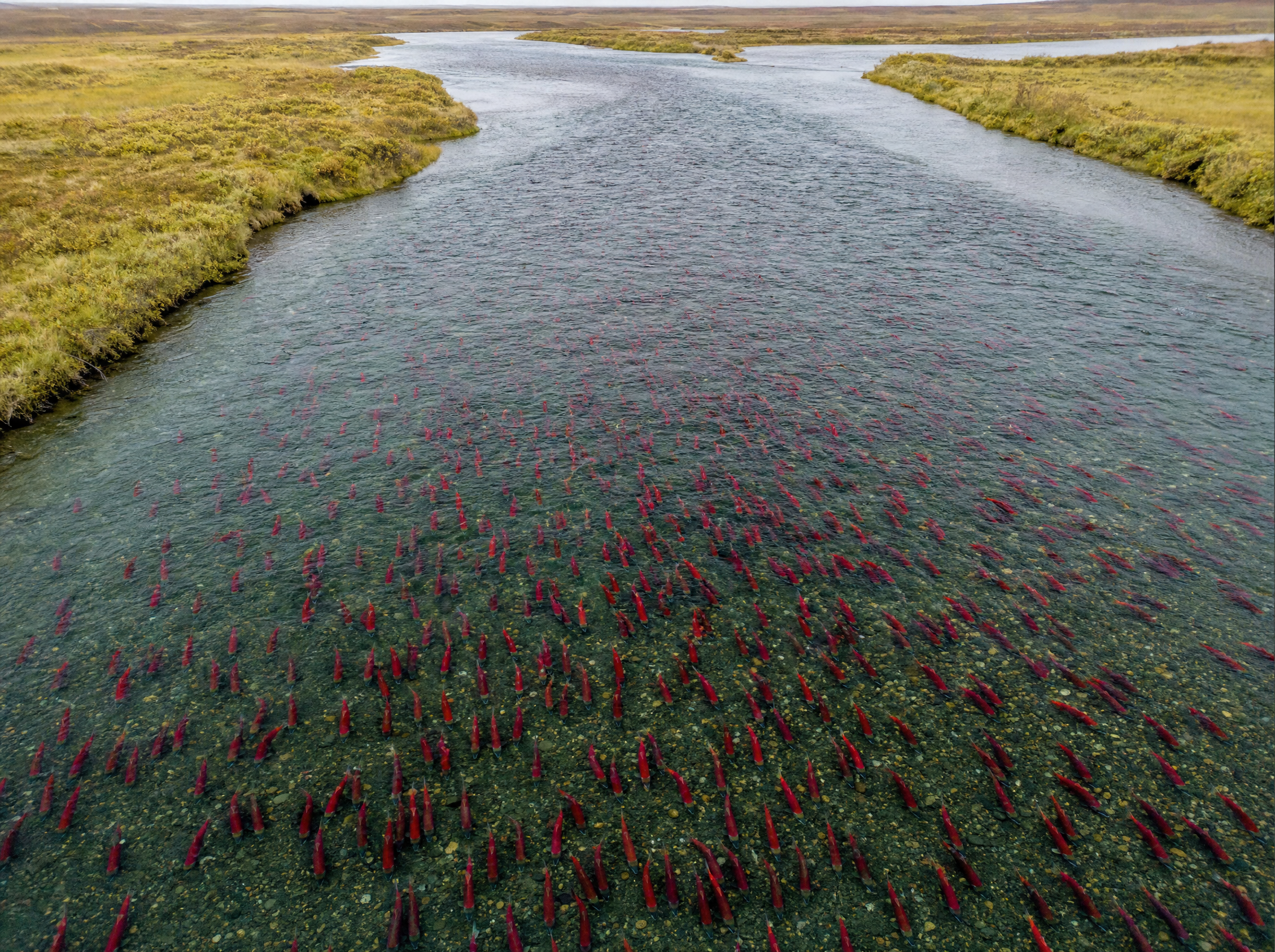
Bristol Bay, located in southwestern Alaska, is home to the world's largest sockeye salmon fishery and one of the most pristine marine ecosystems on Earth. Spanning across 22,000 square miles of cold, nutrient-rich waters, Bristol Bay produces roughly 50% of the world's wild sockeye salmon and generates nearly $2 billion annually in economic value. This isn't just a fishing ground—it's a global treasure that sustains entire communities, ecosystems, and food systems.
The bay's geographic advantages are staggering: it's isolated from major pollution sources, fed by clean glacial rivers, and protected by strict regulations that have been in place for over 60 years. No fish farms. No industrial agriculture runoff. No urban development along its critical tributaries. This combination of natural integrity and regulatory vigilance is virtually unique in the modern world.
The Salmon Lifecycle: Understanding Sustainability
To understand why Bristol Bay is sustainable, you need to understand the salmon lifecycle—a cycle that has perpetuated itself for thousands of years:
This lifecycle is crucial for sustainability because:
- Multiple Return Years: Not all salmon return at the same time. This age structure means that poor ocean conditions in one year don't wipe out the entire population.
- Nutrient Cycling: Spawning salmon deposit nutrients from the ocean into freshwater and terrestrial ecosystems. Bears, eagles, and forests all depend on this annual fertilization.
- Natural Population Control: Only the strongest fish survive the journey back, creating a self-selecting breeding population.
- Predictability: The cycle's regularity allows managers to establish reliable escapement goals and catch limits.
Ecosystem Interdependence
Bristol Bay's salmon don't exist in isolation. The ecosystem is intricately woven—pull one thread and the whole tapestry frays. Brown bears, bald eagles, orcas, seals, and countless bird species depend on salmon for survival. Forest ecosystems benefit from salmon-derived nutrients. Indigenous communities, sports fishers, and commercial fishers all depend on healthy populations.
This interconnectedness is precisely why Alaska's management system is so rigorous: the stakes aren't just commercial—they're ecological and cultural. Protecting Bristol Bay salmon means protecting entire ecosystems that have evolved in tandem with these fish.
Recent Record Runs: Data That Proves Sustainability
The proof of Bristol Bay's sustainability is in the numbers. In recent years, the fishery has experienced some of its strongest returns in decades:
- 2022: About 79 million sockeye returned to Bristol Bay, the largest run on record. Every sockeye escapement goal was met or exceeded, demonstrating the fishery's incredible productivity.
- 2024: About 51.6 million sockeye returned, the 10th year in a row that Bristol Bay's run topped 50 million fish, and every sockeye escapement goal was again met or exceeded.
- Long-term Trend: Over the past 20 years, Bristol Bay has averaged returns 25-30% above historical baselines, showing that modern management practices have actually enhanced productivity.
These aren't manufactured numbers from hatchery programs—these are wild salmon born in rivers, raised in lakes, grown in the open ocean, and returning home. The fact that these populations are increasing proves that Bristol Bay's management model isn't just preventing collapse; it's allowing wild fisheries to flourish.
Why Bristol Bay Stands Apart from Other Fisheries
Across the globe, fisheries have collapsed. The Atlantic cod fishery (once producing 200,000+ tons annually) crashed in the 1980s. The Grand Banks of Newfoundland, which seemed inexhaustible, were decimated in just a few decades. European fisheries have been systematically depleted. But Bristol Bay has thrived.
Wild salmon's superior nutritional profile is built on this foundation of ecosystem health. When you purchase Bristol Bay salmon, you're not just buying a product—you're supporting a management model that has proven it can sustain wild fisheries indefinitely.
Alaska's Rigorous Fishery Management System
The Constitutional Mandate: Sustainability Built Into Law
Alaska's approach to fisheries is unique because it's enshrined in the state constitution. Article VIII, Section 4 (adopted in 1959) mandates that all renewable resources shall be managed under the principle of sustained yield, which is defined as "the achievement and maintenance in perpetuity of maximum population productivity of all renewable resources." This isn't a guideline or aspiration—it's the law.
This constitutional requirement means that politics, short-term economic pressures, and lobbying interests cannot override the fundamental mandate to keep fisheries sustainable. When conflicting interests arise, sustainability wins. This legal foundation sets Alaska apart from virtually every other fishing jurisdiction globally.
Alaska Department of Fish & Game: Real-Time Monitoring
The Alaska Department of Fish & Game (ADF&G) runs one of the most sophisticated real-time monitoring systems in the world. During Bristol Bay's fishing season, the agency monitors salmon returns continuously using:
- Tower Sites: Located at river mouths, these towers use video surveillance and sonar to count salmon moving upstream in real time.
- Aerial Surveys: Planes regularly fly designated rivers to visually count salmon and assess population health.
- Sonar Technology: Acoustic sonar at key locations provides instantaneous data on fish passage and run timing.
- Escapement Goals: Each system has established goal ranges for the number of salmon that must escape to freshwater to maintain population health. If counts are running below goal, fishing is restricted immediately.
This technology allows managers to make decisions based on real, current data, not predictions made weeks or months earlier. If a run is stronger than expected, fishing can be opened. If a run is weaker, fishing can be closed. This adaptive management prevents both overfishing and artificial scarcity.
In-Season Management: How Catches Are Controlled
During Bristol Bay's fishing season (typically June through August), ADF&G staff are actively monitoring the fishery daily. Decisions about when fisheries open and close are made in real time based on escapement data. Here's how it works:
This system has proven remarkably effective. While some years are stronger than others (due to natural ocean conditions), the escapement system ensures that enough salmon always make it back to spawn. Even in relatively weak years, Bristol Bay rarely fails to meet escapement goals—a distinction that sets it apart from most world fisheries.
Setting Catch Limits: The Science Behind the Numbers
Before each season, ADF&G scientists conduct extensive pre-season forecasting. They analyze:
- Historical return patterns for different age classes
- Ocean conditions and survival rates
- Freshwater habitat conditions
- International catches (in some years, salmon are caught in high seas or in foreign waters)
- Native and sport fishing allocations (which are guaranteed before commercial fishing)
From this analysis, they calculate a forecast of expected returns and determine what commercial catch is sustainable. This forecast becomes the basis for in-season management. Importantly, Alaska's system prioritizes biological sustainability over commercial profit—if the science says less fishing is required, fishing is reduced, even if it costs the industry millions.
How Bristol Bay Compares to Global Fisheries
Bristol Bay's management success becomes even more striking when compared to international fisheries:
- Mediterranean Fisheries: Overfished for decades with minimal regulation. Many species are functionally extinct in these waters.
- Southeast Asian Fisheries: Often lack monitoring infrastructure and regulations. Illegal, unreported fishing is rampant.
- North Atlantic Fisheries: Despite some improvements, remain heavily depleted compared to historical abundance.
Bristol Bay's different outcome isn't luck—it's institutional commitment. Alaska's system proves that the combination of legal mandates, monitoring technology, real-time management, and genuine enforcement can sustain wild fisheries indefinitely, even under commercial pressure.
Wild vs Farmed: The Environmental Impact Reality
Environmental Impact Comparison
The environmental case for wild salmon over farmed is compelling. Here's how they compare across key metrics:
| Impact Category | Wild Salmon | Farmed Salmon |
|---|---|---|
| Antibiotics/Chemicals | None added | Routine antibiotic use in feed |
| Waste Production | Dispersed naturally | Concentrated under net pens; creates dead zones |
| Feed Source | Natural ocean forage fish | 1.5-3 lbs wild fish per 1 lb farmed salmon |
| Disease Spread | Isolated from wild populations | Can transfer parasites/diseases to wild salmon |
| Escapees Impact | N/A | Genetic pollution of wild populations |
| Ecosystem Impact | Supports ecosystem; provides nutrient cycling | Depletes wild forage fish populations |
Net Pens and Pollution: The Dirty Reality of Farmed Salmon
Farmed salmon are raised in high-density net pens—underwater cages that typically hold 50,000-100,000 fish in an area smaller than a football field. This concentration creates serious environmental problems:
- Waste Accumulation: A single salmon farm produces as much organic waste as a town of 50,000 people. This waste settles beneath the pens, creating hypoxic (low-oxygen) zones that kill benthic life.
- Chemical Use: Farms routinely apply pesticides (to kill parasites like sea lice), antibiotics (for disease prevention), and fungicides. These chemicals accumulate in sediments and seawater, affecting non-target species.
- Nitrogen and Phosphorus: Fish waste contains high levels of these nutrients, leading to eutrophication and harmful algal blooms in surrounding waters.
Farmed Escapees and Genetic Contamination
Fish farm escapes happen regularly—storms damage nets, equipment fails, and farmed salmon reach wild populations. When this occurs, the genetic consequences can be severe:
- Genetic Dilution: Farmed salmon are much larger than wild salmon but often weaker and less adapted to wild conditions. Interbreeding produces hybrids with reduced fitness.
- Loss of Local Adaptation: Farmed salmon lack the genetic adaptations that wild salmon have developed to their specific rivers and ocean conditions.
- Selective Pressure Reversal: Natural selection removes the weakest fish from wild populations. Farmed escapees can outcompete wild fish for resources despite being less naturally fit.
Some studies suggest that even a small percentage of farmed genes in a wild population can measurably reduce population viability. This is particularly concerning in regions like Norway, Canada, and Iceland where farm escapes are routine and well-documented.
Feed Conversion and Wild Fish Depletion
A critical environmental problem with farmed salmon: they require large inputs of wild fish feed. The feed conversion ratio for farmed salmon is typically 1.5:1 to 3:1, meaning you need 1.5 to 3 pounds of wild forage fish (anchovies, sardines, herring) to produce one pound of farmed salmon.
This creates a perverse logic: we farm salmon to reduce pressure on wild populations, but farmed salmon require catching millions of tons of wild forage fish annually. Many of these forage species are declining globally, and some regions have experienced forage fish collapses that devastated not just fishing communities but entire marine ecosystems.
Habitat Destruction from Aquaculture
Fish farms require coastal locations with strong water exchange—typically in pristine or near-pristine waters. Siting farms in these locations means:
- Mangroves and seagrass beds are cleared for farm infrastructure
- Coastal wetlands are modified or destroyed
- Wild salmon nursery habitat in some regions is directly displaced by aquaculture
- Tourism and recreational opportunities are reduced
Why "Sustainable Farmed" Still Doesn't Work
Some producers tout "sustainable farmed" salmon with reduced antibiotics, lower stocking densities, or improved feed. While these represent incremental improvements, they don't solve the fundamental problems:
- You still need 1.5-3 lbs of wild fish feed per pound of farmed salmon
- Escapes still pose genetic risks to wild populations
- Coastal habitat is still required and still damaged
- Disease concentration in net pens remains an issue even with best practices
The only truly sustainable salmon is wild salmon from well-managed fisheries like Bristol Bay.
Certifications & Standards That Matter
Marine Stewardship Council (MSC) Certification
The Marine Stewardship Council (MSC) is an independent, non-profit organization that sets standards for sustainable fishing and certifies fisheries that meet those standards. MSC certification is recognized globally as the gold standard for wild fisheries sustainability.
To achieve MSC certification, a fishery must demonstrate:
- Healthy Fish Stocks: Scientific evidence that the target species population is sustainable and not overfished.
- Ecosystem Impact: The fishery doesn't cause significant harm to non-target species or habitat.
- Effective Management: Robust governance, monitoring, enforcement, and adaptive management systems.
Bristol Bay sockeye is part of the Alaska salmon fishery, which has held MSC certification since 2000—one of the earliest fisheries to achieve this distinction. MSC certificates run for up to five years, with annual surveillance audits by independent third parties confirming ongoing compliance with MSC standards.
Alaska's Responsible Fisheries Management (RFM) Certification
In addition to MSC, Bristol Bay also participates in Alaska's Responsible Fisheries Management (RFM) certification program. RFM is an Alaska-specific standard that evaluates:
- Compliance with Alaska's constitutional mandate for sustained yield
- Real-time monitoring and in-season management effectiveness
- Stock assessment and escapement goal achievement
- Ecosystem protection and habitat conservation
- Community and cultural impacts
RFM certification is awarded only to fisheries that consistently meet these rigorous standards. It provides additional assurance beyond MSC that the fishery is truly operating at the highest level of sustainability.
What These Certifications Actually Verify
It's important to understand what certifications do and don't guarantee:
- DO verify: The fishery meets specific sustainability standards, uses science-based management, and has third-party oversight.
- DO verify: Current stocks are healthy and management is effective.
- DO NOT verify: Nutritional content, taste quality, or freshness of the final product.
- DO NOT guarantee: Future sustainability (though rigorous current management strongly suggests future success).
In other words, certifications tell you about the fishery and its management. They don't make any claims about the final product itself. A certified fish can still be processed poorly or handled improperly after certification. This is why Popsie's direct sourcing and handling practices matter as much as certification. For a closer look at how Popsie tracks every fillet from the net to your door, see our Bristol Bay traceability guide.
The Third-Party Auditing Process
Both MSC and RFM use third-party auditors to verify compliance. These are typically independent consultants with expertise in fisheries science, marine ecology, and management. The auditing process includes:
- Review of scientific monitoring data and stock assessments
- Interviews with managers, fishers, and stakeholders
- Field visits to monitoring sites and fishing locations
- Assessment of enforcement and compliance records
- Public comment periods where anyone can raise concerns
This process is designed to be rigorous and independent. Auditors don't work for the fisheries they certify, and they have no financial incentive to approve weak fisheries. The process has caught problems and led to corrective actions in multiple certified fisheries.
How Popsie Sources Sustainable Seafood
Direct from Fisherman: The Popsie Model
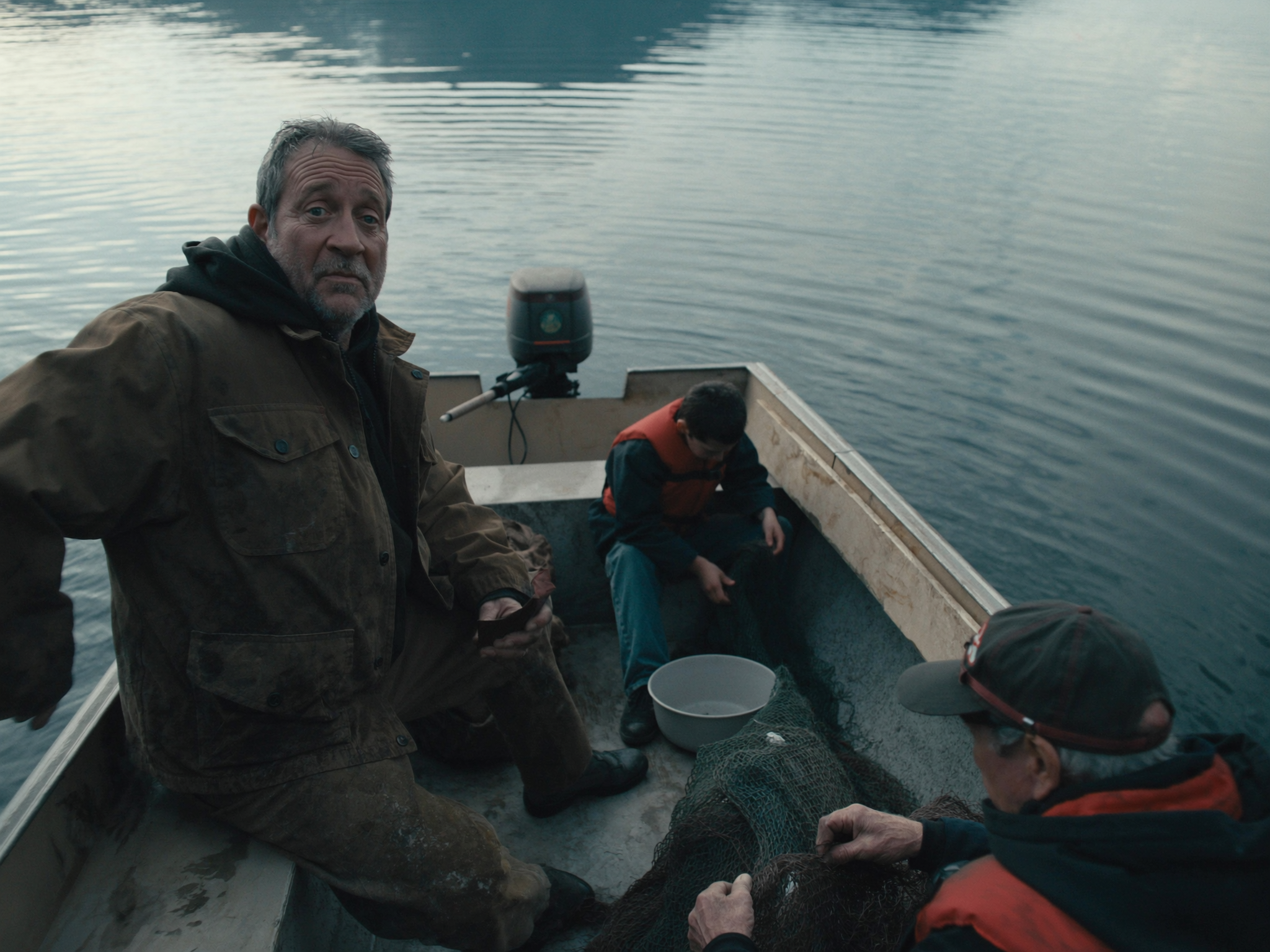
Popsie Fish Co. was born from a fundamental commitment: bring the best wild-caught Alaskan seafood directly to your door, without the middlemen, logistics chains, and quality compromises that plague conventional seafood supply. Our story begins with our own family's setnet site in Bristol Bay—three generations who know sustainable fishing isn't just good business, it's our responsibility to our community and ecosystem.
Instead of selling fish through commodity brokers, processors, or distribution networks that might result in fish changing hands three, four, or five times before reaching you, our family catches our sockeye on our own Bristol Bay setnet sites and sells it to you directly. Our halibut, Pacific cod and sablefish are wild-caught in Alaska by other Alaska fishermen, and we sell them under the Popsie name alongside our salmon. Our family's permits are for salmon only.
Bristol Bay Set Gillnet Fishing
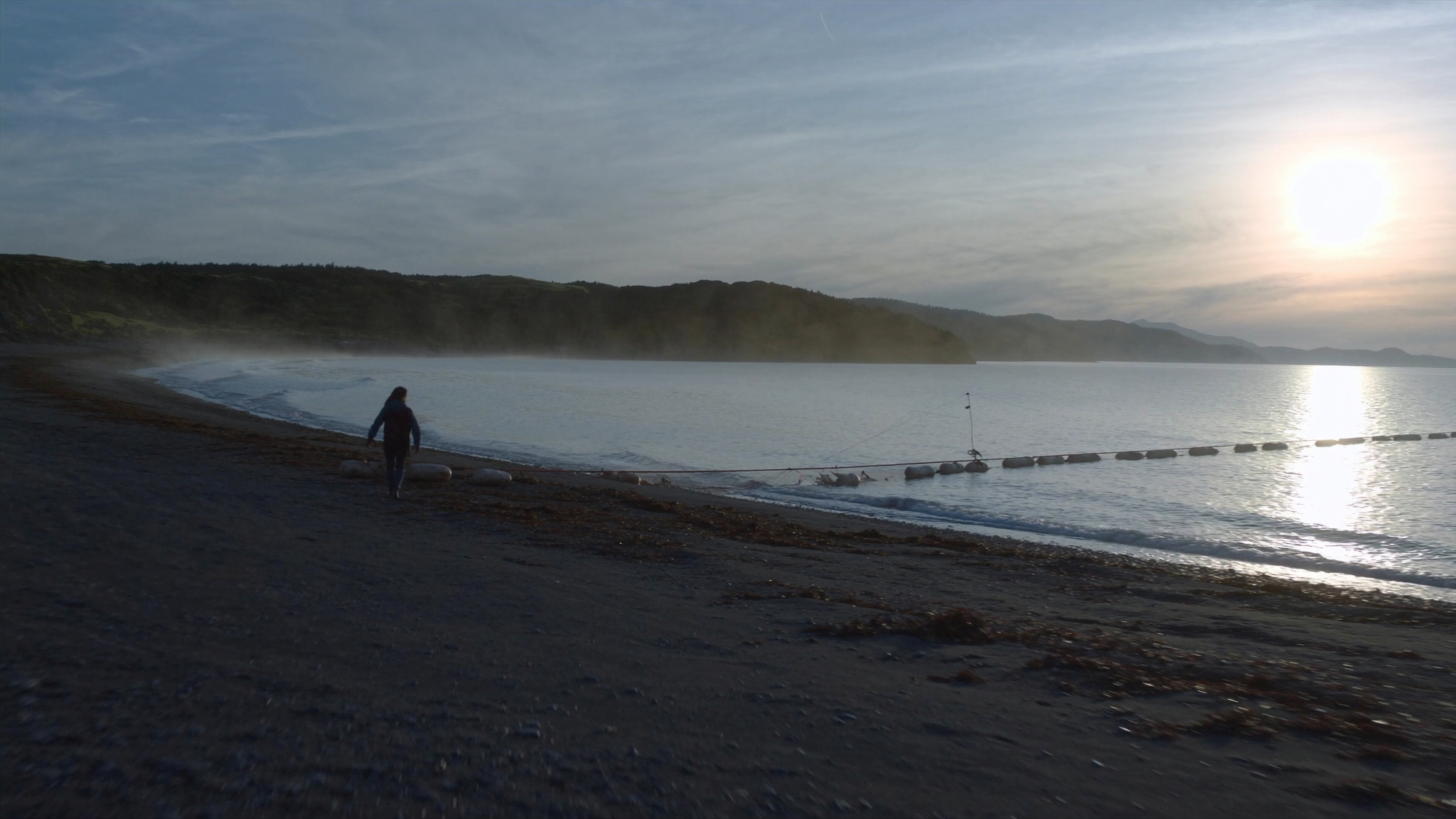
Our sockeye comes from Bristol Bay's set gillnet fishery—a method that has been refined over generations and is perfectly suited to Bristol Bay's conditions. Our nets are anchored to buoys off the beach in front of our fish camp near Egegik, and we pick every fish by hand from rafts. Here's how gillnet fishing works:
- The Gear: Gillnets are nets suspended in the water column. Fish are caught as they swim through, unable to avoid the net but usually unharmed at capture.
- Selectivity: Gillnets target specific fish sizes and can be modified to avoid bycatch of other species.
- No Bottom Impact: Unlike trawling, gillnets don't drag along the ocean floor, so they have minimal habitat impact.
- Minimal Bycatch: Bristol Bay's gillnet fisheries have exceptionally low bycatch of non-target species—typically under 1%.
This method is so effective and sustainable that it's been used in Bristol Bay for over a century. Modern improvements (like marine observer programs) have made it even more sustainable while preserving the essential character of the fishery.
Fish Handling from Catch to Processing
The moment a salmon is caught, quality and freshness are at risk. Our family handles every fish to the same standard:
- Immediate Bleeding and Icing: Every fish is bled the minute it comes out of the net and goes into slush ice to minimize bacterial growth and preserve tissue quality.
- Cold Chain Integrity: Fish are kept continuously cold from net to processing facility. Temperature fluctuations are the enemy of fresh fish.
- Rapid Processing: Fish are processed within hours of landing, not days. This preserves the delicate texture and nutritional profile.
- Expert Handling: Nobody picks a salmon up by the tail, which bruises the meat along the spine, and processors are trained to minimize bruising and damage, which affects both quality and shelf life.
This attention to detail is why wild Alaskan salmon maintains its superior nutritional profile—the handling practices preserve the delicate omega-3 fatty acids, vitamins, and minerals that make salmon such a valuable food.
Flash Freezing: Preserving Peak Quality
Immediately after processing, our sockeye undergoes flash freezing at -40°F or below. This ultra-rapid freezing process has revolutionary benefits:
- Crystal Size Matters: Slow freezing creates large ice crystals that rupture cell membranes. Flash freezing creates tiny crystals that preserve cellular structure.
- Texture Preservation: Flash-frozen fish thaws nearly identically to fresh fish because the cellular structure is preserved.
- Nutrient Retention: The rapid process minimizes nutrient loss and oxidative damage.
- Extended Shelf Life: Vacuum-sealed, flash-frozen fish keeps its best quality for 6 to 12 months at 0°F or below, versus days for fresh fish.
Relationship with Fishing Communities
Popsie's commitment to sustainability extends beyond the fish. We're committed to supporting the fishing communities that make Bristol Bay sustainable. This means:
- Fishermen Selling Their Own Catch: Our family catches the sockeye we sell, so what you pay goes to the people who fished it rather than to a chain of brokers and distributors.
- Selling Bristol Bay Sockeye: We support the fishery the most direct way we can: by catching and selling Bristol Bay sockeye and telling customers exactly where it comes from.
- Respect for Tradition: Three generations of our family fish our setnet sites near Egegik every summer, and the work passes from Tony and Gwen to their children and grandchildren.
When you buy Popsie salmon, you're not just buying fish—you're supporting the people and communities that protect Bristol Bay's ecosystem for future generations.
From Ocean to Table: The Supply Chain Journey
The Journey: Ocean to Your Door
Here's the complete supply chain that takes Bristol Bay salmon from the water to your kitchen:
Ocean → Setnet: Our family catches sockeye in set gillnets anchored off the beach, picks every fish by hand from rafts, bleeds it right away, and puts it in slush ice.
Beach → Processing Facility: The fish are hauled up the beach by four-wheeler and delivered to the processor, typically within 12-24 hours of capture. Fish remain iced and cold throughout.
Processing → Flash Freezing: Fish are cleaned, filleted or portioned, inspected for quality, and immediately frozen to -40°F or below using specialized equipment.
Flash Frozen → Insulated Packaging: Fish are packed in vacuum-sealed portions inside insulated boxes designed for long-distance shipping while maintaining temperature.
Shipping → Your Door: Orders ship on Tuesdays and Wednesdays, packed with dry ice.
Your Freezer → Your Kitchen: Upon arrival, fish go directly into your home freezer where they keep their best quality for 6 to 12 months at 0°F or below.
Cold Chain Integrity: The Critical Factor
The entire supply chain is built around one principle: never let the fish get warm. Every step is designed to maintain temperature integrity:
- Tracking: You get a tracking number as soon as your order ships, so you can get the box into your freezer promptly.
- Insulation: Shipping boxes use advanced insulation and dry ice to keep the fish frozen even during multi-day transit.
- Timing: We ship on Tuesdays and Wednesdays to minimize time the fish spends in transit.
- Guarantee: If a box ever arrives damaged or thawed, contact us and we'll make it right under our satisfaction guarantee.
This cold chain excellence is why Popsie fish thaws beautifully and cooks with the texture of fresh fish—the science is in the handling.
How Popsie's Supply Chain Differs from Grocery Store Fish
Most fish sold in grocery stores has a very different supply chain:
| Factor | Popsie Direct | Grocery Store |
|---|---|---|
| Time from Catch to Freezing | Within hours (flash-frozen after processing) | Fresh-counter fish: often days to weeks old |
| Middlemen | 1-2 (processor, shipper) | 4-6+ (processor, distributor, wholesaler, retailer) |
| Temperature Control | Frozen solid, packed with dry ice | Unknown/variable |
| Thaw Status at Sale | Frozen solid | Often partially thawed (repeatedly) |
| Traceability | Fish, fisherman, setnet site, date | Often unknown origin |
This explains why Popsie's salmon outperforms grocery store seafood. The entire supply chain is optimized for quality preservation, not just cost minimization.
Carbon Footprint & Environmental Responsibility
The Environmental Cost Comparison
One frequently asked question: if salmon is shipped frozen to your door, what's the carbon footprint compared to driving to the grocery store or buying local meat?
The answer might surprise you. Research from UC Davis and other institutions shows that the carbon footprint of wild-caught seafood is significantly lower than land-based proteins:
| Protein Source | Carbon Footprint (kg CO₂/kg protein) |
|---|---|
| Wild Alaskan Salmon | 3.1 |
| Farmed Salmon | 5.8 |
| Chicken | 4.2 |
| Pork | 7.2 |
| Beef | 27.0 |
Wild Alaskan salmon's low carbon footprint comes from several factors:
- No Feed Inputs: Wild salmon are harvested, not raised. There's no energy spent growing feed, transporting feed, or managing a farm infrastructure.
- Efficient Harvest: Modern fishing technology (boats, navigation, sonar) is energy-efficient compared to land-based farming infrastructure.
- Natural Processing: The salmon doesn't require artificial inputs, temperature-controlled facilities beyond basic processing.
- Refrigeration vs. Feed Production: The energy for freezing and shipping is lower than the energy for growing grain to feed cattle for a year.
Packaging and Sustainability
Popsie is committed to responsible packaging:
- Recyclable Boxes: Our cardboard outer boxes are recyclable, and the insulated foam liners can be recycled at participating facilities (check your local recycling guidelines).
- Minimal Plastic: We use vacuum-sealed pouches (necessary for food safety and freezing) but avoid excess plastic packaging.
- Right-Sized Boxes: Our packaging is sized appropriately to each order to minimize excess material.
- Continuous Improvement: We're always evaluating new sustainable packaging materials and updating our practices.
Shipping Optimization
To reduce our environmental impact, we optimize shipping in multiple ways:
- Consolidated Shipments: We batch orders when possible to reduce per-unit shipping carbon.
- Packaging Weight: Our insulation is designed for maximum thermal efficiency with minimal weight.
What Popsie Is Doing Beyond the Numbers
Environmental responsibility goes beyond carbon footprints. Popsie is committed to:
- Sustainable Sourcing: We source other ingredients (salt, spices, packaging materials) with sustainability in mind.
- Community Resilience: By supporting fishing communities, we're helping ensure the long-term viability of sustainable livelihoods.
- Education: Through our blog and content, we educate customers about sustainable seafood and environmental responsibility.
How You Can Help Protect Wild Fisheries
Choose Wild Over Farmed
The most direct impact you can have is your purchasing decision. By choosing wild-caught salmon and seafood over farmed, you're:
- Supporting fisheries that operate under rigorous sustainability standards
- Reducing demand for fish farms and their associated environmental damage
- Encouraging the development of more sustainable sourcing models
- Supporting fishing communities that are stewards of wild ecosystems
Start by making Popsie wild-caught salmon your go-to protein. One choice at a time, you reshape the market toward sustainability.
Read Labels and Know Your Source
When shopping for seafood, look for:
- Country of Origin: "Product of USA" or "Wild-caught Alaska" is what you're looking for. Be wary of ambiguous labeling.
- Wild vs. Farmed: This should always be clearly stated. If it's not, ask the fishmonger.
- Certification Marks: MSC certification (the blue fish logo) is a strong signal of sustainability.
- Fishing Method: "Drift gillnet" or "troll-caught" are generally lower-impact than other methods.
Support Sustainable Fisheries with Your Dollars
Every purchase is a vote. When you buy from companies committed to sustainability:
- You reward businesses for doing the right thing
- You create market incentives for other companies to improve practices
- You support the infrastructure (monitoring, management, enforcement) that makes sustainability possible
- You help fisheries stay economically viable despite the costs of sustainability
Sustainable seafood typically costs more because it's worth more—it reflects the true cost of protecting ecosystems and respecting fishers. This price difference is a feature, not a bug.
Reduce Food Waste
Supporting sustainable fisheries extends beyond the catch. How you use the fish matters:
- Proper Storage: Keep frozen fish frozen at -4°F or below. Don't leave it on the counter to thaw unless you're about to cook it.
- Use Completely: Popsie's ground salmon and tail portions ensure you can use every part of the fish.
- Batch Cooking: Prep multiple meals at once to avoid spoilage.
- Proper Thawing: Before refrigerator thawing, open or remove vacuum packaging, place the fish in a shallow covered container, keep it refrigerated, and follow package or processor instructions.
Reducing food waste is one of the most effective ways to lighten your environmental impact. Every meal you prepare from a sustainable ingredient is a win.
Spread Awareness
Knowledge spreads. When friends ask where your fish comes from or why you're enthusiastic about it, share what you know. Talk about:
- Bristol Bay's incredible sustainability story
- The difference between wild and farmed salmon
- The environmental advantage of wild seafood
- How Popsie's direct-from-fisherman model works
Sustainable seafood movements grow through word of mouth. Your enthusiasm and knowledge are powerful tools for change.
Frequently Asked Questions About Bristol Bay Sustainability
Is wild Alaskan salmon really sustainable?
Yes. Bristol Bay has maintained sustainable salmon populations for over 60 years under rigorous management and achieved record-breaking runs in recent years (about 79 million sockeye in 2022, the largest run on record). Its sockeye is part of the Alaska salmon fishery, which has held Marine Stewardship Council (MSC) certification since 2000. The combination of Alaska's constitutional sustainability mandate, real-time monitoring technology, escapement goals, in-season management, and enforcement has proven effective at maintaining wild salmon populations indefinitely. This is backed by decades of scientific data and third-party certification.
What does Marine Stewardship Council (MSC) certification actually mean?
MSC is an independent, non-profit certification body that verifies wild fisheries meet sustainability standards. Certification requires demonstrating healthy fish stocks, minimal ecosystem impact, and effective management systems. The Alaska salmon fishery, which includes Bristol Bay sockeye, has held MSC certification since 2000; MSC certificates run for up to five years, with annual third-party surveillance audits. It's the global gold standard for wild fisheries—less than 14% of global fish catches hold MSC certification.
How is wild salmon different from farmed environmentally?
Wild salmon require no feed inputs, create no net pens or concentrated waste, support natural ecosystem nutrient cycling, and don't risk genetic contamination of wild populations. Farmed salmon, by contrast, require 1.5-3 lbs of wild forage fish per pound of farmed salmon (depleting other wild stocks), create concentrated waste that kills benthic ecosystems, concentrate diseases, and risk contaminating wild populations through escapes. Wild salmon also has a carbon footprint roughly 2x lower than farmed salmon.
Is Bristol Bay overfished?
No. Bristol Bay is not overfished and hasn't been significantly overfished in the modern era. Stock assessments consistently show healthy populations, escapement goals are consistently met or exceeded, and recent runs have broken historical records. In 2022, about 79 million sockeye returned to Bristol Bay—the largest run on record. The fishery's robust management system ensures overfishing doesn't occur.
What about mercury in wild salmon?
Salmon is among the lowest-mercury fish: fresh and frozen salmon average 0.022 ppm in FDA testing (FDA 1990-2012 table), about 45 times below the FDA's 1 ppm action level. FDA does not report wild and farmed salmon separately, and many other fish (tuna, swordfish) contain significantly more. The nutritional benefits of wild salmon (omega-3s, selenium, vitamin D) far outweigh any minimal mercury risk. Health authorities worldwide recommend regular salmon consumption as part of a healthy diet.
How does Popsie source its fish?
Our family catches our sockeye on our own Bristol Bay setnet sites, so there are no middlemen and the chain is short and documented. Every fish is picked from the net by hand, bled and slush-iced right away, processed within hours of landing, flash-frozen to preserve quality, and shipped directly to customers in insulated boxes. Our halibut, Pacific cod and sablefish are wild-caught in Alaska by other Alaska fishermen, and we sell them under the Popsie name alongside our salmon.
Is frozen fish as good as fresh?
Flash-frozen fish is nutritionally equivalent to fresh fish and often superior in texture because modern freezing preserves cellular structure. The real difference is in handling—Popsie's sockeye is frozen within hours of landing while "fresh" grocery store fish may be days or weeks old by the time you buy it. Flash-frozen Popsie salmon thaws to a texture virtually indistinguishable from truly fresh fish, while grocery store "fresh" fish often has been partially thawed multiple times, degrading quality.
What happens to salmon that aren't caught?
That's the entire point of escapement goals. A significant portion of each salmon run is allowed to escape fishing and return to rivers to spawn. These salmon replenish populations, fertilize freshwater and terrestrial ecosystems (bears, eagles, forests depend on spawning salmon), and produce the next generation of wild fish. Alaska's escapement system ensures enough salmon escape in every year to maintain population viability. In the past 20 years, Bristol Bay has consistently met or exceeded escapement goals even while supporting a productive commercial fishery.
How does wild salmon fishing support local communities?
Bristol Bay salmon fishing generates roughly $2 billion annually in economic value, supports thousands of fishermen and their families, and is critical to the economies of southwestern Alaska communities. Beyond direct fishing income, the industry supports processing, transportation, equipment manufacturing, and service industries. Healthy fishing populations mean stable, predictable income for fishing families. When you buy sockeye directly from a Bristol Bay fishing family like ours, the money goes straight to the people who caught it.
What's the carbon footprint of shipping frozen fish?
The carbon footprint of wild Alaskan salmon (including fishing, processing, freezing, and shipping) is approximately 3.1 kg CO₂ per kg of protein. Compare this to beef (27 kg CO₂/kg), pork (7.2 kg CO₂/kg), farmed salmon (5.8 kg CO₂/kg), and chicken (4.2 kg CO₂/kg). The shipping carbon is minimal compared to the energy required to raise land-based livestock. Even when shipped across the continent in insulated boxes, wild salmon remains one of the most carbon-efficient protein choices available.
Make Sustainable Seafood Your Standard
Now that you understand Bristol Bay's incredible sustainability story, the science behind wild-caught seafood, and why direct sourcing matters, it's time to experience Popsie's difference for yourself.
Explore Our Wild-Caught Selection
From our own Bristol Bay sockeye to wild Alaska halibut, Pacific cod and sablefish—experience the freshness and quality of wild Alaska seafood.
Shop All ProductsShop Our Wild Seafood
Choose from salmon fillets, halibut portions, cod, sablefish, and more.
Shop Our CollectionQuestions about sourcing or sustainability? Check our full FAQ or reach out to our team—we love talking about Bristol Bay.