
For Expecting Families
Seafood During Pregnancy: Safety, Benefits & What to Eat
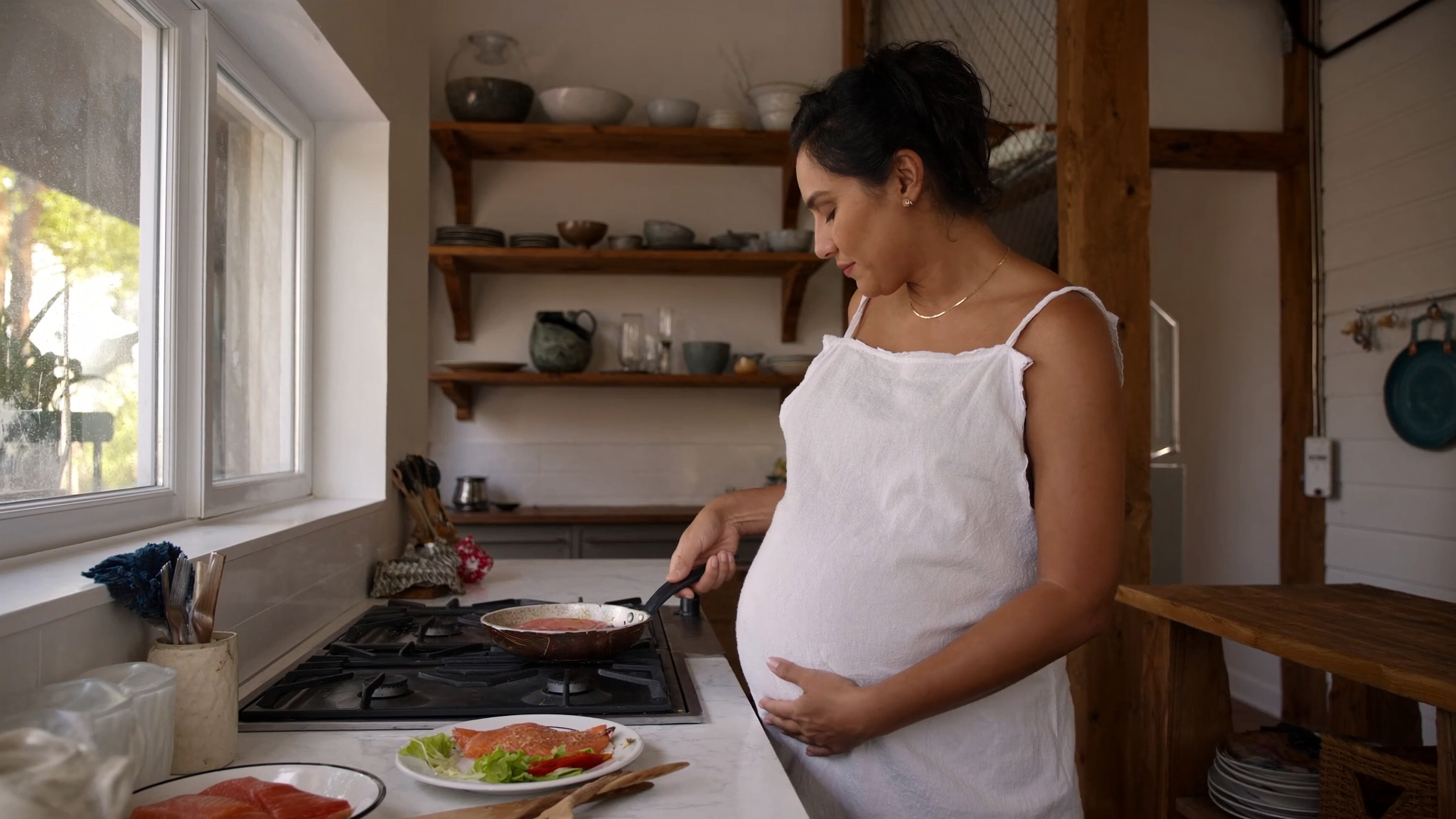
What's safe, what's not, and how to use wild sockeye to hit DHA targets without the mercury worry.
Important Medical Disclaimer
This guide is for informational purposes only and does not constitute medical advice, diagnosis, or treatment. Every pregnancy is unique, and individual dietary needs vary based on health conditions, medications, allergies, and other factors.
Always consult your OB-GYN, midwife, or healthcare provider before making changes to your diet during pregnancy or while breastfeeding. If you have concerns about mercury exposure or seafood safety, speak with your doctor directly.
The information presented here reflects current published guidelines from the FDA, EPA, NIH, and peer-reviewed research as of the date above. Guidelines may change as new research emerges.
Key Takeaways
- The FDA and EPA recommend pregnant individuals eat 2–3 servings of low-mercury fish per week — not avoid fish altogether.[1]
- DHA, an omega-3 fatty acid, is concentrated in the baby’s developing brain and eyes and accumulates most rapidly during the third trimester.[2]
- Salmon has among the lowest mercury levels of any commonly eaten fish (FDA average 0.022 ppm for fresh/frozen salmon).[3]
- Research suggests children born to mothers who ate fish during pregnancy may score higher on cognitive development assessments.[4]
- All fish should be cooked to an internal temperature of 145°F during pregnancy, per USDA guidelines.[5]
- Consult your healthcare provider for personalized dietary recommendations during pregnancy.
- Why Seafood Matters During Pregnancy
- DHA & Fetal Brain Development
- Mercury in Seafood: Separating Fear from Facts
- Safe Fish for Pregnancy: A Tiered Guide
- Nutritional Benefits Beyond DHA
- Trimester-by-Trimester Seafood Guide
- How to Prepare Fish Safely During Pregnancy
- Wild vs. Farmed Fish During Pregnancy
- A Week of Pregnancy-Safe Seafood Meals
- Common Myths About Seafood & Pregnancy
- Frequently Asked Questions
- Pregnancy-Friendly Salmon Recipes
- References & Citations
Storage matters as much as preparation. The complete salmon storage guide covers the exact safe windows for raw salmon (1–2 days fridge), cooked salmon (3–4 days), and frozen (best quality within 6–12 months at 0°F or below, vacuum-sealed) — safety windows that matter during pregnancy.
Why Seafood Matters During Pregnancy
For decades, many expectant parents received a simple but misleading message: avoid fish during pregnancy because of mercury. However, current evidence — and the official position of the FDA and EPA — has shifted dramatically. Research now indicates that the benefits of eating low-mercury fish during pregnancy far outweigh the risks of avoiding it entirely.[1]
The Paradigm Shift: From “Avoid Fish” to “Eat More Fish”
In January 2017, the FDA and EPA issued joint advice (revised in July 2019 and again in October 2021) that moved away from a blanket caution about fish and instead encouraged pregnant and breastfeeding individuals to consume 2 to 3 servings (8 to 12 ounces) of lower-mercury fish per week.[1] This represented a landmark change in how federal agencies communicate about seafood and pregnancy.
The advisory specifically noted that many individuals were eating less fish than recommended and that this nutritional gap may have consequences for fetal development. Salmon — wild or farmed, any species — is listed among the “Best Choices,” the lowest-mercury tier.[1]
FDA/EPA Advice about Eating Fish (revised October 2021)
The FDA and EPA jointly recommend that pregnant individuals eat 2–3 servings (8–12 oz) per week from the “Best Choices” list, which includes salmon of all species, cod, pollock, tilapia, and shrimp — or 1 serving from the “Good Choices” list and no other fish that week. These agencies emphasize that eating less fish than recommended may deprive children of important developmental nutrients.[1]
What the Research Shows
A landmark 2007 study published in The Lancet by Hibbeln et al. followed nearly 12,000 pregnant women and their children. The researchers found that children born to mothers who consumed fewer than 340 grams of seafood per week during pregnancy were more likely to have suboptimal outcomes on assessments of verbal IQ, fine motor skills, prosocial behavior, and communication development at ages 6 months through 8 years.[4]
This study was pivotal because it suggested that the risk of not eating fish during pregnancy may be greater than the risk of low-level mercury exposure from consuming recommended amounts of low-mercury species.[4]
What Expert Groups Advise
There is no U.S. RDA for DHA. An FAO (UN Food and Agriculture Organization) expert consultation advises at least 300 mg a day of EPA + DHA in pregnancy, including 200 mg of DHA; Europe’s EFSA advises 250 mg EPA + DHA plus an extra 100–200 mg DHA. U.S. agencies express it as 8–12 ounces of lower-mercury fish a week.[6][11]
The American College of Obstetricians and Gynecologists (ACOG) supports the FDA recommendation, advising pregnant patients that low-mercury fish is a valuable part of a healthy pregnancy diet.[7]
Looking for a low-mercury source of DHA and protein for your pregnancy?
Shop Wild Alaska SalmonDHA & Fetal Brain Development
Docosahexaenoic acid (DHA) is a long-chain omega-3 fatty acid that serves as a primary structural component of the human brain and retina. During pregnancy, DHA plays an especially critical role because the developing fetal brain accumulates this nutrient at a rapid rate.[2]
How DHA Builds the Fetal Brain
DHA is especially concentrated in the brain and retina.[8] During the third trimester, the fetal brain undergoes a period of especially rapid growth and accumulates DHA faster than at any other point in pregnancy; brain DHA keeps building through the first 2 years after birth.[9][11]
Research suggests that this DHA is primarily supplied by the mother’s diet and circulating DHA stores. The developing baby cannot produce adequate DHA on its own and depends largely on maternal transfer via the placenta.[2]
Important Note on DHA Supplements
If you cannot eat fish due to nausea, allergies, or dietary restrictions, speak with your healthcare provider about DHA supplementation. Prenatal vitamins with DHA may help bridge the gap, though whole-food sources like wild salmon provide additional nutrients (protein, selenium, vitamin D) that supplements alone do not.[7] And as the FDA notes, “You can have a healthy baby even if you don’t eat fish.”[1]
Maternal Fish Intake & Child Cognitive Outcomes
Multiple observational studies suggest a correlation between maternal fish consumption during pregnancy and improved cognitive scores in children.[14] In the Hibbeln 2007 Lancet study, children of mothers who ate no seafood in pregnancy were more likely to score in the lowest quarter for verbal IQ at age 8 (odds ratio 1.48) than children of mothers who ate more than 12 ounces (340 g) a week.[4]
A 2018 Cochrane review of 70 trials (19,927 women) found that long-chain omega-3s in pregnancy — given mostly as supplements, not as fish — reduced preterm birth (before 37 weeks) by 11% and early preterm birth (before 34 weeks) by 42%.[10]
It is important to note that the fish studies above are correlational findings. Research suggests a relationship between fish intake and developmental outcomes, but individual results depend on many factors. Consult your healthcare provider for guidance specific to your pregnancy.
How Much DHA Do You Need?
There is no U.S. RDA for DHA. Expert groups suggest these targets during pregnancy:
A 6 oz cooked serving of wild sockeye has about 950 mg of DHA (a 6 oz raw portion has about 800 mg).[12] Two 6-oz cooked servings a week supply about 1,900 mg of DHA — about 270 mg a day on average. Three FDA-size (4 oz raw) servings supply about 1,600 mg, about 230 mg a day.
→ Deep Dive: The Complete Guide to Omega-3s in Wild SalmonMercury in Seafood: Separating Fear from Facts
Mercury concerns are the primary reason many expectant parents avoid fish during pregnancy. While the concern is understandable, current evidence suggests that understanding which fish to eat — rather than avoiding all fish — is the approach recommended by the FDA, EPA, and leading health organizations.[1]
What Is Methylmercury & How Does It Get in Fish?
Mercury is a naturally occurring element that enters waterways through both natural processes (volcanic eruptions, weathering of rocks) and human activities (coal-burning power plants, industrial processes). In aquatic environments, bacteria convert inorganic mercury into methylmercury, which is the organic form that accumulates in fish tissue.[13]
Methylmercury bioaccumulates through the food chain: smaller organisms absorb it, are eaten by small fish, which are eaten by larger fish. This is why predatory fish at the top of the food chain — such as swordfish, shark, and king mackerel — tend to have the highest mercury concentrations.[13]
Short-lived fish that feed lower on the food chain, such as wild salmon, tend to have significantly lower mercury levels. Wild Alaska salmon typically feed on smaller fish, krill, and plankton in cold, clean oceanic waters, and have a relatively short food chain compared to large tropical predators.[3]
Mercury Levels by Species
The FDA publishes monitoring data on mercury concentrations across commercial fish species. The table below shows average mercury levels (in parts per million) for commonly consumed species, organized by the FDA’s pregnancy safety categories:[3]
| Species | Avg Mercury (ppm) | FDA Category | Pregnancy Guidance |
|---|---|---|---|
| Salmon (fresh/frozen, wild or farmed) | 0.022 | Best Choice | 2–3 servings/week |
| Cod | 0.111 | Best Choice | 2–3 servings/week |
| Pollock | 0.031 | Best Choice | 2–3 servings/week |
| Tilapia | 0.013 | Best Choice | 2–3 servings/week |
| Halibut | 0.241 | Good Choice | 1 serving/week, no other fish that week |
| Sablefish (Black Cod) | 0.361 | Good Choice | 1 serving/week, no other fish that week |
| Canned Light Tuna | 0.126 | Best Choice | 2–3 servings/week |
| Swordfish | 0.995 | Avoid | Do not eat |
| Shark | 0.979 | Avoid | Do not eat |
| King Mackerel | 0.730 | Avoid | Do not eat |
| Bigeye Tuna | 0.689 | Avoid | Do not eat |
Source: FDA Mercury Monitoring Program, published mercury concentration data for commercial fish species.[3]
Why Salmon Is Among the Lowest-Mercury Fish
Wild Alaska salmon species (sockeye, king/chinook, coho, pink, chum) have very short lifespans (2–7 years) and feed relatively low on the food chain compared to large predators. They spend their ocean years in the cold, clean waters of the North Pacific. These factors help explain why salmon is so low in mercury: FDA testing puts fresh/frozen salmon (wild and farmed together) at an average of 0.022 ppm, roughly 45 times lower than swordfish.[3]
Safe Fish for Pregnancy: A Tiered Guide
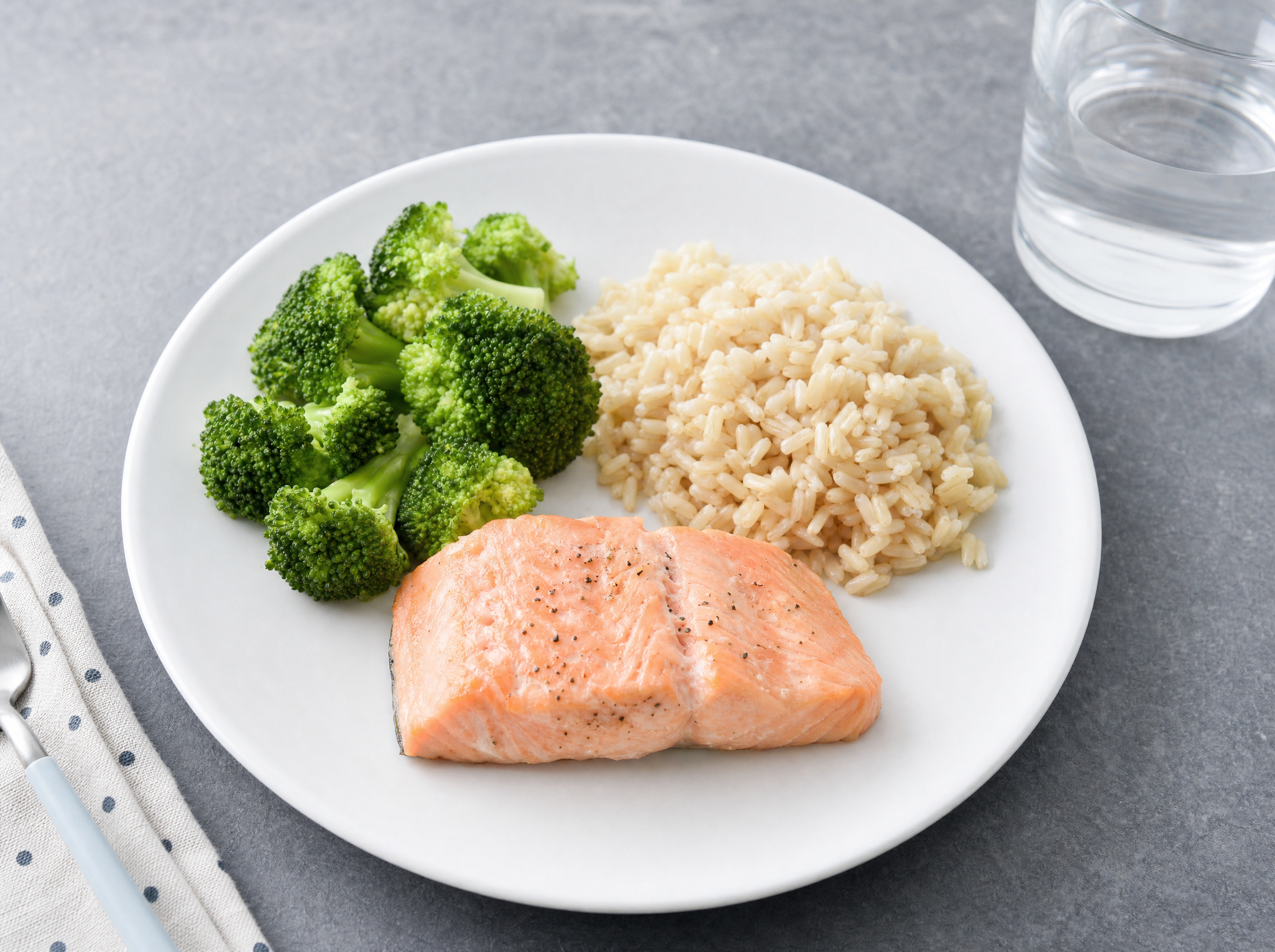
The FDA organizes commonly eaten fish into three categories for pregnant and breastfeeding individuals. These categories are based on mercury levels and are updated periodically as new monitoring data becomes available.[1]
Best Choices — 2 to 3 Servings Per Week
FDA’s lowest-mercury category. Safe for regular consumption during pregnancy.[1]
Good Choices — 1 Serving Per Week
Moderate mercury. During pregnancy: 1 serving (4 oz) a week, and no other fish that week.[1]
Choices to Avoid During Pregnancy
High mercury levels. The FDA recommends pregnant individuals avoid these species entirely.[1]
A note on individual variation: Mercury sensitivity can vary between individuals. If you have specific health concerns, a history of high fish consumption, or kidney conditions, your healthcare provider may recommend additional monitoring or adjusted intake levels. These FDA categories are population-level guidelines, not individual prescriptions.[1]
Nutritional Benefits of Seafood Beyond DHA
While DHA receives the most attention in the context of pregnancy nutrition, wild fish like salmon provide a broad spectrum of nutrients that may support maternal health and fetal development. Here are the key nutrients research has identified:[1]
Complete Protein for Growing Demands
During pregnancy, protein needs increase.[7] A 6 oz cooked serving of wild sockeye has about 45 grams of high-quality complete protein (about 38 g in a 6 oz raw portion), containing all essential amino acids needed for fetal tissue growth.[12]
Iron & Vitamin B12: Healthy Blood
Iron-deficiency anemia is one of the most common nutritional concerns during pregnancy.[15] Fish supplies some iron in its readily absorbed heme form, along with vitamin B12, which works alongside iron to support healthy red blood cell production.[1]
A 6 oz cooked serving of wild sockeye has about 7.6 mcg of vitamin B12 — nearly three times the 2.6 mcg RDA in pregnancy.[12] Adequate B12 during pregnancy is associated with healthy neural tube development and may help reduce the risk of certain birth defects, according to research published in peer-reviewed journals.[16]
Selenium: Thyroid & Antioxidant Support
Selenium is an essential trace mineral that plays a role in thyroid hormone metabolism and antioxidant defense. During pregnancy, thyroid function is critical for fetal brain development. Wild sockeye is an excellent source of selenium: a 6 oz cooked serving has about 60 mcg, about the full 60 mcg RDA in pregnancy.[12]
In a 2007 trial published in the Journal of Clinical Endocrinology & Metabolism, selenium supplements given to pregnant women with thyroid autoimmunity reduced postpartum thyroid problems. Healthy thyroid function is essential for fetal neurological development.[17]
Iodine: Fetal Thyroid Development
Iodine is required for the production of thyroid hormones in both mother and baby. The developing baby depends on the mother’s iodine supply throughout pregnancy.[18] Seafood is one of the best natural dietary sources of iodine, and research suggests that adequate iodine intake during pregnancy is associated with healthier cognitive outcomes in children.[18]
Vitamin D: Bone & Immune Development
Vitamin D deficiency during pregnancy is common and has been associated with an increased risk of complications in observational studies.[19] Wild salmon — particularly sockeye — is one of the few foods naturally rich in vitamin D: a 6 oz cooked serving of sockeye has about 1,140 IU (28 mcg), and a 3 oz serving about 570 IU. The RDA in pregnancy is 600 IU (15 mcg).[12]
Note: Nutrient values are approximate and can vary by species, preparation method, and portion size. Consult your healthcare provider or a registered dietitian for personalized nutritional guidance during pregnancy.
→ Full Guide: Health Benefits of Wild Alaska SalmonTrimester-by-Trimester Seafood Guide
Nutritional needs shift throughout pregnancy as the baby grows through different developmental stages. The following trimester-specific guidance reflects current research and general recommendations. Always consult your healthcare provider for advice tailored to your individual pregnancy.[7]
First Trimester (Weeks 1–12)
Foundation & neural tube development
During the first trimester, many individuals experience nausea and food aversions that can make eating fish challenging. If you can tolerate seafood, mild-flavored, low-mercury options may be easier on the stomach:
- Mild fish choices: Cod, pink salmon, and pollock tend to have milder flavors and lighter aromas that may be better tolerated during morning sickness.
- DHA supplementation: If nausea prevents you from eating fish, ask your healthcare provider about a prenatal vitamin with DHA. This may help bridge the nutritional gap during this difficult period.[7]
- Small portions: Consider smaller, more frequent servings (3–4 oz) rather than full portions if nausea is an issue.
- Folate-rich pairings: Pair mild fish with folate-rich vegetables like spinach and asparagus. Folate is critical for neural tube development in these early weeks.[7]
Second Trimester (Weeks 13–26)
Rapid growth & increasing omega-3 needs
For many individuals, nausea subsides during the second trimester, making this an ideal time to increase seafood intake and build DHA stores for the critical third trimester ahead.
- Increase to 2–3 servings per week: If you can comfortably eat fish, aim for the FDA’s recommended 8–12 ounces per week from the “Best Choices” list.[1]
- Rotate species: Variety may help maximize nutrient diversity. Alternate between sockeye salmon (high DHA, vitamin D), cod (lean protein, iodine), and shrimp (selenium, low calorie).
- Iron needs rise: Blood volume expands during pregnancy, so iron needs go up. Fish adds some readily absorbed heme iron, along with vitamin B12.[1]
- Build DHA stores: The body stores DHA in preparation for the third trimester’s rapid fetal brain growth. Consistent intake during the second trimester may help ensure adequate stores.[2]
Third Trimester (Weeks 27–40)
Peak brain development & maximum DHA accretion
The third trimester represents the most intense period of fetal brain growth. Research shows the fetal brain accumulates DHA most rapidly during this stage.[9] To understand more about the connection between omega-3s and brain development across the lifespan, see our salmon heart and brain health guide.
- Prioritize fish that contain DHA: Salmon is a “Best Choice”; a 6 oz cooked serving of sockeye has about 950 mg of DHA. Sablefish has more DHA, but it is a “Good Choice”: 1 serving a week, and no other fish that week. Both are available at Popsie.[12][1]
- Maintain 2–3 servings per week: Consistent intake during this window may be particularly important for fetal brain development.[1]
- Protein for final growth: The third trimester is when fetal weight gain is most rapid. The high-quality protein in fish supports this growth phase.[7]
- Vitamin D preparation: If delivering in winter months, the vitamin D in wild salmon may be especially beneficial, as sunlight-derived vitamin D production is reduced.[19]
Postpartum & Breastfeeding
Continued DHA importance for nursing parents
The importance of DHA does not end at delivery. For those who breastfeed, DHA transfers to the infant through breast milk, and the concentration depends largely on the parent’s dietary intake.[20]
- Continue 2–3 servings per week: The FDA’s fish consumption advisory applies to breastfeeding individuals as well.[1]
- DHA in breast milk: Research suggests that breast milk DHA concentrations are directly related to maternal fish intake. Studies indicate that nursing parents who eat fish regularly may have significantly higher breast milk DHA levels.[20]
- Recovery nutrition: The protein, iron, B12, and vitamin D in wild salmon may also support postpartum recovery and energy levels.
- Consult your provider: Your healthcare team can advise on optimal nutrition for breastfeeding and postpartum health.
Ready to add more fish with omega-3s to your pregnancy diet?
Shop Wild Alaska Salmon
How to Prepare Fish Safely During Pregnancy
Choosing the right fish is only part of the equation. How you prepare and cook seafood matters for food safety during pregnancy. The following guidelines reflect USDA and FDA recommendations.[5]
Temperature Requirements
The USDA recommends cooking all fish and shellfish to an internal temperature of 145°F (63°C) during pregnancy. Use a food thermometer to verify — visual cues alone (flaking, color change) may not be sufficient to ensure all harmful bacteria and parasites have been eliminated.[5]
What Is Considered Safe During Pregnancy
Generally Considered Safe
- Fully cooked fish (145°F internal temp)
- Baked, grilled, broiled, or pan-seared fish
- Canned and shelf-stable fish (tuna, salmon, sardines)
- Commercially smoked fish if heated to 145°F
- Fish soups and stews (fully heated through)
- Shrimp, crab, and lobster (fully cooked)
Generally Recommended to Avoid
- Raw or undercooked fish and shellfish
- Sushi with raw fish (see note below)
- Raw oysters, clams, and mussels
- Ceviche (acid-cooked, not heat-cooked)
- Refrigerated smoked fish (unless heated)
- Fish from waters with local advisories
A Note on Sushi During Pregnancy
Most healthcare providers in the United States recommend avoiding raw fish sushi during pregnancy due to the risk of parasites and bacteria. However, it is worth noting that FDA guidelines state that fish that has been frozen to specific time/temperature requirements (–4°F or below for 7 days total, or frozen at –31°F until solid and held at –31°F for 15 hours) is considered to have met parasite destruction requirements.[21] Popsie’s sockeye and halibut portions are flash-frozen to meet that guidance, which is why we sell them as sashimi-grade. But freezing controls parasites, not bacteria, so the FDA advises pregnant women to eat seafood cooked to 145°F, and most OB-GYNs recommend cooked fish during pregnancy. Discuss this with your healthcare provider.
Flash-Frozen Wild Salmon & Food Safety
Wild Alaska salmon is typically flash-frozen soon after harvest. This rapid freezing to temperatures well below 0°F serves two purposes:[21]
- Parasite destruction: Freezing to the FDA’s parasite-destruction standards controls parasites (not bacteria). Popsie freezes its sockeye and halibut to meet that guidance.
- Freshness preservation: Flash-freezing locks in nutrients, texture, and flavor at peak freshness, often resulting in a product that may be nutritionally comparable to “fresh” fish that has spent days in transit.
When preparing frozen wild salmon, open or remove vacuum packaging before refrigerator thawing, place the fish in a shallow covered container, keep it refrigerated, and follow package or processor instructions. Do not thaw at room temperature, and cook to 145°F for maximum safety during pregnancy.[5]
→ Complete Cooking Guide: How to Cook Wild Alaska SalmonWild vs. Farmed Salmon During Pregnancy
Both wild and farmed salmon are listed in the FDA’s “Best Choices” category for pregnancy. However, a 2004 study found differences in contaminant profiles, described below.[1]
Contaminant Comparison
A widely cited 2004 study published in Science by Hites et al. analyzed over 2 metric tons of farmed and wild salmon from around the world. The researchers found that farmed salmon had significantly higher concentrations of certain organochlorine contaminants, including PCBs (polychlorinated biphenyls), dioxins, and several pesticide residues, compared with wild salmon.[22] Those results date from 2004; farm feeds have changed since.
It is important to note that both wild and farmed salmon typically fall well below FDA’s 2 ppm tolerance for PCBs in fish.[23]
Wild Alaska vs. Farmed Salmon at a Glance
Wild Alaska Salmon
Farmed Salmon
- Higher persistent organic pollutant levels in a 2004 study; feeds have changed since[22]
- Antibiotics may be used in some operations
- Pellet-based feed (varies by farm)
- Mercury: FDA does not report farmed separately from wild[3]
- Added astaxanthin (synthetic or natural)
- Environmental impact varies by operation
It is important to emphasize that both wild and farmed salmon are considered safe and nutritious choices during pregnancy by the FDA. The contaminant differences measured in 2004 were generally below regulatory action levels, and farm feeds have changed since, so that study is not a guide to farmed salmon sold today.[22]
As always, the most important message is to eat fish during pregnancy rather than avoid it. If farmed salmon is what is available and affordable, it remains a far better nutritional choice than eating no fish at all.[1]
→ Full Comparison: Wild-Caught vs. Farm-Raised SalmonA Week of Pregnancy-Safe Seafood Meals
This sample plan spreads about 12 ounces of low-mercury fish across four meals — the top of FDA/EPA’s 8–12 oz a week for pregnancy. All fish cooked to 145°F.[1] Consult your healthcare provider for personalized guidance.
Monday
Baked sockeye salmon with roasted sweet potatoes and steamed broccoli. (~3 oz raw, ~400 mg DHA)
Tuesday
Grilled chicken with quinoa and spinach salad. (Non-fish day)
Wednesday
Pan-seared cod with brown rice and asparagus. (~3 oz cod, iodine-rich)
Thursday
Turkey avocado wrap with carrot sticks and hummus. (Non-fish day)
Friday
Salmon chowder with pink salmon, potatoes, corn, and dill. (~3 oz salmon per bowl)
Saturday
Bean and vegetable stir-fry with tofu over brown rice. (Plant-based day)
Sunday
Lemon-herb baked sockeye salmon with roasted vegetables and wild rice. (~3 oz sockeye)
Four ~3 oz fish meals (~12 oz total), within FDA/EPA’s 8–12 oz a week. DHA values approximate (USDA). Consult a dietitian for personalized needs.
Common Myths About Seafood & Pregnancy
Misinformation about fish and pregnancy is widespread. Below we address common myths using evidence from research and official guidelines.
Myth: “Pregnant people should avoid all fish.”
Evidence: The FDA/EPA recommend 2–3 servings of low-mercury fish per week. Research suggests avoiding fish may deprive the baby of DHA and other critical nutrients.[1][4]
Myth: “All fish have dangerous mercury levels.”
Evidence: Mercury varies enormously. Fresh/frozen salmon averages 0.022 ppm — ~45x lower than swordfish (0.995 ppm). FDA classifies salmon as “Best Choices.”[3]
Myth: “Frozen fish is less nutritious than fresh.”
Evidence: Flash-frozen salmon is frozen soon after harvest, and FDA’s advice lists salmon as a Best Choice whether canned, fresh, or frozen.[1]
Myth: “Fish oil supplements are just as good as eating fish.”
Evidence: Whole fish provides protein, selenium, vitamin D, B12, and iodine that supplements do not replicate. However, supplements are valuable for those who cannot eat fish.[1]
Myth: “You can’t eat seafood in the first trimester.”
Evidence: No trimester-specific restriction exists. The 2–3 servings/week recommendation applies throughout pregnancy. Mild species like cod may help if nausea is an issue.[1]
Myth: “Canned fish is unsafe during pregnancy.”
Evidence: Canned fish is fully cooked during processing. FDA lists canned light tuna as “Best Choices.” Canned salmon retains DHA and is a convenient, affordable option.[1]
Frequently Asked Questions
General informational answers based on published guidelines. Always consult your healthcare provider for advice specific to your pregnancy.
Yes. The FDA/EPA classify all salmon species as “Best Choices” — safe for 2–3 servings/week. Fresh/frozen salmon (wild and farmed together) averages just 0.022 ppm mercury, and salmon supplies DHA, protein, and vitamin D.[1]
The FDA/EPA recommend 8–12 ounces (2–3 servings) of low-mercury fish per week. Choose from “Best Choices” (salmon, cod, pollock, shrimp) and limit “Good Choices” (such as halibut or sablefish) to 1 serving a week, with no other fish that week.[1]
Avoid swordfish, shark, king mackerel, tilefish (Gulf), bigeye tuna, orange roughy, and marlin. Also avoid raw or undercooked fish and shellfish.[1]
There is no U.S. RDA for DHA. An FAO expert consultation advises at least 300 mg/day of EPA + DHA in pregnancy, including 200 mg DHA; Europe’s EFSA advises 250 mg EPA + DHA plus an extra 100–200 mg DHA. A 6 oz cooked serving of wild sockeye has about 950 mg DHA (about 800 mg in a 6 oz raw portion).[6][11][12]
Most U.S. providers recommend avoiding raw fish sushi during pregnancy. Cooked rolls (California, shrimp tempura) are generally safe. Freezing controls parasites, not bacteria, so the FDA advises pregnant women to eat seafood cooked to 145°F — even fish frozen to sashimi-grade standards.[21]
Both are FDA “Best Choices.” A 2004 study found persistent organic pollutants such as PCBs and dioxins significantly higher in farmed salmon than in wild; farm feeds have changed since, so that study may not reflect farmed salmon sold today.[22]
Observational studies suggest a correlation between maternal fish intake and improved cognitive scores. These are correlational findings; many factors influence development.[4]
Refrigerated smoked salmon, whether cold-smoked (lox, nova) or hot-smoked (kippered), can carry Listeria. The FDA advises eating it during pregnancy only in a cooked dish, such as a casserole, heated until steaming hot, or choosing canned or shelf-stable smoked salmon. Ask your provider.[5]
If eating 2–3 servings of DHA-containing fish such as salmon weekly, you may meet targets through diet alone. Discuss supplements with your healthcare provider.[7]
Yes, in moderation. FDA classifies halibut as a “Good Choice” — 1 serving (4 oz) a week, and no other fish that week. Mercury is moderate (0.241 ppm) but below the “Avoid” threshold.[1]
Pregnancy-Friendly Recipes
Fully cooked, low-mercury recipes with mild flavors. Cook all fish to 145°F.[5]
Lemon-Herb Baked Sockeye
Baked sockeye with lemon, dill, olive oil. Pair with roasted potatoes and green beans.
Creamy Salmon Chowder
Pink salmon, potatoes, corn, dill in creamy broth. Comfort food, fully cooked.
Teriyaki Salmon Bowl
Pan-seared coho with teriyaki glaze over brown rice, edamame, steamed carrots.
Salmon & Sweet Potato Sheet Pan
King salmon, sweet potatoes, broccoli roasted with garlic and olive oil.
Mild Salmon Patties
Canned wild salmon patties with breadcrumbs, egg, and herbs. Budget-friendly.
Garlic Butter Cod with Rice
Pan-seared cod in garlic butter with jasmine rice and spinach. Mild, nausea-friendly.
Related Guides
Nourish Your Pregnancy with Wild Alaska Salmon
Flash-frozen at peak freshness. Among the lowest mercury of any fish. About 800 mg DHA per 6 oz sockeye portion (USDA average), plus protein and vitamin D.
Shop Wild Alaska SalmonShips frozen on dry ice
References & Citations
- FDA & EPA. “Advice About Eating Fish.” FDA.gov. Oct 2021. FDA.gov: Advice About Eating Fish
- Coletta JM et al. “Omega-3 Fatty Acids and Pregnancy.” Rev Obstet Gynecol. 2010;3(4):163-171.
- FDA. “Mercury Levels in Commercial Fish and Shellfish (1990–2012).” FDA.gov: Mercury Levels in Commercial Fish
- Hibbeln JR et al. “Maternal seafood consumption and neurodevelopmental outcomes.” Lancet. 2007;369(9561):578-585.
- USDA. “Safe Minimum Internal Temperature Chart.” FoodSafety.gov: Safe Minimum Cooking Temperatures
- FAO. “Fats and Fatty Acids in Human Nutrition: Report of an Expert Consultation.” FAO Food and Nutrition Paper 91. Rome: FAO; 2010.
- ACOG. “Nutrition During Pregnancy.” FAQ001. Updated 2023.
- McNamara RK, Carlson SE. Prostaglandins Leukot Essent Fatty Acids. 2006;75(4-5):329-349.
- Clandinin MT et al. Early Hum Dev. 1980;4(2):121-129.
- Middleton P et al. Cochrane Database Syst Rev. 2018;(11):CD003402.
- NIH Office of Dietary Supplements. “Omega-3 Fatty Acids: Fact Sheet for Health Professionals.” Updated Aug 22, 2025. ODS.NIH.gov: Omega-3 Fatty Acids
- USDA FoodData Central (SR Legacy). Fish, salmon, sockeye, cooked, dry heat (FDC ID 173692) and raw (FDC ID 173691); Fish, sablefish, cooked, dry heat (FDC ID 174240). FDC: Sockeye, cooked
- EPA. “How People Are Exposed to Mercury.” EPA.gov: How People Are Exposed to Mercury
- Oken E et al. Environ Health Perspect. 2005;113(10):1376-1380.
- WHO. “Anaemia in Women and Children.” Global Health Observatory.
- Ray JG, Blom HJ. QJM. 2003;96(4):289-295.
- Negro R et al. J Clin Endocrinol Metab. 2007;92(4):1263-1268.
- Zimmermann MB. Semin Cell Dev Biol. 2011;22(6):645-652.
- Aghajafari F et al. BMJ. 2013;346:f1169.
- Brenna JT et al. Am J Clin Nutr. 2007;85(6):1457-1464.
- FDA. “Fish and Fishery Products Hazards and Controls Guidance.” Ch 5: Parasites.
- Hites RA et al. Science. 2004;303(5655):226-229.
- 21 CFR 109.30(a)(7). Tolerance for polychlorinated biphenyls (PCBs) in fish and shellfish: 2 ppm. eCFR: 21 CFR 109.30
Medical Disclaimer
This content is for informational purposes only and does not constitute medical advice, diagnosis, or treatment.
Always consult your OB-GYN, midwife, or healthcare provider before making dietary changes during pregnancy or while breastfeeding. Individual health conditions, medications, and risk factors may require personalized guidance.
Popsie Fish Company is not a healthcare provider. If you have questions about mercury exposure, seafood safety, or nutrition during pregnancy, speak with your doctor.