Ships Tuesday & Wednesday with dry ice. Order now and yours ships ..., arriving 1-3 days later.
Bigger boxes cost less per pound. Mix any species in one order and it all ships together.
See how it works
Sustainably Sourced
Wild, traceable, and third-party certified
Our Bristol Bay sockeye comes from the world's largest MSC-certified
sustainable salmon fishery. Alaska's fisheries are constitutionally
managed for long-term abundance — strict catch limits, sex-and-size
escapement targets, and rigorous third-party assessment.
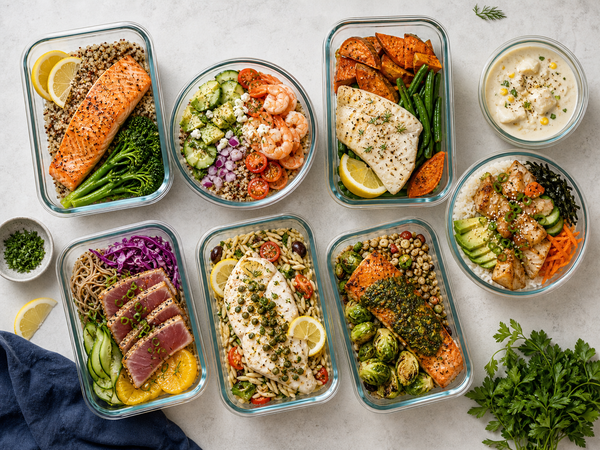
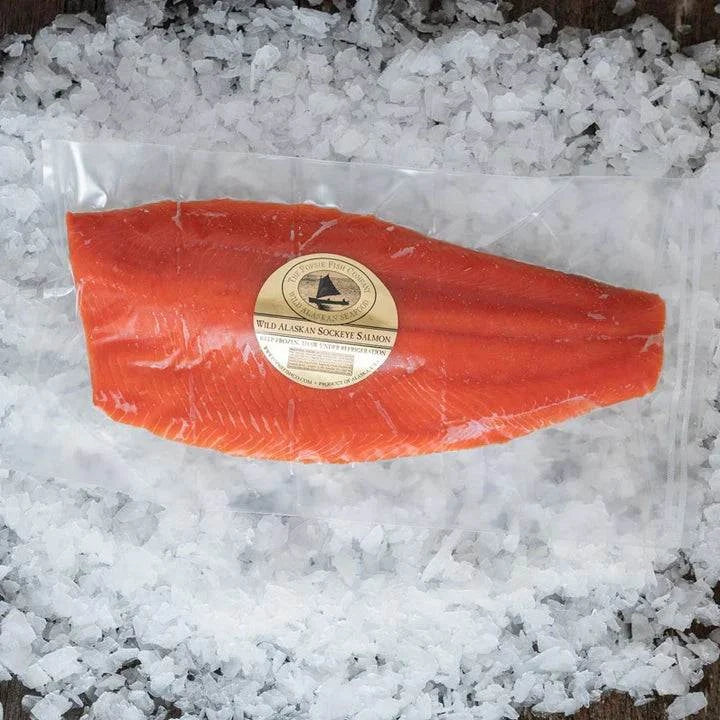
Order wild-caught salmon shipped straight from our family's Bristol Bay setnet — wild Alaskan sockeye, hand-caught and flash-frozen at peak freshness, cut your way: pre-portioned 6oz fillets for fast weeknight meals, or whole 1–1.5 lb sides for entertaining. Packed with 2,100mg of omega-3 benefits per serving — nature's heart-healthy superfood.
Our wild-caught Sockeye Salmon represents the finest that Bristol Bay has to offer. This vibrant, deep-red fish comes from one of the world's most pristine and sustainably managed fisheries, hand-caught using traditional setnet methods that have been perfected by Alaska's family fishermen for generations. Every cut is flash-frozen within hours of harvest, locking in the exceptional health benefits of wild salmon — 2,100mg of omega-3 richness, bright color, and delicate flavor that grocery-store salmon simply cannot match. Learn more about why wild-caught outperforms farm-raised alternatives in every meaningful way.
Sockeye's firm, oil-rich flesh makes it the gold standard for grilling, baking, and pan-searing — delivering restaurant-quality results in your home kitchen. Since 1987, Popsie Fish Co has partnered directly with our family fishermen in Bristol Bay's most respected hand-catching crews, ensuring that every cut meets our rigorous freshness and quality standards. MSC-certified and sustainably harvested, you can feel confident feeding this pristine Alaska treasure to your family while supporting regenerative fishing practices.
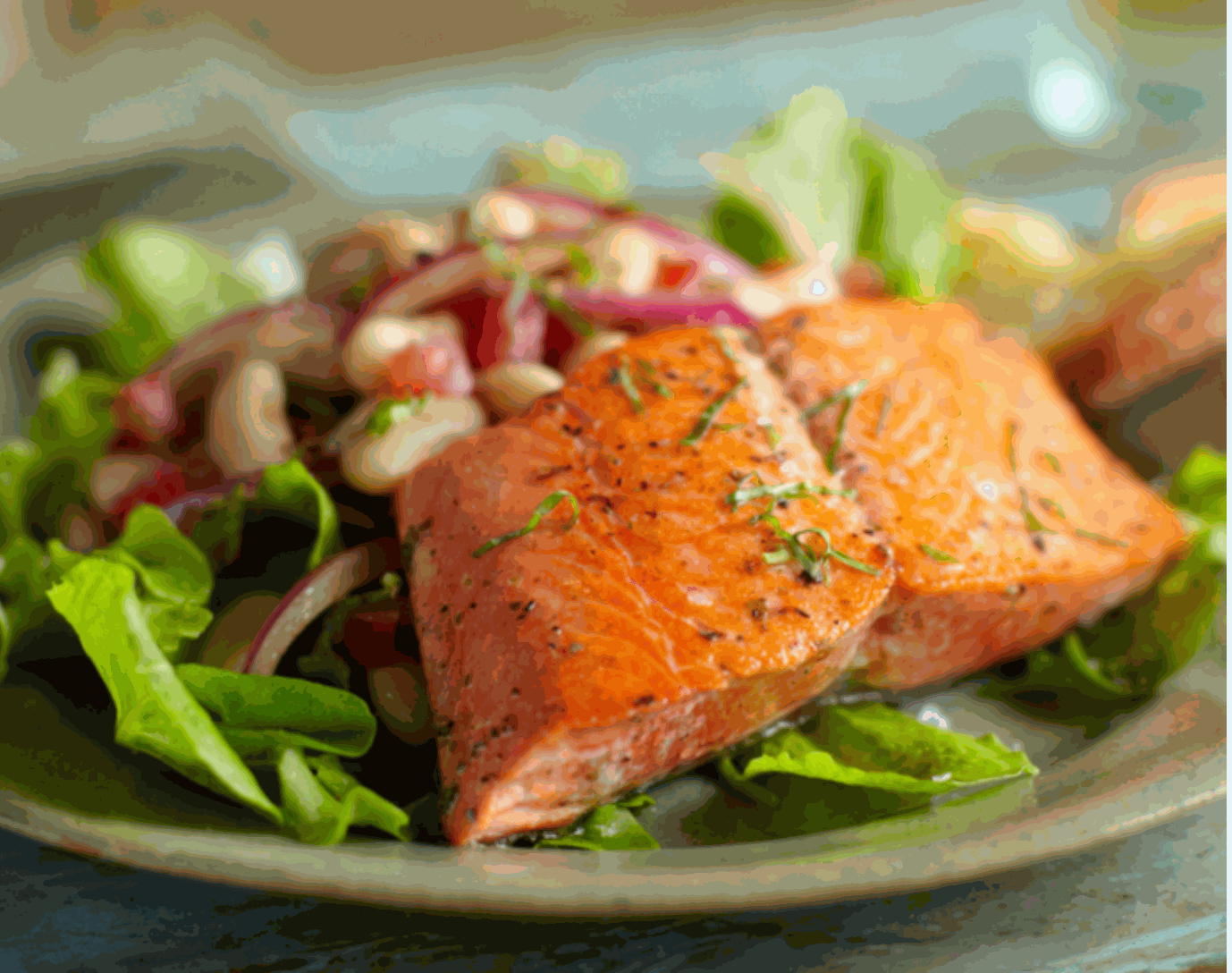
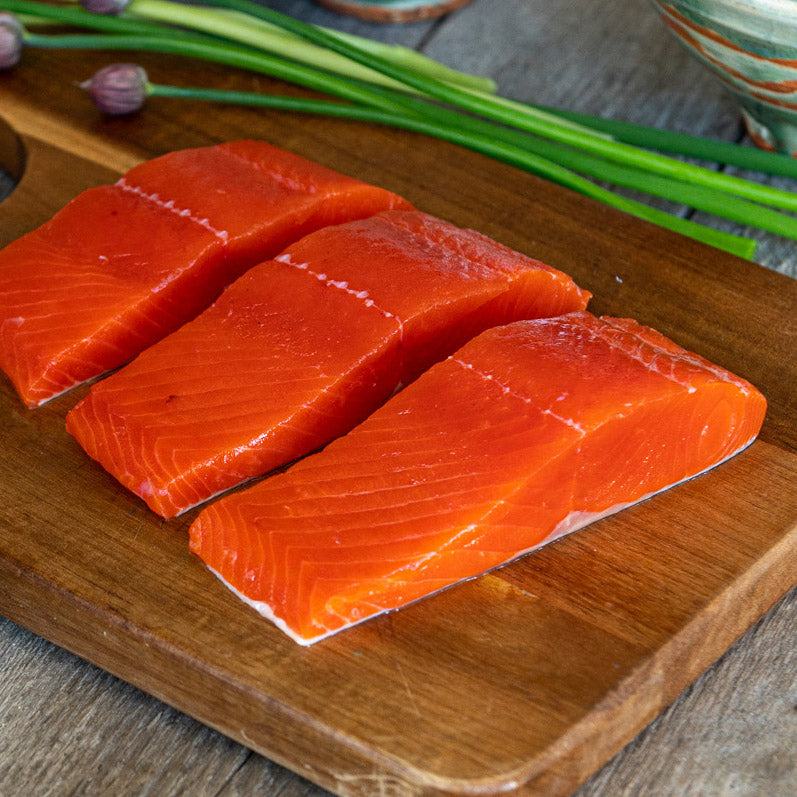
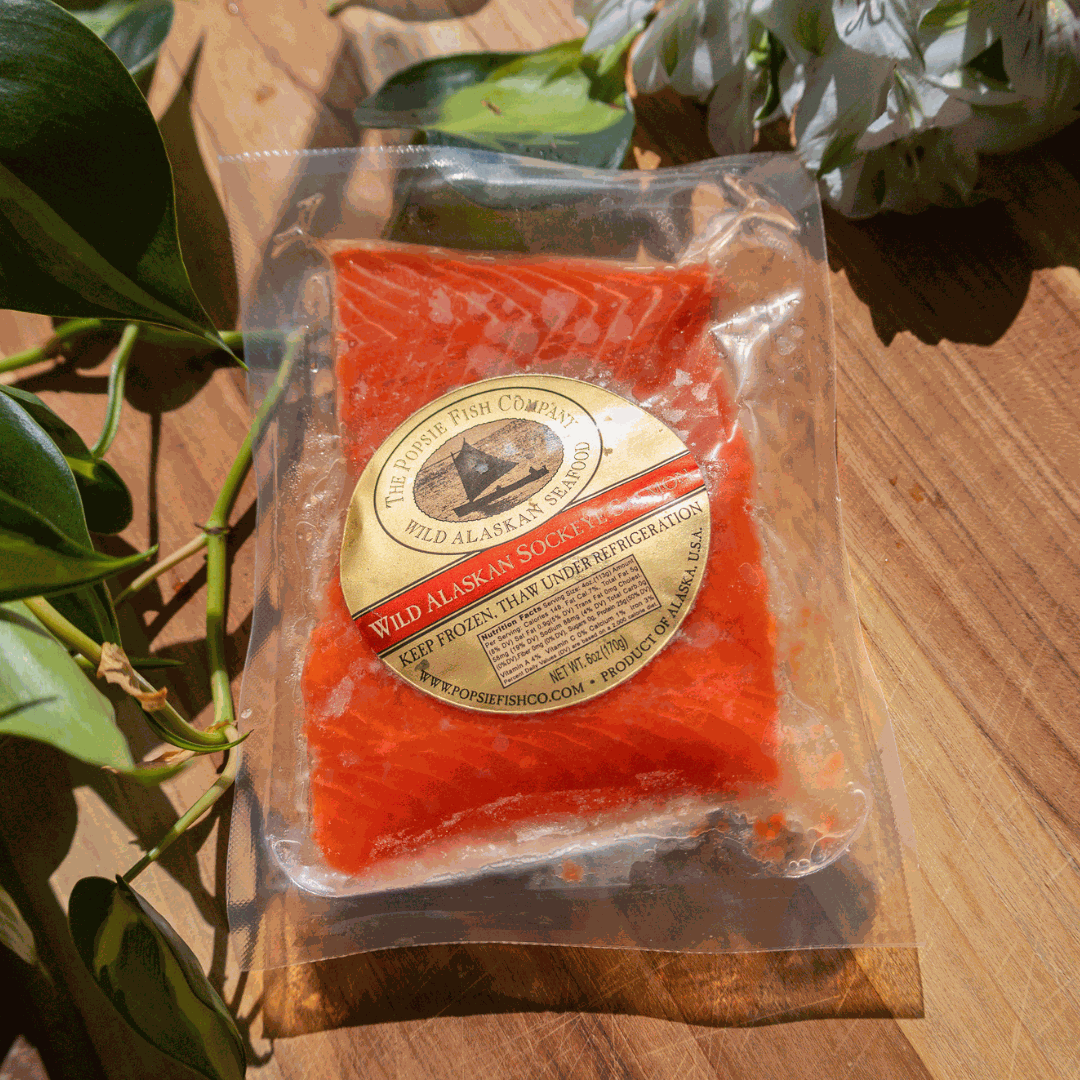
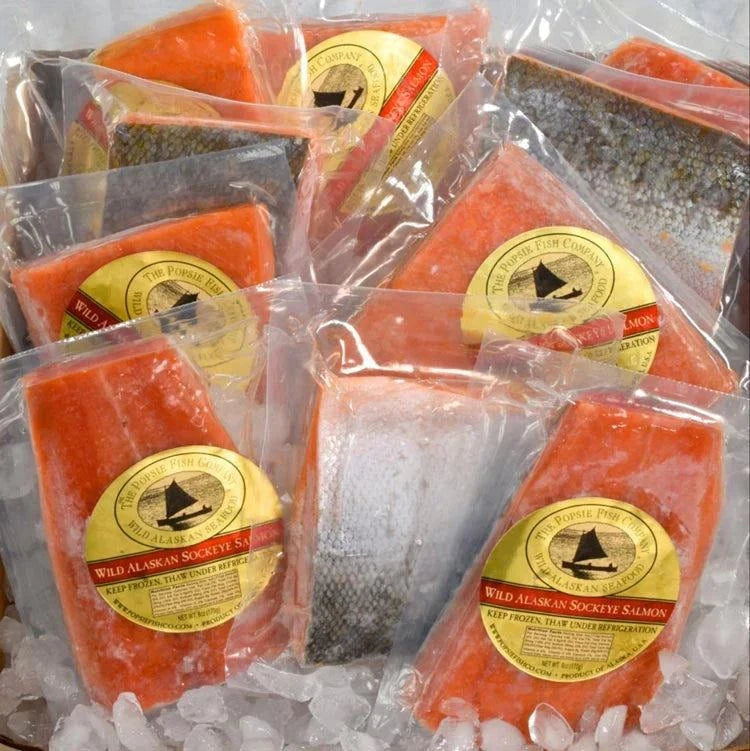
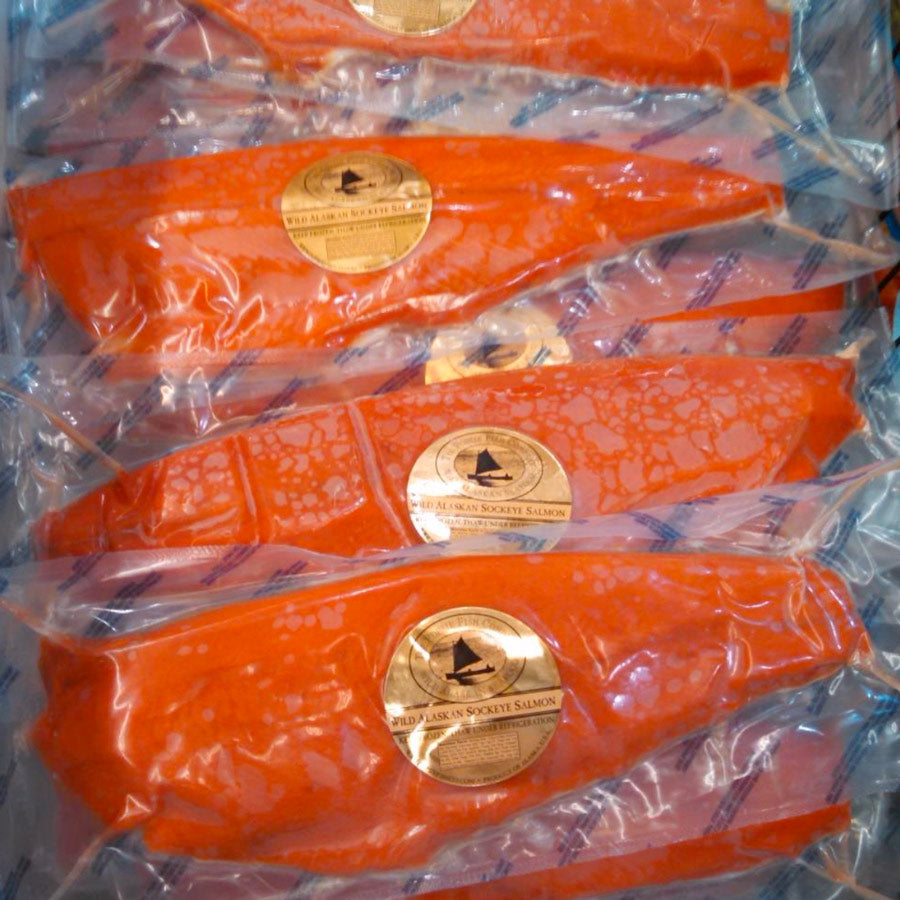
Two ways to bring it home. Pre-portioned 6oz filets are boneless, skin-on, and individually vacuum-sealed — pull exactly what you need from the freezer and have dinner searing in minutes. Whole side fillets, 1–1.5lb each, hand you the controls: portion them your way, sear a showstopper for two, or lay a full fillet across a cedar plank for a centerpiece that owns the table. Same hand-caught Bristol Bay sockeye, same buttery-rich flesh — you just pick the cut that fits the night.
Nutritional Information
Nutrient
Per Serving
Calories
250
Protein
34g
Total Fat
11g
Omega-3 (EPA+DHA)
2,100mg
Cholesterol
85mg
Sodium
75mg
Vitamin D
570 IU
Selenium
36mcg
Sourcing & Sustainability
Bristol Bay is the world's largest sockeye fishery, managed for sustainability with strict catch limits that protect this invaluable resource for future generations. Our sustainable fishing practices use traditional setnet hand-catching methods that minimize bycatch and environmental impact. Every fish is handled with care and flash-frozen within hours, preserving peak nutrition and flavor from Alaska's pristine cold waters. Learn our family's story and the 30-plus-year partnership with Bristol Bay fishermen that makes this quality possible.
How to Prepare
However you cut it, sockeye's firm, oil-rich flesh delivers restaurant results in your home kitchen. 6oz filets cook fast and even — 8–12 minutes, pan to plate, made for weeknights. Whole fillets are built for showing off: cedar-plank grilling, herb-crusted baking, or a simple butter-and-lemon pan-sear, with the skin-on side shielding the delicate flesh as it cooks. Let whole fillets rest at room temperature 15 minutes before cooking for even results. Our complete cooking guide covers thawing, pan-searing, grilling, and baking for both cuts. Pro tip: score the skin in a crosshatch before grilling — it stops curling and plates a cleaner presentation.
Q: Portions or whole fillets — which should I choose?
Both are the same Bristol Bay sockeye, boneless and skin-on. Choose 6oz portions for fast, no-prep weeknight meals and easy freezer rationing. Choose whole 1–1.5lb fillets when you want control over portion size or a centerpiece for entertaining — cedar plank, whole-roasted, or sliced your way.
Q: What's the difference between sockeye and other salmon species?
Sockeye has the deepest red color, richest flavor, and highest omega-3 content. The firm flesh and oil-rich composition make it ideal for grilling. Check our wild vs. farmed guide for more comparisons.
Q: How long does wild-caught salmon last in the freezer?
Properly frozen, our sockeye salmon maintains quality for 12-18 months. For best flavor and nutrition, consume within 6 months. Check our FAQ for storage details.
Q: Is your salmon sashimi-grade?
Our salmon is premium-grade flash-frozen, but not designated sashimi-grade. We recommend cooking it for food safety. Ask your Popsie specialist if raw preparations interest you.
Q: What cooking method do you recommend?
Grilling is our top recommendation for showcasing sockeye's rich flavor and firm texture. Pan-searing is excellent for weeknights. Our preparation tips cover all methods with timing.
Q: How many pieces are in a box?
It depends on your cut and box size. A 5lb portions box holds about 12 individually-sealed 6oz filets; a 20lb box, about 48. Whole side fillets run 1–1.5lb each, so a 10lb fillet box is roughly 7–10 fillets. Exact counts vary slightly with the natural size of each fish.
Q: Where exactly in Bristol Bay is the salmon caught?
Our sockeye come from the Naknek, Kvichak, and Ugashik Rivers, the heart of Bristol Bay. These cold, pristine waters produce the finest sockeye in the world. Learn about sustainable practices in these legendary fisheries.
Q: Can I thaw and refreeze?
We recommend against refreezing after thawing. Plan your meals and thaw only what you need. Proper rotation ensures you always have fresh product.
Build Your Custom Box
Mix and match our premium wild-caught selections to create your perfect seafood experience. Combine your sockeye — portions or whole fillets — with halibut portions and other varieties. Browse our complete collection.
Order Wild Alaskan Salmon Online
Ready to buy sockeye salmon straight from the source? Popsie makes it easy to order wild Alaskan salmon online and have it delivered to your door, flash-frozen and packed in dry ice. Pick your box size above and your order ships free — no subscription required. Whether you want to order salmon online for quick weeknight dinners or stock the freezer for the season, you’re buying directly from our Bristol Bay fishing family, not a grocery-store middleman. First time buying fish online? Our fisherman-written guide to buying wild salmon online shows you how to compare sellers, decode labels, and spot genuine quality.
Family fishermen since 1987. Hand-caught from pristine Bristol Bay. Flash-frozen at peak freshness. Sustainably sourced.
Popsie is amazing! The fish we got (wild sockeye) is delicious, perfectly portioned, and packaged exactly as I like: you can easily thaw the number of portions you want for a meal without any wast. And their customer service is 5 stars all the way! Couldn't be happier with every aspect of shopping with them and they'll be my go to online fish monger from now on.
As a repeating customer I appreciate the quality of the salmon I receive and the product arriving in great shape on my end. The whole process dealing with them is exceptional. I would and have recommended there fish to all my friends.
Thank you,
Dave
I placed my order on Sunday night and the salmon box reached my doorstep fresh and frozen by Wednesday afternoon. It's so great to get fresh Alaska goodness in central PA. The salmon is as good as it gets--delicious, well cut, well wrapped. Thank you!
The packaging left a lot to be desired. One box of fish had begun to thaw and we hope that it will be okay to eat. The temperatures have been in the high 90s and dry ice should have been included in the box.
Even though we have not tried this box of salmon, in the past, the fish have been outstanding.
When the fish first came there were many packages unfrozen due to the heat and UPS delivering this package at the end of the day instead of the first. I emailed the company as instructed but did not get a response. When I left a negative review they contacted me and explained that the new system was directing their emails elsewhere than their inbox. They handled the problem quickly and efficiently replacing the product at no charge. We do this every year around salmon season, ordering enough salmon for the year. We will for sure use this company next year in June. Thank you for everything you did!
Beautiful red flesh. Virtually no smell but delicious perfect salmon flavor. Most nutritionist, doctors and healthcare professionals are recommending salmon two to three times a week for those over 65. Bought some store salmon that was kind of orange color with a strange flavor. What a difference between a wild caught portioned salmon fillet and what is offered in our supermarkets.
I’ve ordered salmon from Popsie Fish Company multiple times and have been consistently impressed. It's firmer than the frozen wild-caught salmon I buy at the supermarket, plus I think it tastes richer. You can tell the difference already when you're rinsing it under the faucet.
I also love that Popsie is a family-owned fishing operation in Bristol Bay, not a wholesaler sourcing fish from who-knows-where.
It costs a little more to catch and deliver fish the way that Popsie does, but I think it’s worth it. If you’re looking for a reliable source of wild-caught Alaskan salmon, I can confidently recommend Popsie Fish Company.
Store owner replied:
Thank you so much for the kind words! We are so glad that you are loving the Salmon.
Enjoy!
Myrna
My order of salmon arrived one day after I placed the order. It was perfectly frozen. This is my 3rd order of Popsie's wild Alaskaan sockeye salmon. It is the tastiest salmon that I have ever eaten. I highly recommend it to anyone. It is especially good when coated with Panko flakes and fried.
Robert Lavigne
Ann Arbor, Michigan
The freezer package was perfect to keep it frozen during shipping, the taste is the best tasting salmon I ever had it taste fresh you can definitely tell the difference from the farm raised salmon we tend to eat everyday . I want what’s fresh and best for means my family ! I love it !
Just got my wild-caught Alaskan sockeye salmon from Popsie Fish Co and I’m really happy with how it arrived. Packaging was solid, everything stayed frozen, and the portions are super convenient. The salmon looks really fresh and I love the color. I’m excited to cook it!
Store owner replied:
Thank you for the fantastic video review! We’re so glad you enjoyed the Sockeye Salmon. Your support means a lot to all of us at Popsie Fish Co.!
Community / Share Focus
I try to eat salmon regularly but it is hard to find quality salmon for a reasonable price. I love that this a family-owned company that catches their salmon in Bristol Bay, Alaska, and flash freezes it within hours—so you’re getting peak freshness and preserving all those important nutrients.
Shipping was also a great experience. My order arrived just a couple of days after placing it, and it came packaged in a box with dry ice that was still fully frozen. Absolutely delicious!
Store owner replied:
Thank you for the incredible video! Your meal looked amazing, and we’re so glad you enjoyed the Sockeye Salmon. From all of us at Popsie Fish Co., we appreciate your support!
The order i got is nicely packed!! I love that each portion is individually wrapped. It makes it so much easier to store in the freezer. I’m gonna have an easier time making my meals! It was also delivered the next day so i was very happy about that!
Store owner replied:
Thank you so much for the 5 star video review!
We are glad that you are happy with the Salmon.
Enjoy!
This Salmon is delicious! It arrived so quickly and was packed perfectly. The box was frozen even on a warm day. The quality of the fish is really excellent! The portion of each fillet makes meal prep so simple.
Store owner replied:
Thank you for sharing such a great video! Seeing customers enjoy our Sockeye Salmon is the best part of what we do. We truly appreciate your support of Popsie Fish Co.!
this has been the best experience that I have had. I’ve never tasted fish any fresh than this in my entire life. it’s very special to me that my fish is coming straight from the source of the fisherman to my door, I don’t think there’s anything more perfect than that. Thank you all for your hard work. 🩷
Store owner replied:
Wow — thank you for sharing such a great video! Seeing our Sockeye Salmon in your kitchen is the best part of what we do. We truly appreciate your support!
Phenomenal product! So fresh and delicious. I love the fact it's straight from the catch to the table without the "middle man" grocery stores.
Store owner replied:
Thank you for the fantastic video review! We’re so glad you’re enjoying the Sockeye Salmon. From all of us at Popsie Fish Co., we truly appreciate your support!
I was so excited to receive my order of wild-caught Alaskan Sockeye salmon from Popsie Fish Company and I’m really impressed so far. The delivery was fast, and everything arrived frozen and securely packaged, which gave me confidence in the quality right away. I love that it comes in convenient 6 ounce individual portions with a total of 5 pounds of salmon, making it perfect for easy meal planning. Everything looks fresh and high quality, and I can’t wait to try it!
Store owner replied:
Thank you so much for the video review!! We appreciate your feedback and are glad that you are happy with your Salmon.
Enjoy!!
I recently tried getting wild-caught sockeye salmon delivered from Alaska through Popsie Fish Co, and it was such a smooth experience. The box arrived with everything perfectly frozen, and the salmon looked fres.
I like is how each of the 12 portions is individually vacuum-sealed. It makes it so easy to just grab exactly what I need for dinner.
It’s been a convenient way to keep high-quality protein in my freezer. I’d definitely recommend this product for others.
Store owner replied:
Wow — thank you for the amazing video! We love seeing our Sockeye Salmon in your kitchen. Everyone at Popsie Fish Co. truly appreciates your support and you sharing your experience!
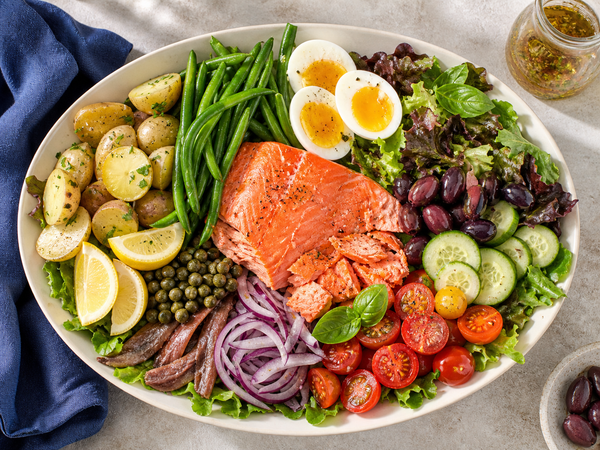
I'm a repeat customer on my second 20 pounds of Wild-Caught Alaskan Sockeye Salmon from Popsi, and I absolutely love it. There is no comparison to the fatty salmon from the grocery store. Whether grilled on a cedar plank with a dill dijonnaise or baked and broken up into a pasta salad, it never disappoints. I highly recommend it, you won't be disappointed.
Store owner replied:
Thank you for the great review! We’re thrilled you enjoyed the flavor and truly appreciate your support. Looking forward to serving you again soon!
The pictures are amazing!
Store owner replied:
Thank you for the great review! We’re thrilled you enjoyed the flavor and truly appreciate your support. Looking forward to serving you again soon!
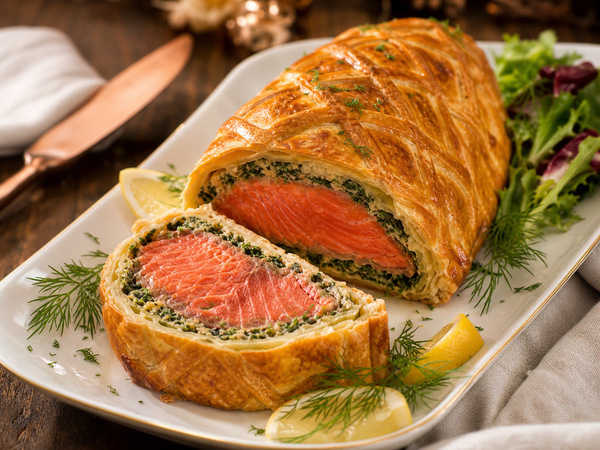
A salmon en Croûte made by my son who I bought the salmon for.
Store owner replied:
Thank you for the 5-star review! We’re so glad you enjoyed your order and appreciate you taking the time to share your Croute! It looks amazing! We hope to serve you again soon!
Store owner replied:
Thank you for the great review! We’re glad your order arrived quickly and that you enjoyed the salmon. We appreciate your support!
Salmon arrived promptly and is fresh and delicious.
Store owner replied:
Thank you for the 5 stars! We’re so glad you enjoyed the Salmon and appreciate you taking the time to share your feedback. We hope to serve you again soon!
I have really enjoyed having my Salmon delivered frozen to my front door. The quality is excellent, and they do exactly as they promise. Getting my Omega 3’s are very important to me, and Popsie has made that possible. Thank you for your wonderful company!!!
I was very pleased and impressed with the customer service. I got a notification that there was an unavoidable weather-related delay in receiving my order and was quick to get notification when my order was able to be sent. It was frozen solid upon receipt and well packed. The salmon was DELICIOUS and worth the weight. I will definitely be ordering from Popsie again!
Store owner replied:
Thank you so much for the 5 stars! We are so glad that you are happy with your Salmon order and that you have a good Customer experience!
Frequently Asked Questions
What makes Bristol Bay sockeye salmon superior?
Bristol Bay's cold, pristine glacier-fed waters create ideal conditions for exceptional wild salmon. Unlike farmed salmon, wild sockeye eat a natural diet of krill and zooplankton, giving them their rich red color, firm texture, and high levels of brain-healthy omega-3 fatty acids.
Is your sockeye salmon sashimi-grade and safe to eat raw?
"Sushi-grade" is not a government-regulated term for fish. What matters is how the fish is handled and frozen. Our sockeye is flash-frozen right after harvest to below the FDA's recommended freezing standards for raw consumption, the same standard sushi restaurants rely on. Thaw it under refrigeration, keep it cold, and use it within 24 hours for raw preparations. Prefer it cooked? 145°F internal temperature is the FDA's guidance.
What's the best cooking method for wild sockeye salmon?
Grilling is our top recommendation for showcasing sockeye's rich flavor and firm texture. Pan-searing skin-side down in butter or oil for a crispy crust is another favorite. Because wild salmon is leaner than farmed, many cooks pull it at medium (around 125°F-130°F) to keep it from drying out. The FDA's guidance for cooked fish is 145°F.
Are there any pin bones in your salmon?
Our salmon is hand-trimmed and deboned by our processors, whether you order 6oz portions or whole fillets. However, because this is a natural wild product, a tiny pin bone can occasionally remain. We recommend running your fingers over the flesh before cooking and using tweezers to remove any if found.
Where can I buy wild-caught salmon online?
You can order wild-caught Alaskan sockeye salmon directly from Popsie Fish Co and have it shipped to your door, flash-frozen and packed in dry ice. We catch it ourselves in Bristol Bay, Alaska, so you're buying straight from the fishing family, with no middleman and no grocery-store thaw-and-refreeze. Choose 6oz portions or whole fillets, and shipping is free on every box.
Is wild-caught salmon better than farmed salmon?
Wild-caught sockeye eats a natural diet of krill and zooplankton in the cold waters of Bristol Bay, which gives it a deep-red color, firm texture, and high omega-3 content. Farmed salmon is raised in pens on processed feed and is typically softer, fattier, and paler. Our wild sockeye is never given antibiotics, dyes, or feed.
Can't find wild-caught salmon near you?
You don't need a fish market nearby. We ship wild-caught Alaskan sockeye salmon anywhere in the US, packed in dry ice so it arrives at your door frozen solid, usually within 1 to 2 days. For most customers, that's fresher than the "fresh" salmon at the local grocery counter, which is often previously frozen, thawed for display, and days from the water. Shipping is free on every box.
What is the difference between fillets and portions?
Portions are pre-cut, single-serving blocks (typically 6oz) vacuum-sealed for individual convenience. Full fillets are whole sides of the salmon (typically 1 to 1.5 lbs) which are ideal for baking whole, feeding families, or slicing into custom sizes yourself.
How do I cook a full 1.5 lb sockeye fillet?
Baking is the easiest method. Preheat your oven to 375°F, place the thawed fillet skin-side down on a lined tray, season with salt, pepper, and lemon, and bake for 18 to 22 minutes. It is cooked when the thickest part flakes under a fork.
Can I combine different fish in one order?
Yes. You can add any available fish species, cuts, and box sizes to the same order. Each selection keeps the price shown for that specific box-size variant, and your cart and checkout will show any discount that is actually applied.
How is the seafood packaged and shipped?
All portions are flash-frozen, vacuum-sealed, and packed in an insulated shipping box with a generous amount of dry ice. We guarantee your seafood will arrive frozen solid to your doorstep, even in the middle of summer.
How long can I store this fish in my freezer?
Because our seafood is vacuum-sealed and flash-frozen at peak freshness, it will maintain premium quality in a standard home freezer for 12 to 18 months. Before refrigerator thawing, open or remove the vacuum packaging, place the fish in a shallow covered container, keep it refrigerated, and follow package or processor instructions.
Can I thaw and refreeze the fish?
We strongly recommend against refreezing seafood after it has been completely thawed, as this degrades the delicate cell structure and harms the texture and flavor. We recommend thawing only the individual portions you plan to eat within 48 hours, and within 24 hours if you are serving the fish raw.
Choosing a selection results in a full page refresh.