
Wild Caught Alaskan Sockeye Salmon
Wild Caught Alaskan Sockeye Salmon
- Flash-Frozen at Peak Freshness
- Wild-Caught, Never Farmed
- Restaurant-Quality Sockeye
Choose Your Cut:
Choose Your Box Size:
Couldn't load pickup availability
Wild, traceable, and third-party certified
Our Bristol Bay sockeye comes from the world's largest MSC-certified sustainable salmon fishery. Alaska's fisheries are constitutionally managed for long-term abundance — strict catch limits, sex-and-size escapement targets, and rigorous third-party assessment.
- MSC Certified Marine Stewardship Council
- Alaska RFM Responsibly Managed Fishery
- Bristol Bay World's largest sockeye fishery
- Hand-Caught Traditional set-net method
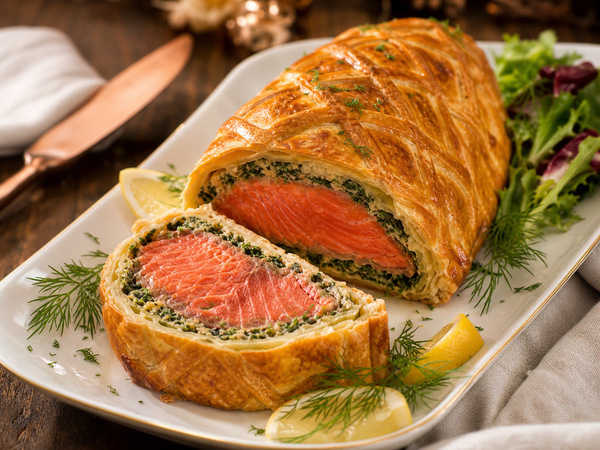
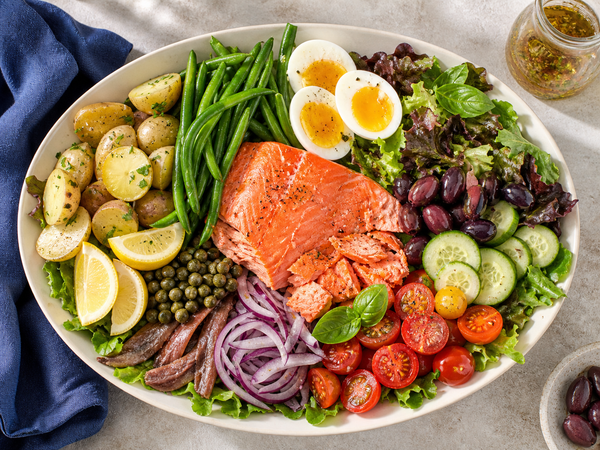
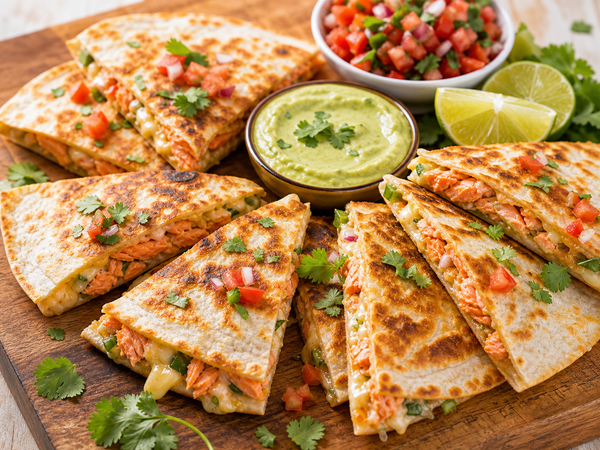
Wild Sockeye recipes from our kitchen
See all recipes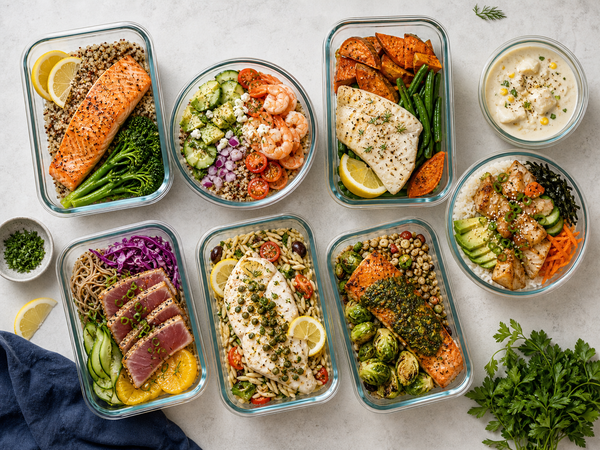
- Free Shipping Nationwide
- Top Seller & Customer Favorite
- Sustainably Fished in Bristol Bay, Alaska
Order wild-caught salmon shipped straight from our family's Bristol Bay setnet — wild Alaskan sockeye, hand-caught and flash-frozen at peak freshness, cut your way: pre-portioned 6oz fillets for fast weeknight meals, or whole 1–1.5 lb sides for entertaining. Packed with 2,100mg of omega-3 benefits per serving — nature's heart-healthy superfood.
Key Specifications
| Spec | Detail |
|---|---|
| Species | Sockeye Salmon |
| Source | Bristol Bay, Alaska |
| Catch Method | Setnet Hand-Caught |
| Weight/Size | ~6oz per portion, or 1–1.5lb per whole fillet |
| Per Box | 12–48 6oz portions, or 7–20 whole fillets |
| Grade | Premium |
| Omega-3 per Serving | 2,100mg EPA+DHA |
| Protein per Serving | 34g |
| Certifications | MSC, Wild-Caught |
About This Product
New to this fish? Read our complete guide to wild sockeye salmon for everything on flavor, nutrition, sourcing, and how to cook it.
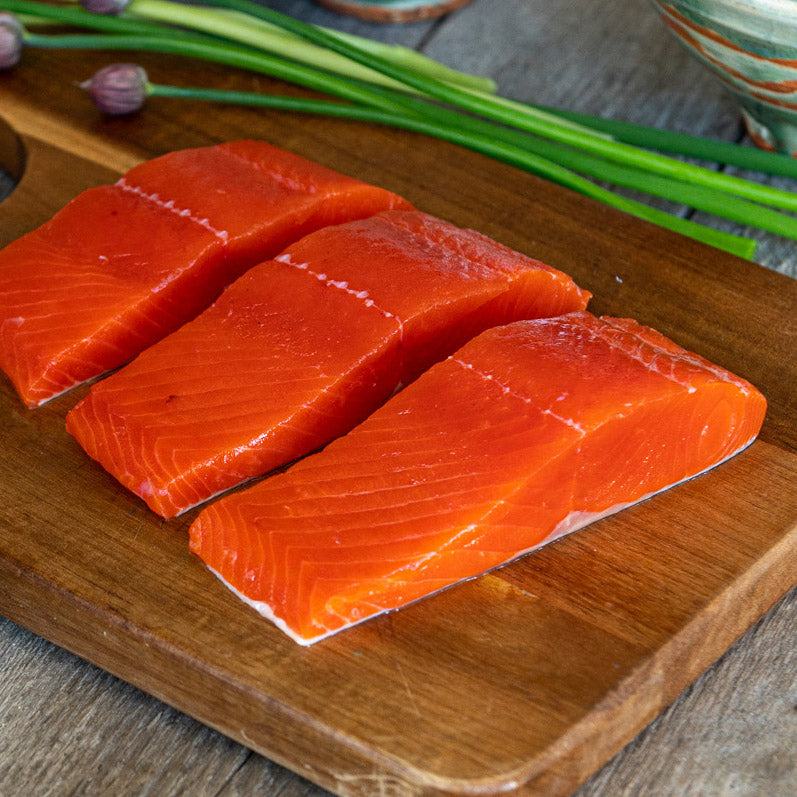
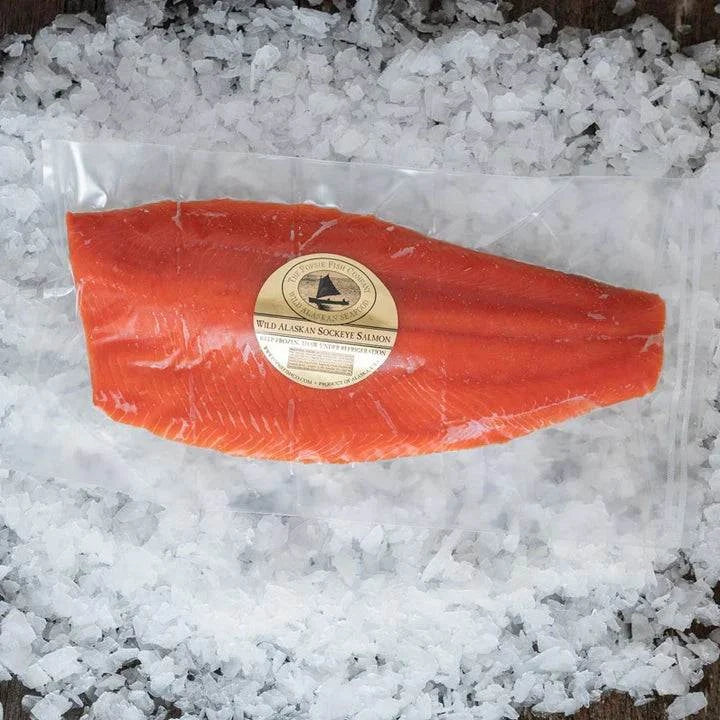
Our wild-caught Sockeye Salmon represents the finest that Bristol Bay has to offer. This vibrant, deep-red fish comes from one of the world's most pristine and sustainably managed fisheries, hand-caught using traditional setnet methods that have been perfected by Alaska's family fishermen for generations. Every cut is flash-frozen within hours of harvest, locking in the exceptional health benefits of wild salmon — 2,100mg of omega-3 richness, bright color, and delicate flavor that grocery-store salmon simply cannot match. Learn more about why wild-caught outperforms farm-raised alternatives in every meaningful way.
Sockeye's firm, oil-rich flesh makes it the gold standard for grilling, baking, and pan-searing — delivering restaurant-quality results in your home kitchen. Since 1987, Popsie Fish Co has partnered directly with our family fishermen in Bristol Bay's most respected hand-catching crews, ensuring that every cut meets our rigorous freshness and quality standards. MSC-certified and sustainably harvested, you can feel confident feeding this pristine Alaska treasure to your family while supporting regenerative fishing practices.
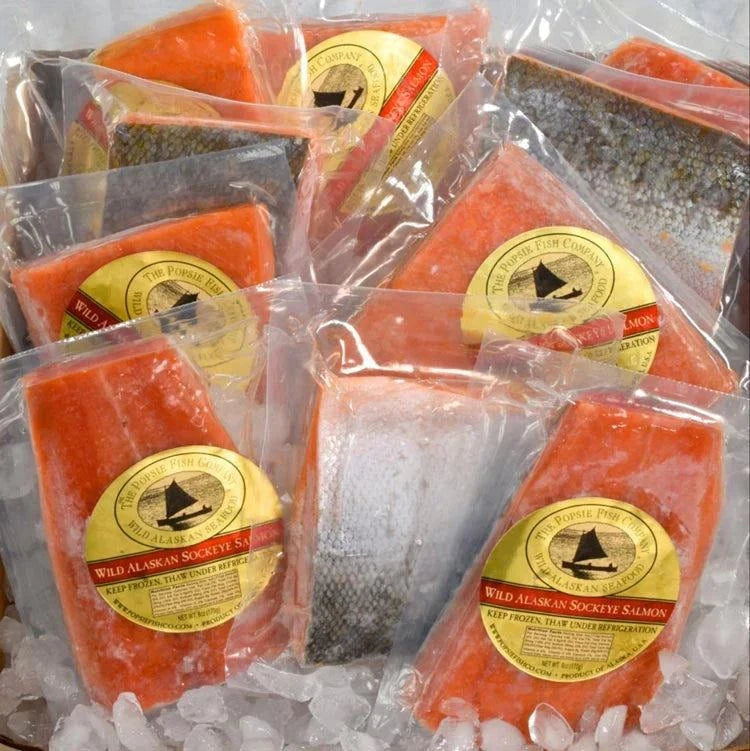
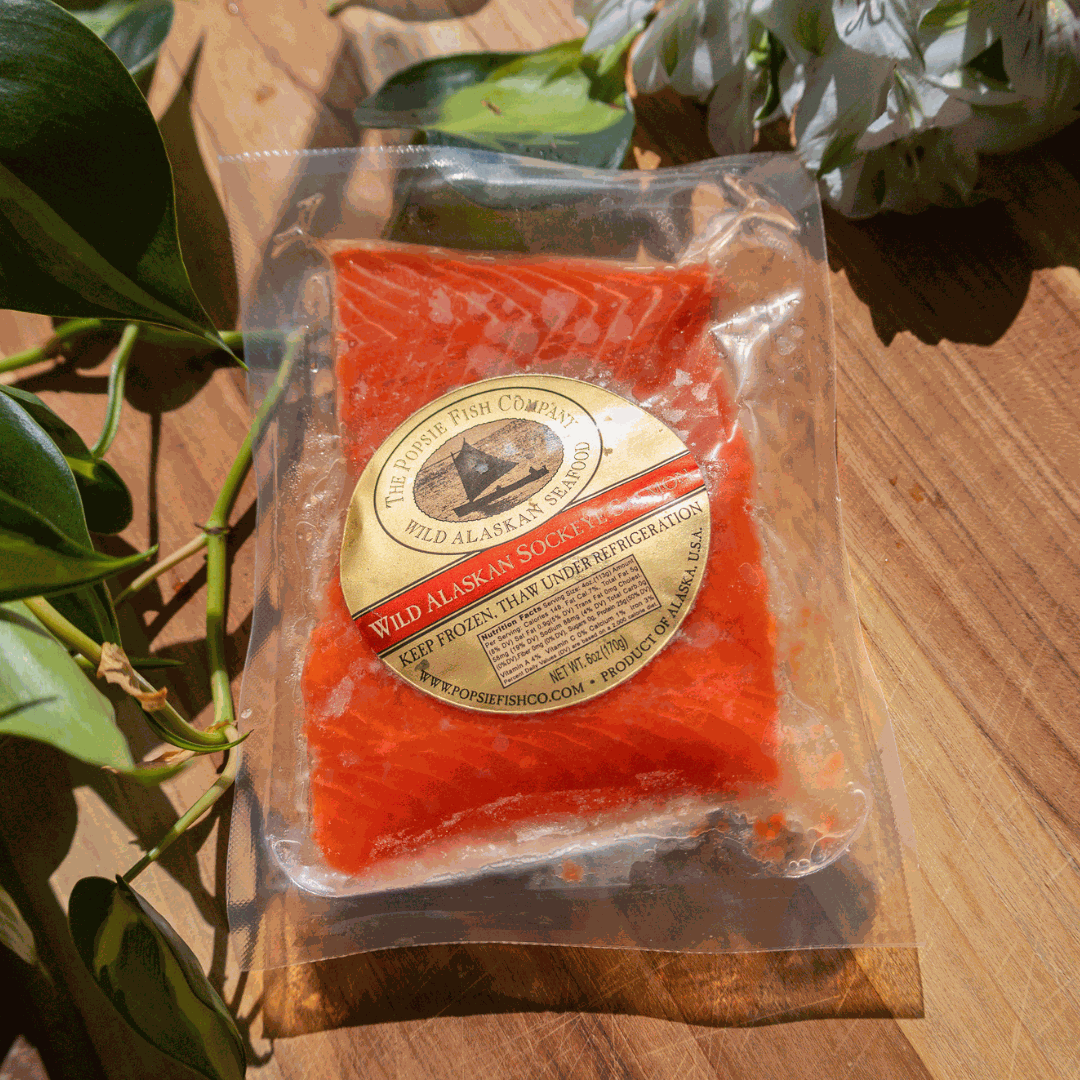
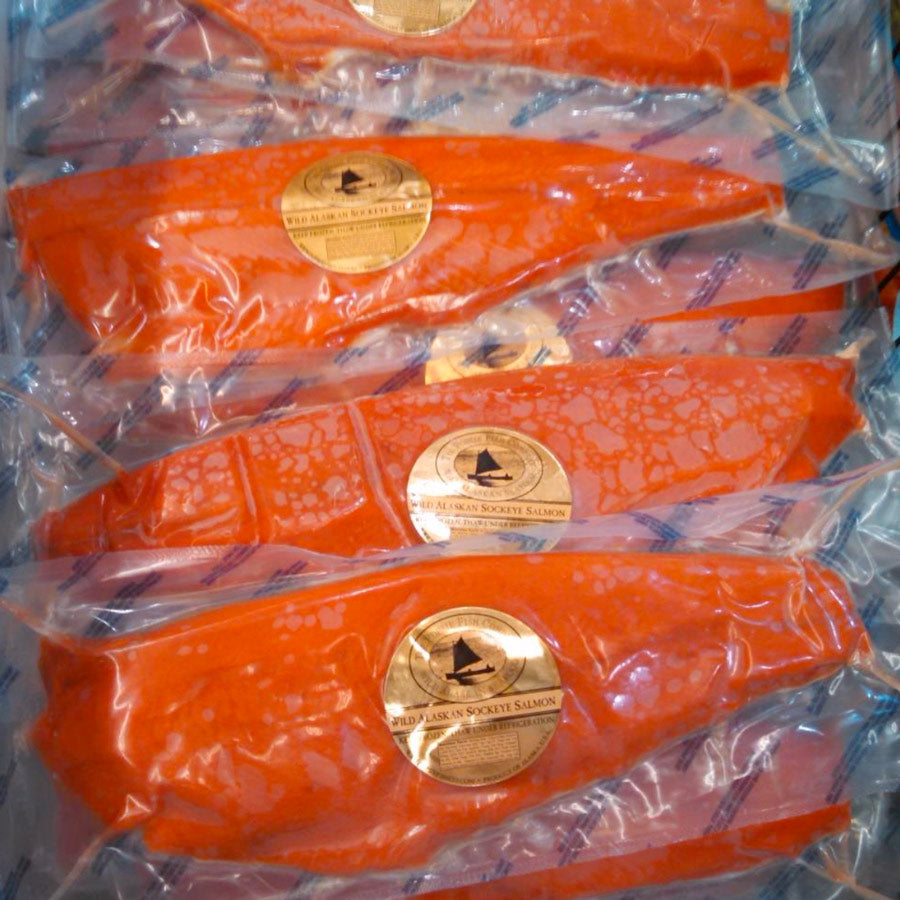
Two ways to bring it home. Pre-portioned 6oz filets are boneless, skin-on, and individually vacuum-sealed — pull exactly what you need from the freezer and have dinner searing in minutes. Whole side fillets, 1–1.5lb each, hand you the controls: portion them your way, sear a showstopper for two, or lay a full fillet across a cedar plank for a centerpiece that owns the table. Same hand-caught Bristol Bay sockeye, same buttery-rich flesh — you just pick the cut that fits the night.
Nutritional Information
| Nutrient | Per Serving |
|---|---|
| Calories | 250 |
| Protein | 34g |
| Total Fat | 11g |
| Omega-3 (EPA+DHA) | 2,100mg |
| Cholesterol | 85mg |
| Sodium | 75mg |
| Vitamin D | 570 IU |
| Selenium | 36mcg |
Sourcing & Sustainability
Bristol Bay is the world's largest sockeye fishery, managed for sustainability with strict catch limits that protect this invaluable resource for future generations. Our sustainable fishing practices use traditional setnet hand-catching methods that minimize bycatch and environmental impact. Every fish is handled with care and flash-frozen within hours, preserving peak nutrition and flavor from Alaska's pristine cold waters. Learn our family's story and the 30-plus-year partnership with Bristol Bay fishermen that makes this quality possible.
How to Prepare
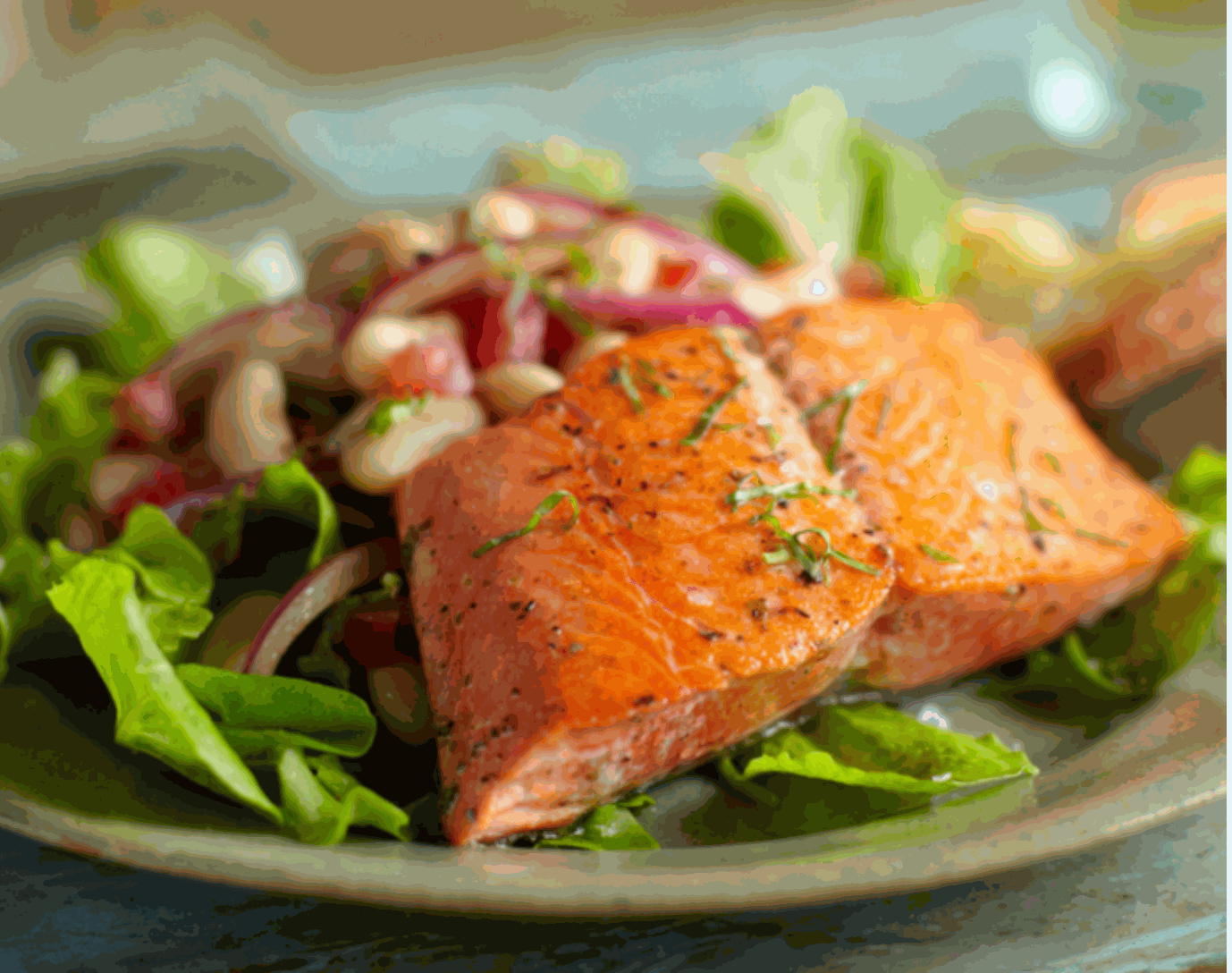
However you cut it, sockeye's firm, oil-rich flesh delivers restaurant results in your home kitchen. 6oz filets cook fast and even — 8–12 minutes, pan to plate, made for weeknights. Whole fillets are built for showing off: cedar-plank grilling, herb-crusted baking, or a simple butter-and-lemon pan-sear, with the skin-on side shielding the delicate flesh as it cooks. Let whole fillets rest at room temperature 15 minutes before cooking for even results. Our complete cooking guide covers thawing, pan-searing, grilling, and baking for both cuts. Pro tip: score the skin in a crosshatch before grilling — it stops curling and plates a cleaner presentation.
Recipe Ideas
Classic pan-sear with bright citrus finish
Asian-inspired with rice and vegetables
Restaurant-quality in 20 minutes
Sushi at home without the rolling
Sheet pan dinner with minimal cleanup
Elegant enough for dinner guests
Frequently Asked Questions
Q: Portions or whole fillets — which should I choose?
Both are the same Bristol Bay sockeye, boneless and skin-on. Choose 6oz portions for fast, no-prep weeknight meals and easy freezer rationing. Choose whole 1–1.5lb fillets when you want control over portion size or a centerpiece for entertaining — cedar plank, whole-roasted, or sliced your way.
Q: What's the difference between sockeye and other salmon species?
Sockeye has the deepest red color, richest flavor, and highest omega-3 content. The firm flesh and oil-rich composition make it ideal for grilling. Check our wild vs. farmed guide for more comparisons.
Q: How long does wild-caught salmon last in the freezer?
Properly frozen, our sockeye salmon maintains quality for 12-18 months. For best flavor and nutrition, consume within 6 months. Check our FAQ for storage details.
Q: Is your salmon sashimi-grade?
Our salmon is premium-grade flash-frozen, but not designated sashimi-grade. We recommend cooking it for food safety. Ask your Popsie specialist if raw preparations interest you.
Q: What cooking method do you recommend?
Grilling is our top recommendation for showcasing sockeye's rich flavor and firm texture. Pan-searing is excellent for weeknights. Our preparation tips cover all methods with timing.
Q: How many pieces are in a box?
It depends on your cut and box size. A 5lb portions box holds about 12 individually-sealed 6oz filets; a 20lb box, about 48. Whole side fillets run 1–1.5lb each, so a 10lb fillet box is roughly 7–10 fillets. Exact counts vary slightly with the natural size of each fish.
Q: Where exactly in Bristol Bay is the salmon caught?
Our sockeye come from the Naknek, Kvichak, and Ugashik Rivers, the heart of Bristol Bay. These cold, pristine waters produce the finest sockeye in the world. Learn about sustainable practices in these legendary fisheries.
Q: Can I thaw and refreeze?
We recommend against refreezing after thawing. Plan your meals and thaw only what you need. Proper rotation ensures you always have fresh product.
Build Your Custom Box
Mix and match our premium wild-caught selections to create your perfect seafood experience. Combine your sockeye — portions or whole fillets — with halibut portions and other varieties. Browse our complete collection.
Order Wild Alaskan Salmon Online
Ready to buy sockeye salmon straight from the source? Popsie makes it easy to order wild Alaskan salmon online and have it delivered to your door, flash-frozen and packed in dry ice. Pick your box size above and your order ships free — no subscription required. Whether you want to order salmon online for quick weeknight dinners or stock the freezer for the season, you’re buying directly from our Bristol Bay fishing family, not a grocery-store middleman.
Family fishermen since 1987. Hand-caught from pristine Bristol Bay. Flash-frozen at peak freshness. Sustainably sourced.
Frequently Asked Questions
What makes Bristol Bay sockeye salmon superior?
Bristol Bay's cold, pristine glacier-fed waters create ideal conditions for exceptional wild salmon. Unlike farmed salmon, wild sockeye eat a natural diet of krill and zooplankton, giving them their rich red color, firm texture, and high levels of brain-healthy omega-3 fatty acids.
Is your wild salmon sashimi-grade?
Our salmon is commercially caught, immediately bled, and flash-frozen at peak freshness to exceed FDA parasite-kill guidelines. However, we do not officially certify it as sashimi-grade. We recommend cooking it to an internal temperature of 145°F.
What's the best cooking method for wild sockeye salmon?
Grilling is our top recommendation for showcasing sockeye's rich flavor and firm texture. Pan-searing skin-side down in butter or oil for a crispy crust is another favorite. Because wild salmon is leaner than farmed, cook it to medium (around 125°F-130°F) to prevent it from drying out.
Are there any pin bones in your salmon?
Our salmon is hand-trimmed and deboned by our processors, whether you order 6oz portions or whole fillets. However, because this is a natural wild product, a tiny pin bone can occasionally remain. We recommend running your fingers over the flesh before cooking and using tweezers to remove any if found.
Where can I buy wild-caught salmon online?
You can order wild-caught Alaskan sockeye salmon directly from Popsie Fish Co and have it shipped to your door, flash-frozen and packed in dry ice. We catch it ourselves in Bristol Bay, Alaska, so you're buying straight from the fishing family — no middleman, no grocery-store thaw-and-refreeze. Choose 6oz portions or whole fillets, and shipping is free on every box.
Is wild-caught salmon better than farmed salmon?
Wild-caught sockeye eats a natural diet of krill and zooplankton in the cold waters of Bristol Bay, which gives it a deep-red color, firm texture, and high omega-3 content. Farmed salmon is raised in pens on processed feed and is typically softer, fattier, and paler. Our wild sockeye is never given antibiotics, dyes, or feed.
What is the difference between fillets and portions?
Portions are pre-cut, single-serving blocks (typically 6oz) vacuum-sealed for individual convenience. Full fillets are whole sides of the salmon (typically 1 to 1.5 lbs) which are ideal for baking whole, feeding families, or slicing into custom sizes yourself.
How do I cook a full 1.5 lb sockeye fillet?
Baking is the easiest method. Preheat your oven to 375°F, place the thawed fillet skin-side down on a lined tray, season with salt/pepper/lemon, and bake for 18-22 minutes. It is cooked when the thickest part flakes under a fork.
How do the mix-and-match discount tiers work?
Popsie operates on a 'buy more, save more' model based on total box weight. You can choose any combination of fish species and cuts. The price-per-pound drops automatically for every item in your cart as your total weight reaches the Starter (5 lb), Value (10 lb), Family (15 lb), and Freezer Pack (20 lb) thresholds.
How is the seafood packaged and shipped?
All portions are flash-frozen, vacuum-sealed, and packed in an insulated shipping box with a generous amount of dry ice. We guarantee your seafood will arrive frozen solid to your doorstep, even in the middle of summer.
How long can I store this fish in my freezer?
Because our seafood is vacuum-sealed and flash-frozen at peak freshness, it will maintain premium quality in a standard home freezer for 12 to 18 months. Once thawed in the refrigerator, it should be consumed within 2 to 3 days.
Can I thaw and refreeze the fish?
We strongly recommend against refreezing seafood after it has been completely thawed, as this degrades the delicate cell structure and harms the texture and flavor. We recommend thawing only the individual portions you plan to eat within 48 hours.